Iran's Supreme Leader Khamenei in Critical Condition
Mojtaba Khamenei has not been seen in public since taking power, and sources close to the government speak of his possible imminent 'martyrdom'.
Mojtaba Khamenei has not been seen in public since taking power, and sources close to the government speak of his possible imminent 'martyrdom'.
The third Supreme Leader of the Islamic Republic of Iran, Mojtaba Khamenei, is reportedly in extremely critical health and could die at any moment. This information, which is shaking the country's already unstable political scene, was published by the London-based news portal IranWire, citing two sources close to the administration of Iranian President Masoud Pezeshkian.
According to the Italian news agency ANSA, rumors about the Supreme Leader's poor health are intensively circulating at the highest levels of the regime, fueled by his complete absence from public life since he assumed leadership of the country.
Khamenei came to lead Iran after the U.S. carried out an attack on the compound of the then Supreme Leader on February 28, 2026. His father and other family members were killed in that attack. Since that pivotal date, Mojtaba Khamenei has not appeared in public even once, has not given a single speech, and the only communications attributed to him are letters published through official news agencies.
This prolonged absence has sparked numerous speculations about his health condition, and even about his very survival. Two sources close to President Pezeshkian's government confirmed to IranWire that no government member has personally met Khamenei so far.
One of the sources close to Pezeshkian's administration, confirming that the Supreme Leader's physical condition is extremely poor, told IranWire: "We would not be surprised to soon learn of his martyrdom."
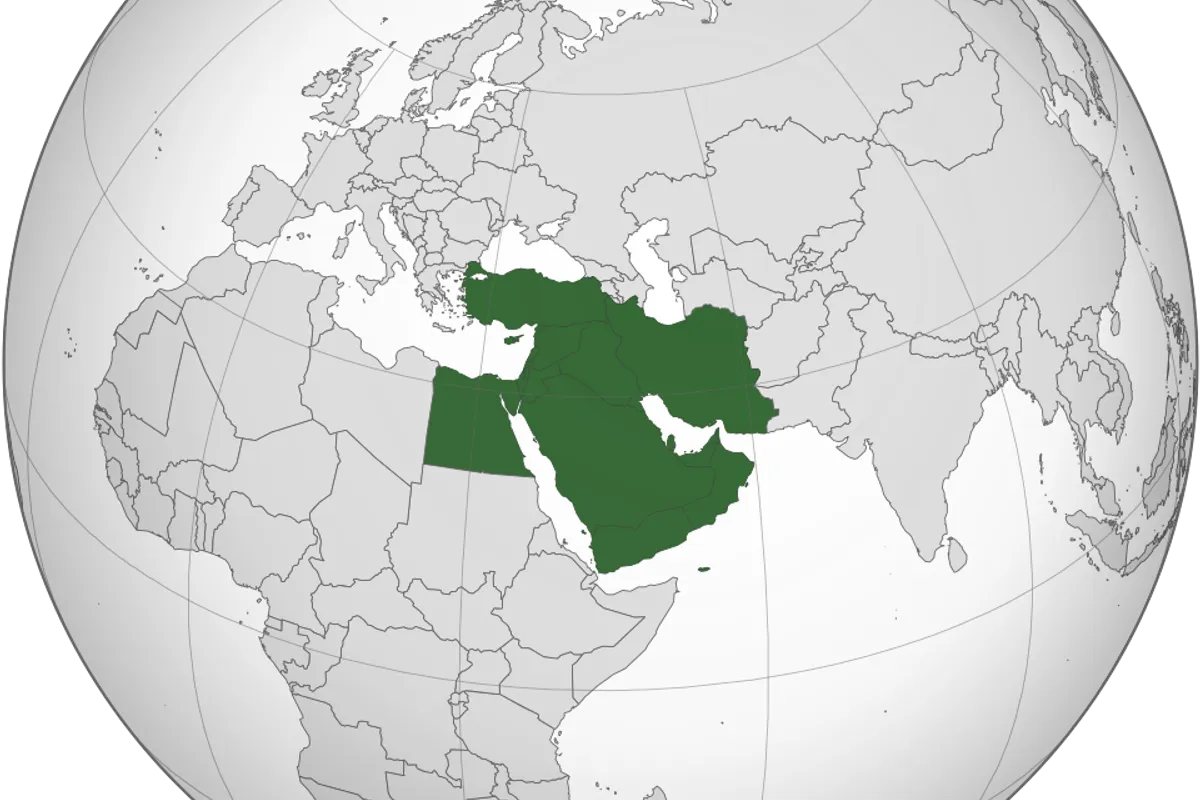
This statement further underscores the seriousness of the situation and the deep uncertainty prevailing at the very top of the Iranian leadership. The potential death or incapacity of the Supreme Leader would push the Islamic Republic into a new phase of political crisis. The consequences of such a scenario would be unpredictable for the entire Middle East region.