Israel Rejects Trump's Gaza Peace Plan
Netanyahu confirms they did not accept the draft, despite the guarantee of full Hamas disarmament before troop withdrawal.
Netanyahu confirms they did not accept the draft, despite the guarantee of full Hamas disarmament before troop withdrawal.
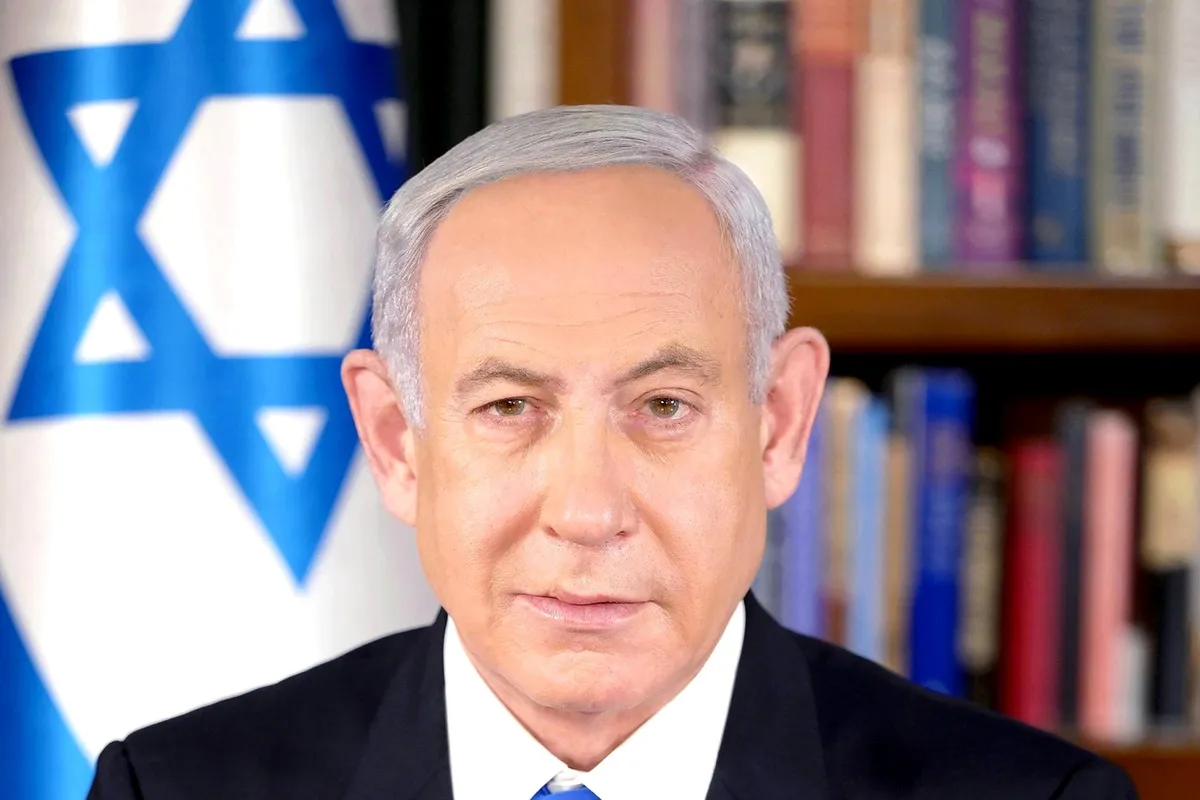
Israeli Prime Minister Benjamin Netanyahu confirmed on Tuesday evening that Israel has not accepted the latest peace plan for the Gaza Strip proposed by U.S. President Donald Trump. The rejection comes despite Washington meeting a key Israeli demand, guaranteeing that the Israeli military will not withdraw from the Palestinian territory before the complete disarmament of Hamas.
"Donald Trump's team sent us a draft that we did not accept: it is not our plan. We conveyed our comments to them," Netanyahu said in a video posted on social media, as reported by agencies Hina and AFP.
Despite rejecting the plan, Netanyahu on Wednesday highlighted his close relationship with the American president at a ceremony. "He is our greatest friend, one of the greatest friends Israel has had in the White House," he stated. However, he immediately added a red line: "Israel's survival is not a matter for negotiation."
The plan, which pertains to the second phase of Trump's peace proposal, linked the disarmament of the Islamist movement to a gradual withdrawal of Israeli forces. After Israel expressed concerns, particularly from far-right ministers, the Peace Committee established by Trump guaranteed at a meeting on Monday that the withdrawal would not occur before the complete disarmament of Hamas.
The Chief of Staff of the Israeli military, Lieutenant General Eyal Zamir, stated on Wednesday that the army will continue to "operate proactively" in the Gaza Strip. During a visit to soldiers on the ground, he emphasized: "We will not allow a threat like the one we experienced on October 7 to emerge on our borders."
On the other hand, Hamas spokesman Hazem Kasem said in a statement that "an agreement has been reached with Palestinian factions on a plan to implement the ceasefire agreement," which Hamas accepted on Friday. He called on the U.S. administration and the Peace Committee's representative, Nikolay Mladenov, "to exert real pressure to compel the occupation government to adhere to the agreement."
The release of the plan and political turmoil come at a sensitive time for Israel, which is preparing for parliamentary elections in October. They are seen as a referendum on the legacy of Prime Minister Netanyahu, who is running again. Recent polls show that a majority of Israelis want him to leave, fueled by anger over security failures during the Hamas attack on October 7, 2023, which sparked the war in the Gaza Strip.
Netanyahu was scheduled to convene the security cabinet on Tuesday, but the meeting was postponed to Thursday. According to Israeli media reports, the reason for the delay is the campaign for internal party elections in his right-wing Likud party.