Qatar Claims Progress in Negotiations
As the US and mediators announce an imminent deal to unblock the key waterway, Iran insists it is not holding direct talks with Washington. Meanwhile, another ship was attacked in the strait.
As the US and mediators announce an imminent deal to unblock the key waterway, Iran insists it is not holding direct talks with Washington. Meanwhile, another ship was attacked in the strait.
Optimism over the reopening of the Strait of Hormuz has led to a significant drop in oil prices on global markets. Brent crude fell by more than four percent on Monday, continuing a downward trend fueled by hopes that an agreement to restore traffic through this strategically vital sea passage could soon be reached, reports Reuters.
Qatar, which along with Pakistan and Oman acts as a mediator, has announced that progress has been made in talks between Washington and Tehran. Majed al-Ansari, a spokesman for Qatar's foreign ministry, stated that mediators are closely coordinating efforts to facilitate negotiations and the exchange of draft proposals. He emphasized that some progress has been made.
Messages coming from the two sides remain contradictory. US President Donald Trump said on Monday that negotiations with Tehran have begun and that Iran now has a "last chance" to reach a deal. Senior US officials have also highlighted progress. Secretary of State Marco Rubio told reporters at the State Department: "Progress has been made in these negotiations, but they are not yet complete. We hope that will happen very soon." Treasury Secretary Scott Bessent was even more specific, estimating that an agreement to reopen the strait could be reached by Tuesday or Wednesday.
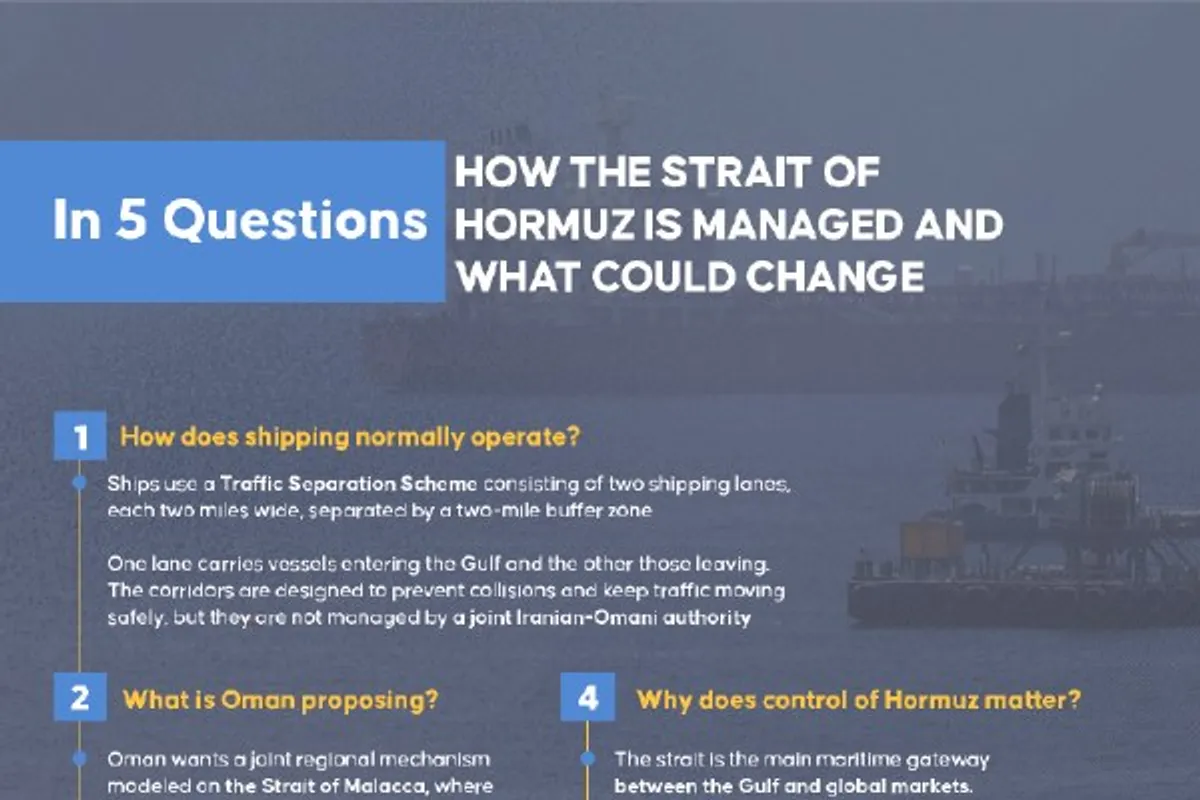
In contrast, Iran publicly rejects any direct negotiations with Washington. Esmail Baghaei, a spokesman for Iran's foreign ministry, mentioned only talks with Oman about regulating traffic in the Strait of Hormuz, describing them as positive and ongoing. Similarly, Esmaeil Baghaei, another Iranian foreign ministry spokesman, asserted that talks with Oman aim to ensure the sovereign rights and national security of both countries and are "positive at both the technical and political levels." The focus of the talks, according to him, is on establishing safe corridors for vessels entering and leaving the strait.
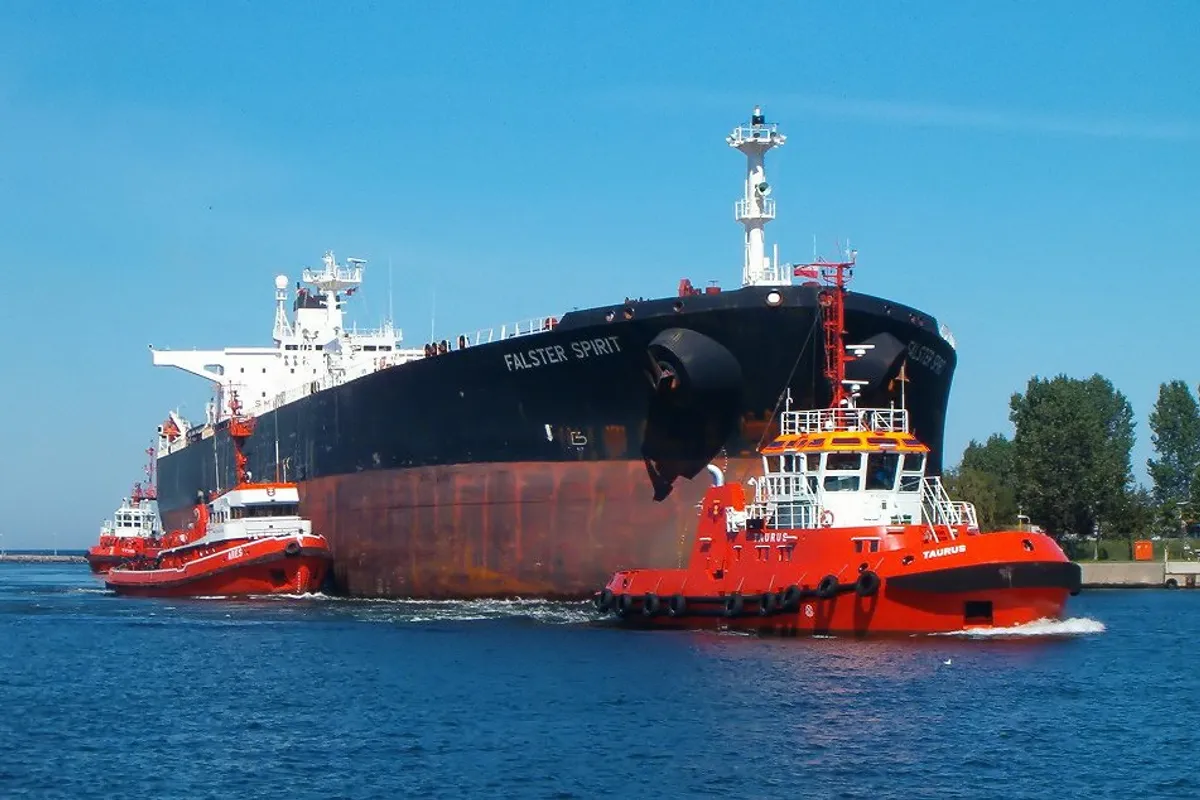
Despite diplomatic efforts, the situation on the ground remains tense. The Strait of Hormuz, through which about a fifth of the world's oil and liquefied natural gas passed before the war, remains almost completely closed. On Monday, a new incident was recorded-another ship attempting to pass through was attacked. Iran has halted most traffic, while Washington maintains a naval blockade of Iranian ports. The situation is further complicated by pro-Iranian Houthis who have imposed a blockade on Saudi Arabia in the Red Sea, further restricting global oil supplies.
Iran has long sought control over the strait, claiming it should share it with Oman, which lies on the opposite shore. Guaranteed control over this passage would represent a major shift in the regional balance of power and would make it harder for Washington to argue that the war, which Trump launched together with Israel in February 2026, has weakened Tehran. Officials from Gulf countries and analysts, writes Reuters, believe that Iran thinks it can outlast the US, raising the cost of the conflict through disruptions to traffic and energy infrastructure.
A senior Pakistani security official, whose country is also involved in mediation, summarized the current focus of efforts: "Our only goal now is to at least get both sides to agree to start talks." Iran broke off diplomatic contacts with Washington after the memorandum of understanding signed by the two sides a month earlier collapsed in early July 2026.