Chinese AI Models Create a 'Death Zone' for American Competitors
Free Chinese open-source models are taking over the market and squeezing mid-tier American companies, with as many as 80% of U.S. AI startups already using Chinese solutions.
Free Chinese open-source models are taking over the market and squeezing mid-tier American companies, with as many as 80% of U.S. AI startups already using Chinese solutions.
Chinese artificial intelligence labs have created what Bloomberg calls a 'death zone' for American AI model makers. Free open-weight models, which anyone can download and customize, are systematically eating into the market for paid American alternatives, particularly hitting companies that are neither the cheapest nor the best.
The quality gap has nearly disappeared. According to Stanford's AI Index, China trails the United States by only 2.7% in model performance, and this gap has been closed at a fraction of the cost that American labs invest. Adoption figures are even more impressive: roughly 80% of American AI startups now use Chinese open-source models.
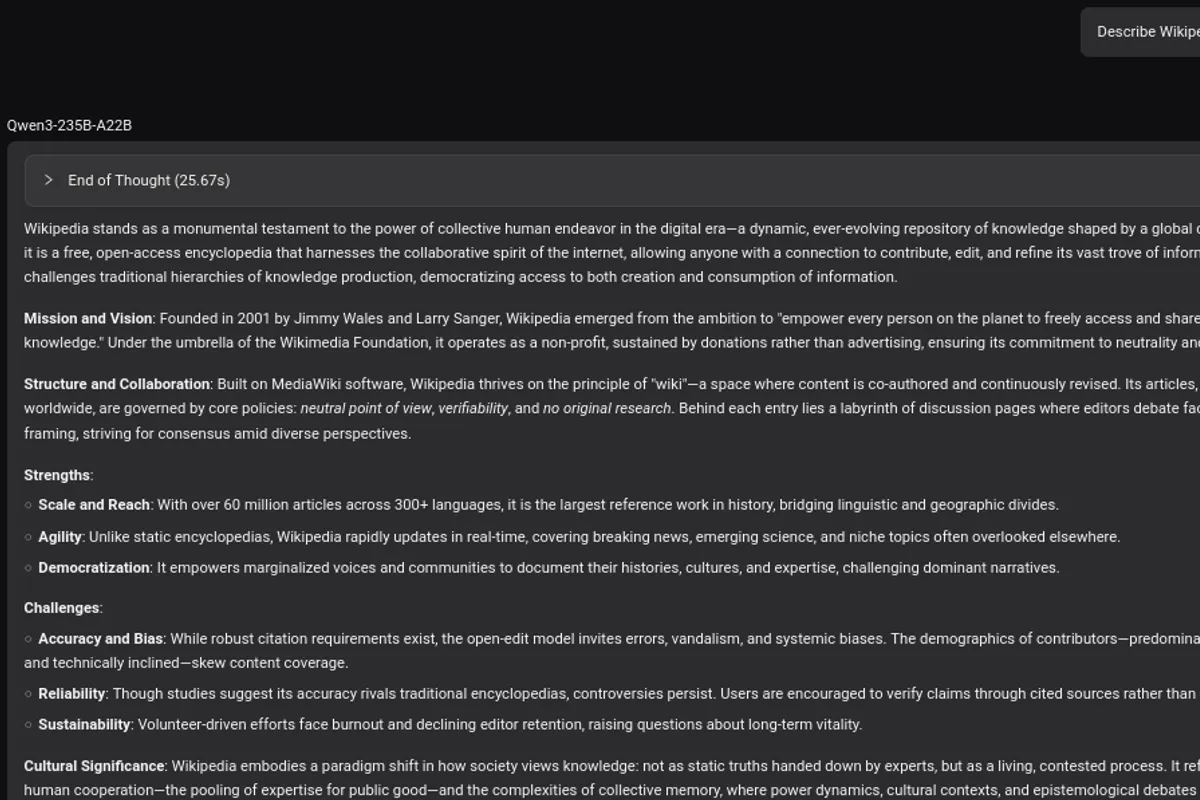
Alibaba's Qwen family of models has overtaken Meta's Llama in total downloads, making the Chinese model the default open option for many developers-a role Silicon Valley considered its own. DeepSeek's R1 model briefly surpassed ChatGPT as the most downloaded app in the U.S., a symbolic moment that rattled the industry and showed how competitive Chinese models have become.
Siemens' CEO stated he sees 'no downsides' to using Chinese models, citing cost and flexibility. Such endorsements turn the security debate into a procurement decision. A U.S. congressional commission has warned that China's open ecosystem 'creates alternative pathways to AI leadership' and allows their labs to 'innovate near the frontier despite significant compute constraints.'
The economics are unforgiving for those in between. Cheap Chinese models are pressuring even leading companies like Anthropic and OpenAI on pricing at the top of the market. Companies like MiniMax continue to build ever-larger models and release them as open-source, ensuring the free tier improves faster than the paid middle can differentiate.
While U.S. officials warn of security and censorship risks embedded in Chinese models, cost has repeatedly won out in corporate deployment decisions. Escaping the 'death zone' for American model makers involves specializing in a defensible niche, moving up to cutting-edge research, or building a business around open models rather than selling the models themselves.