The Mystery of Mata Hari: Double Agent or Victim of Propaganda?
More than a century after her execution, the world still wonders whether Margaretha Geertruida Zelle was truly a dangerous spy or merely a convenient scapegoat for wartime failures.
More than a century after her execution, the world still wonders whether Margaretha Geertruida Zelle was truly a dangerous spy or merely a convenient scapegoat for wartime failures.
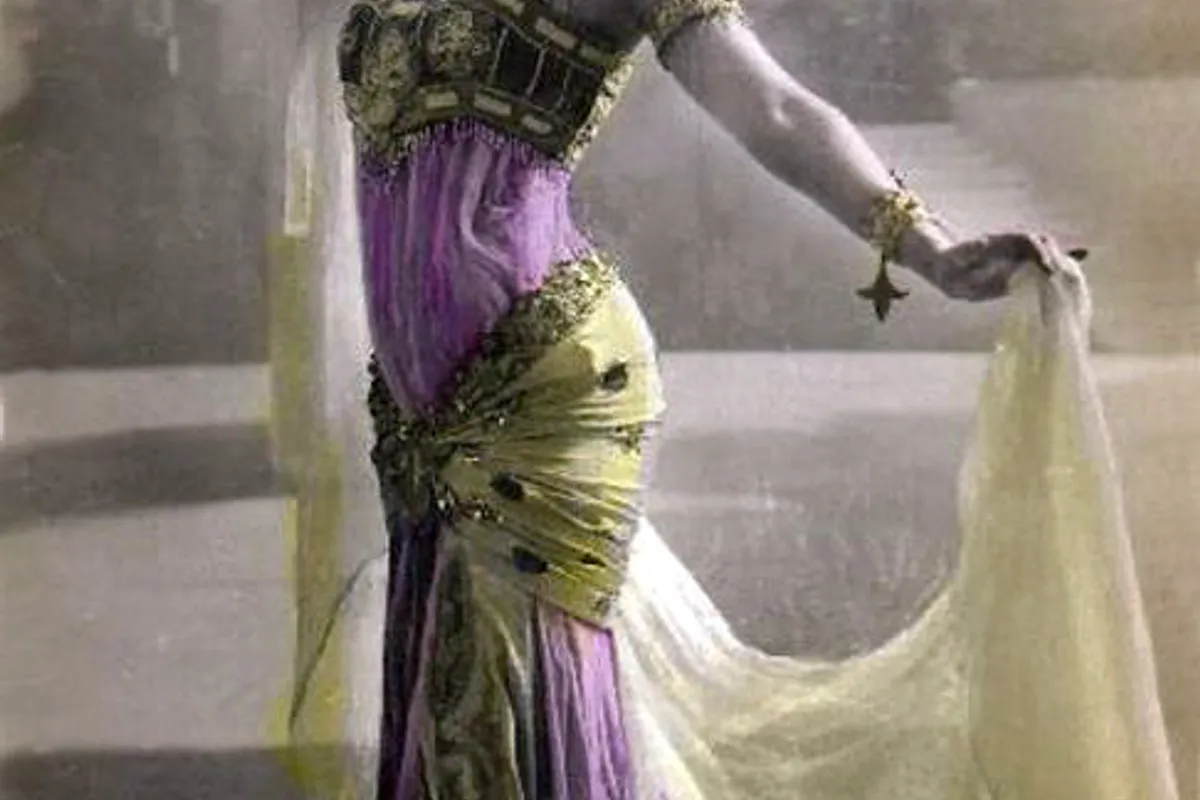
The name Mata Hari still evokes the same associations today, more than a hundred years after her death before a firing squad: a seductive spy, a femme fatale who used her beauty to extract military secrets from powerful men. But behind the legend of the exotic dancer who conquered Paris lies a life marked by tragedy and one unanswered question: was Margaretha Geertruida Zelle, born in 1876 in the Netherlands, truly a deadly double agent or merely a victim of French wartime propaganda?
The path to the glitter of the Parisian scene for Margaretha Geertruida Zelle was paved with personal tragedies. After her family went bankrupt and her mother passed away, young Margaretha sought refuge from poverty in marriage. This escape from harsh reality ultimately led her into the world of exotic dance, where under the stage name Mata Hari she would become one of the most intriguing figures of the 20th century.
Her transformation from a provincial girl into the archetype of the femme fatale still captivates the public's imagination today. However, what makes this story an eternal mystery is not just her rise, but the controversial fall that followed.
More than a hundred years after her execution, the key question still hangs in the air. Was Mata Hari truly a dangerous double agent who deserved her fate, or was she a convenient victim, a scapegoat onto whom French wartime propaganda shifted the burden of its own failures? This dilemma has secured her a lasting place in history, not only as a spy but also as a symbol of complex games of power and perception.