Darkness Over the Danube: European Capitals Introduce Power Cuts
Due to record-low Danube water levels and cooling issues at nuclear plants, Budapest and Bucharest are reducing lighting. Romania has declared a state of emergency.
Due to record-low Danube water levels and cooling issues at nuclear plants, Budapest and Bucharest are reducing lighting. Romania has declared a state of emergency.
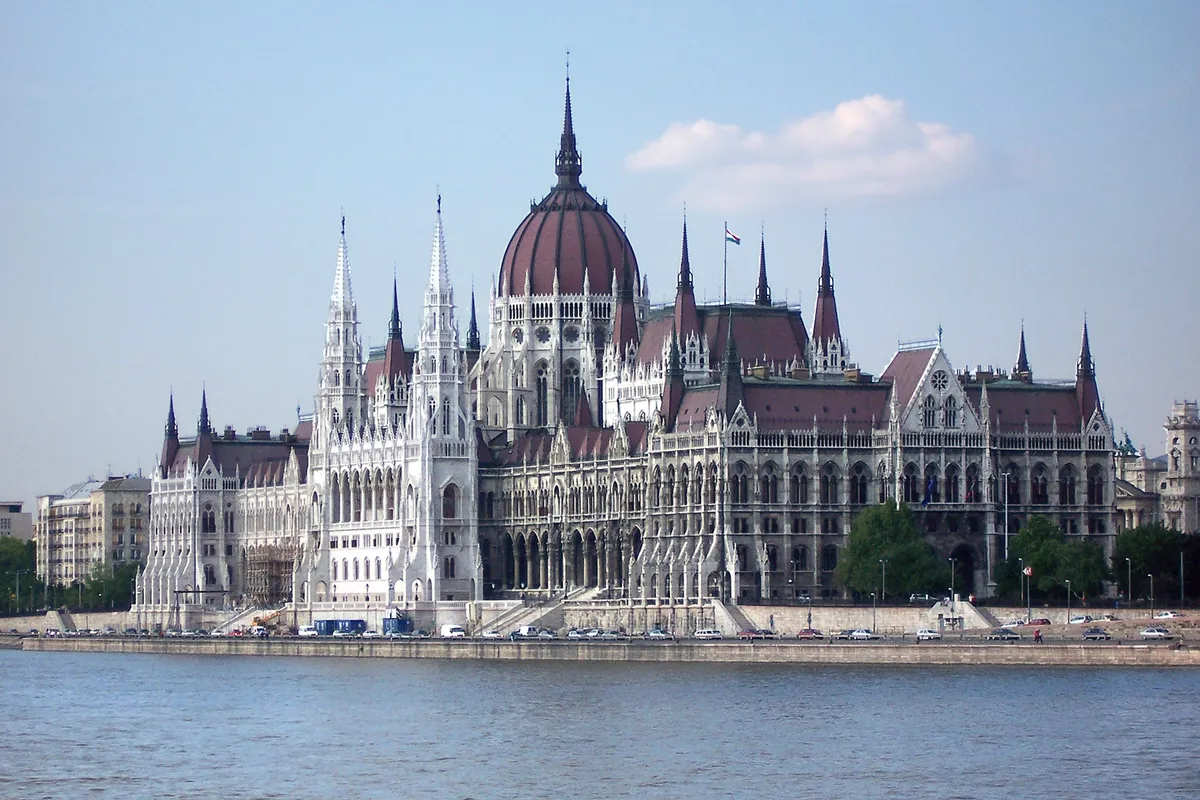
A prolonged period of extreme heat has emptied the beds of major European rivers, and the consequences are increasingly visible on the streets of major cities. Due to the low water level of the Danube, which threatens to shut down reactors at nuclear power plants, Hungarian and Romanian authorities have taken urgent measures to save electricity, introducing reductions in public lighting.
Romania has declared an energy state of emergency until the end of the month. In Bucharest, decorative lighting has been completely switched off, and street lighting has been reduced by a third, plunging the city into semi-darkness. "It seems we have reached this point due to poor decisions made regarding the climate crisis that has been ongoing for decades," commented Mirče, a resident, for N1 Serbia.
Budapest has not been spared either. The city, known for its spectacular panoramas, has turned off many lights, causing dissatisfaction among some visitors. "I am very disappointed because I come to Budapest once in a lifetime, and last night I climbed the hill and waited for the lights to turn on. But nothing happened. I was so disappointed," said Silke Schnieders, a tourist from Germany.
On the other hand, the restriction decisions have been met with approval from local residents. "This is a minimal, minimal response to the whole situation. I fully approve and support this," said Péter Hajmási, a Budapest resident. His fellow citizen Andrea Viktória Orbán agreed and added: "I think it's a very good thing in the current situation. It's a very responsible decision, for example."
The root of the problem lies in the inability to cool nuclear reactors. At Paks, Hungary's only nuclear power plant, only one reactor is operating because the Danube's level is insufficient to cool all of them. This plant normally supplies about 40 percent of Hungary's electricity needs. A similar situation exists at Romania's Cernavodă nuclear plant, where only one reactor is also running. Romanian authorities have taken dramatic steps to redirect the water flow, including blasting rocks that have emerged from the water and sinking loaded barges to increase the flow toward the plant.
Jess Ralston, head of energy at the Energy and Climate Intelligence Unit, explained the broader picture for N1 Serbia: "Much of Europe, due to these long periods of extreme heat, has water levels far, far below what is needed, and for a longer period of time. This creates cooling problems not only for nuclear power plants but also for gas-fired ones, because there isn't enough water to cool them. And not only is there not enough water, but the water temperature is also higher. That means they are harder to cool. That's why they have to take such extreme measures."
The crisis is spreading beyond the Danube basin. Due to the low water level of the Sava River, the Krško nuclear power plant in Slovenia has announced a 20 percent reduction in electricity production. This plant normally provides nearly 60 percent of Slovenia's daily electricity consumption, further highlighting the severity of the regional energy threat.