SILENCE IN ISRAEL: Trump Unveils Plan for Peace in Gaza
As American envoys try to salvage the Hamas disarmament deal, Israel continues military operations, and Prime Minister Netanyahu delays a final decision ahead of elections.
As American envoys try to salvage the Hamas disarmament deal, Israel continues military operations, and Prime Minister Netanyahu delays a final decision ahead of elections.
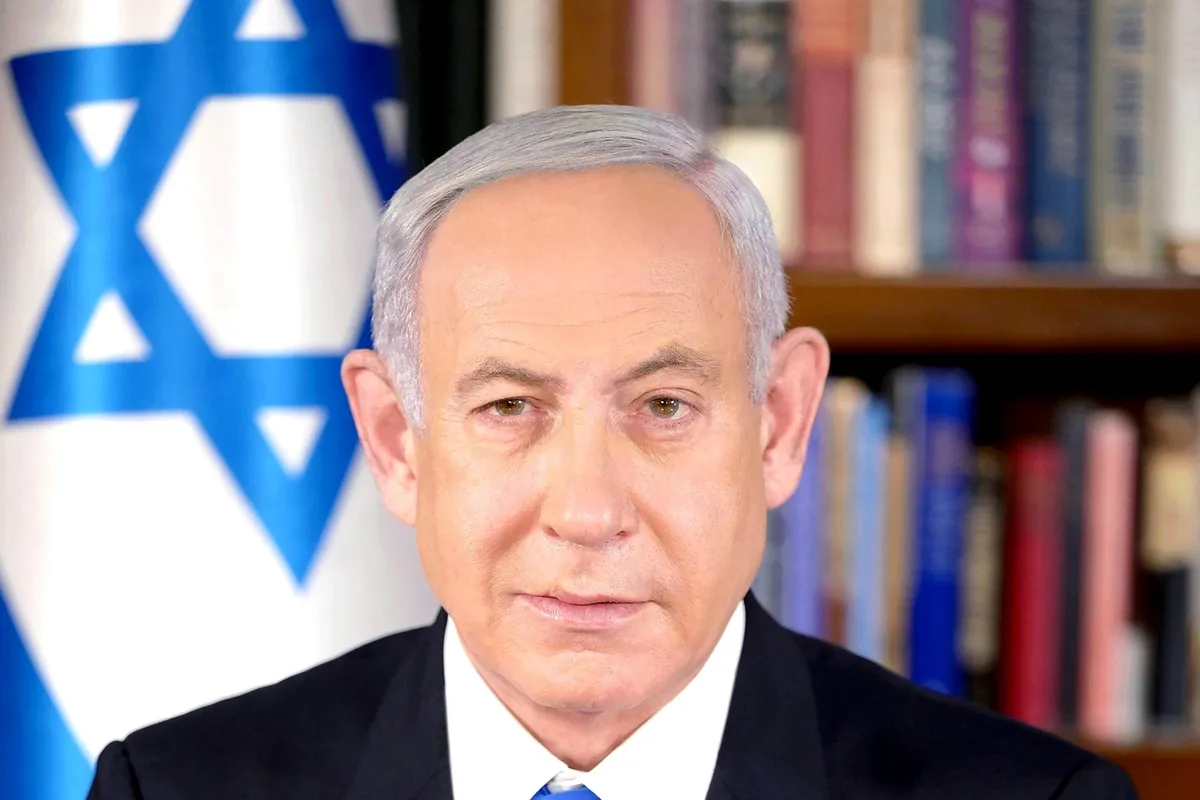
More than three days after US President Donald Trump presented a new phase of his peace plan for Gaza, Israeli Prime Minister Benjamin Netanyahu has yet to publicly state whether he accepts the agreement. Instead of an official stance, there was an escalation of airstrikes on the Gaza Strip over the weekend, which, according to CNN, killed 28 people, the highest single-day death toll in several weeks. On the other hand, Germany's Tagesschau reports at least 17 killed in Israeli targeted killings of Hamas operatives, calling it one of the bloodiest weekends since the ceasefire in October 2025.
Special envoy of Trump's Peace Committee, Nikolay Mladenov, assessed that the weekend attacks claimed civilian lives and destroyed medical supplies, warning that they seriously undermine efforts to implement the plan for Hamas disarmament. His public criticism, according to CNN sources, reflects the administration's dissatisfaction in Washington. The situation only calmed down on Sunday evening when airstrikes weakened.
On Monday, August 4, 2026, Mladenov, along with senior American adviser Ari Lightstone, arrived in Israel and spoke with Netanyahu. After the meeting, the Peace Committee stated that the conversation was "constructive and detailed" and that neither Israel nor the American side questions the goal, namely the complete disarmament of Hamas and the establishment of a civilian administration in Gaza. However, no agreement has yet been reached on how to achieve that goal.
Despite diplomatic efforts, shortly after the meeting, an unnamed Israeli official said that Israel's policy has not changed. "Israel will not withdraw from its current positions in the Gaza Strip and will continue to prevent any threat to our civilians and soldiers," he stated. This reiterated the stance that Israeli forces will not return to the separation lines at the positions stipulated by the ceasefire agreement of October 2025.
Hamas, on the other hand, claims it will carry out the promised disarmament only after Israel withdraws from the territories it subsequently occupied. A Tagesschau commentator assessed that the announced disarmament deal "is not worth the paper it's written on," adding that neither Hamas nor the Israeli government currently has an interest in implementing the plan. In Gaza, no one took to the streets to celebrate the agreement, and Hamas's consent was conditioned on demands they know Israel will not accept.
Netanyahu's hesitation comes at a sensitive political moment, less than three months before parliamentary elections. His far-right coalition partners openly demand the rejection of Trump's plan. Finance Minister Bezalel Smotrich and Settlement Affairs Minister Orit Strock sent a letter to the Prime Minister demanding an urgent cabinet session to block the arrival of international stabilization forces in Gaza, even though the same cabinet approved their deployment in a pilot zone last week.
Netanyahu's Likud lawmaker Amit Halevi was even more direct. "You can wrap fish in this agreement tomorrow. It has no value. No Israeli soldier will withdraw from Beit Hanoun or Khan Yunis," Halevi said.
Israeli sources estimate that Netanyahu does not want to withdraw troops from Gaza before the elections, but also does not want to openly clash with Trump, who has been an important political ally for years. It is also noted that the Prime Minister doubts Hamas truly intends to hand over weapons and believes the group is trying to buy time. A senior US administration official previously warned that Trump would be "very, very disappointed" if Israel did not honor the new agreement.
Military analyst at Tel Aviv University, Michael Milstein, believes that Trump is the decisive factor. "If he pressures Netanyahu to accept a withdrawal before the elections, it would be a serious political blow for the Prime Minister," Milstein assessed. He expects Netanyahu to continue delaying a final decision rather than publicly rejecting the plan. A similar situation exists in Lebanon, where negotiations are ongoing, but no concessions are expected due to the election campaign in Israel.
Parallel to diplomatic games, the Israel Defense Forces (IDF) continued military operations. The Jerusalem Post reports that the IDF has confirmed several strikes in recent days that killed members of various terrorist groups in Gaza. According to the same source, the IDF has halted strikes on Gaza over the past 48 hours, except for one attack early Monday.
A Tagesschau commentator notes that Trump is still the only one trying to inject momentum into the conflict, while Europeans no longer engage on the issue at all, leaving the impression that they have given up trying to change anything in the current constellation.