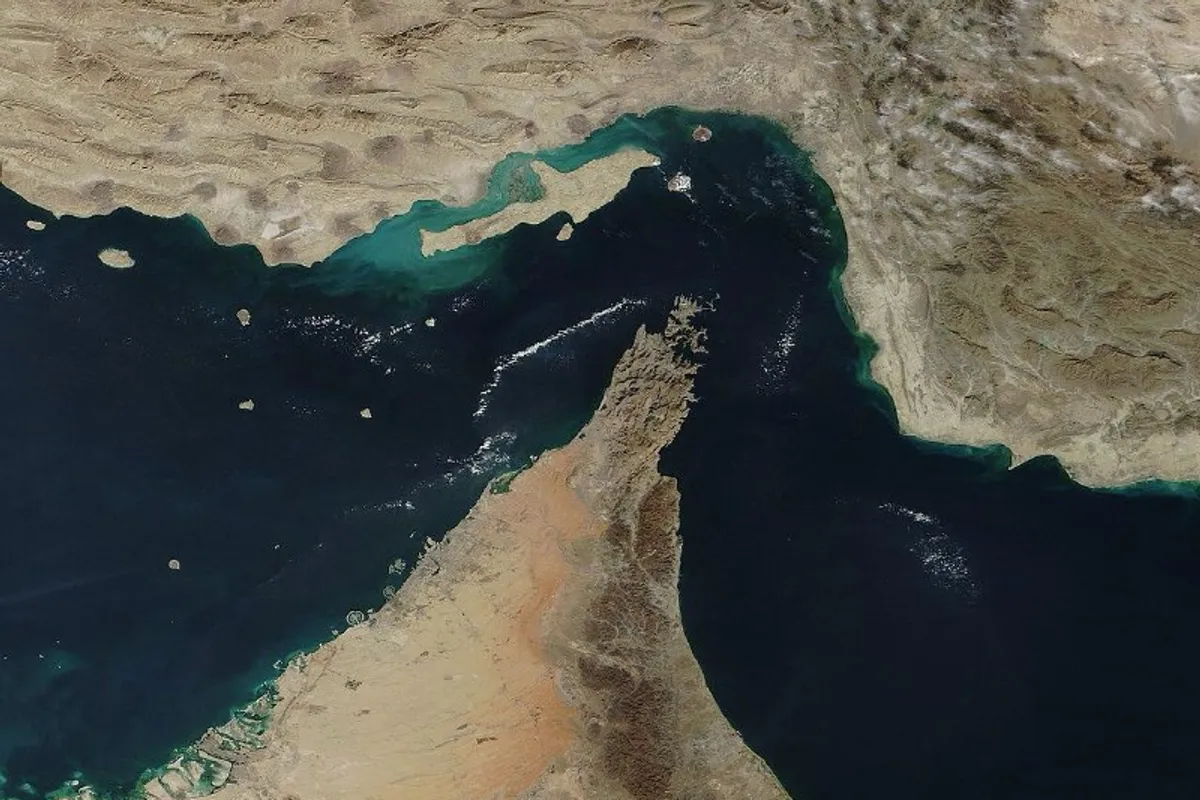
Oil prices saw a slight recovery on Tuesday, a day after experiencing one of their largest daily drops in recent times. The market remains heavily influenced by uncertainty surrounding the Middle East conflict, particularly the status of the crucial Strait of Hormuz, through which a significant portion of global oil trade passes.
Brent crude futures rose by 0.62 dollars, or 0.7 percent, reaching a price of 84.39 dollars per barrel. A day earlier, Brent's price had fallen by seven percent, dropping to its lowest level in three weeks. US light crude West Texas Intermediate (WTI) followed a similar pattern, rising by 0.61 dollars, or 0.7 percent, to 80.95 dollars per barrel, after previously falling to its lowest level in nearly a week.
Trump's Announcement of Negotiations and Iran's Rejection
The price recovery came after the enthusiasm from the start of the week, fueled by hopes for a diplomatic solution, quickly faded. US President Donald Trump stated on Sunday that he is postponing new attacks on Iran while negotiations aimed at ending the conflict and resolving the issue of control over the Strait of Hormuz are ongoing. However, by Monday, Iranian Foreign Ministry spokesman Esmail Baghaei rejected Trump's claim, emphasizing that no negotiations with the US are taking place and that no meetings have been scheduled.
This contradiction in statements further deepened uncertainty in the markets. "Some of the pressure on oil prices has eased... after Trump postponed attacks on Iran and announced a possible return to negotiations. Nevertheless, the price drop remains very fragile, oil could just as easily recover again if there are renewed missile attacks or if tankers in the Strait of Hormuz are once again exposed to attacks," said Tim Waterer, chief market analyst at KCM Trade.
Key Point of Contention: Who Controls the Strait of Hormuz?
At the heart of geopolitical tensions lies the Strait of Hormuz, a narrow maritime passage connecting oil producers from the Persian Gulf to global markets. According to data cited by CNBC, before the outbreak of the conflict, approximately 20 percent of total global oil and energy product consumption passed through it daily.
Adding further complexity are reports of a possible agreement between Iran and Oman to reopen navigation through the strait. According to these reports, Iranian officials propose that ships entering the Persian Gulf would use a channel near Iran and pay a fee shared with Oman. On the other hand, US officials deny that Iran would have the authority to charge fees or control passage. This dispute over authority over the crucial maritime route remains unresolved and represents a major obstacle to calming the situation.
Although there is no direct impact on Croatian companies, the volatility of oil prices on the global market directly spills over into fuel and energy prices in Croatia. Any significant disruption in supply through the Strait of Hormuz could quickly result in higher prices at gas stations and increased costs for transporters and citizens.