Netanyahu Proposed Gradual Phasing Out of US Military Aid to Israel Within 10 Years
At White House meeting with Trump, they also discussed three options toward Iran: diplomacy, economic pressure, and military strike.
At White House meeting with Trump, they also discussed three options toward Iran: diplomacy, economic pressure, and military strike.

Israeli Prime Minister Benjamin Netanyahu proposed during his meeting with US President Donald Trump at the White House a gradual phase-out of direct US military aid to Israel over the next ten years, reported Israeli public broadcaster KAN citing an unnamed political source. The news comes amid an escalation of the conflict with Iran, which the two leaders discussed on Wednesday, July 29, 2026.
According to the source cited by KAN, Netanyahu proposed that US military aid be gradually reduced until it is completely phased out within 10 years, while cooperation on missile defense programs continues. Instead of direct financial support, the two countries should shift their focus to joint defense development projects. The White House has not commented on the KAN report so far.
Since World War II, Israel has been the largest single recipient of US bilateral aid. According to data from the Congressional Research Service (CRS), by May 2025 Washington had provided Israel with a total of approximately $174 billion in bilateral aid and missile defense funding. The current military package is defined by a 2016 Memorandum of Understanding for the period 2019-2028, worth $38 billion, of which $33 billion in grants for foreign military financing ($3.3 billion annually) and $5 billion for joint missile defense programs ($500 million annually).
Netanyahu has previously publicly advocated for reducing dependence on US aid. In interviews with The Economist in January of this year and with CBS's 60 Minutes in May, the Israeli prime minister emphasized his desire for Israel to eventually completely end its reliance on American funding, while maintaining close defense cooperation, especially in the area of missile defense.
The meeting between Trump and Netanyahu lasted about 90 minutes behind closed doors, with Iran as the main topic, along with Gaza and other regional issues. A senior Israeli official, as reported by HRT, Kamenjar, and Glas Istre, confirmed that three options for stopping Iran's nuclear program were considered: reaching a diplomatic agreement, continuing economic pressure and blockade, and a large-scale military strike. "In the end, it's his decision," the official said of Trump. He also noted that there are signs the Iranian leadership is shaken by rising inflation and public discontent, but that the consequences for the global economy and oil market must also be taken into account.
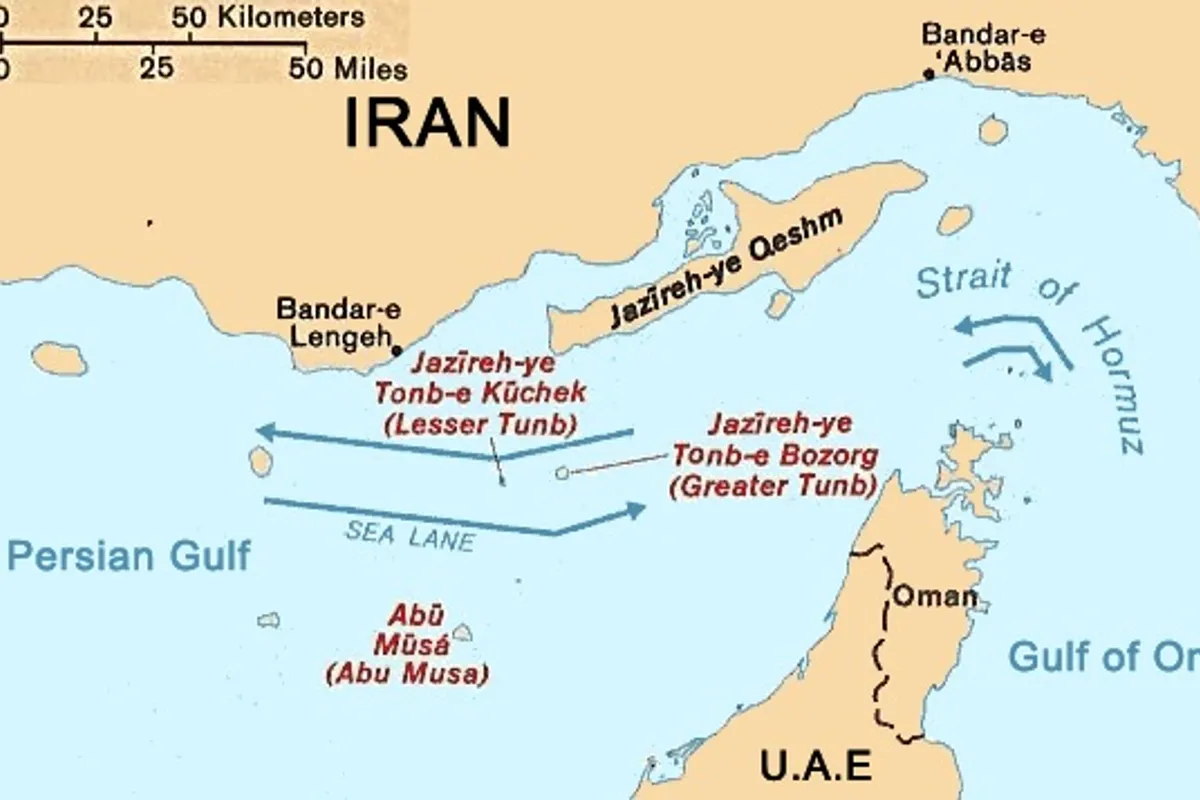
The conflict between Iran on one side and the US and Israel on the other has been ongoing since February 28, 2026, when the first joint airstrikes were carried out on Iranian targets. Iran responded with attacks on Israel and Gulf states. In July, the US conducted a two-week bombing campaign against Iran, in which Israel did not participate, but warned it would retaliate strongly if attacked. On Wednesday, the US and Saudi Arabia carried out attacks on pro-Iranian paramilitary groups in Iraq, and Iran confirmed it had struck US bases in Jordan and ships in the Strait of Hormuz, rejecting an Omani plan for joint management of the strait. Oil prices have risen sharply due to the escalation.
On Wednesday, the White House released crime data for the first half of 2026, showing that murders are on track to reach their lowest level in at least 126 years. Compared to the same period in 2025, the number of murders decreased by 18%, carjackings fell by 47%, motor vehicle thefts by 20%, robberies by 17%, and residential burglaries by 13%. Compared to peaks over the past nine years, murders are down 51%, carjackings down 73%, burglaries down 56%, and vehicle thefts down 51%. The largest declines were recorded in cities where the Trump administration intervened: Memphis saw a more than 43% drop in murders, Washington D.C. more than 42%, New Orleans more than 32%, and Los Angeles more than 18%.