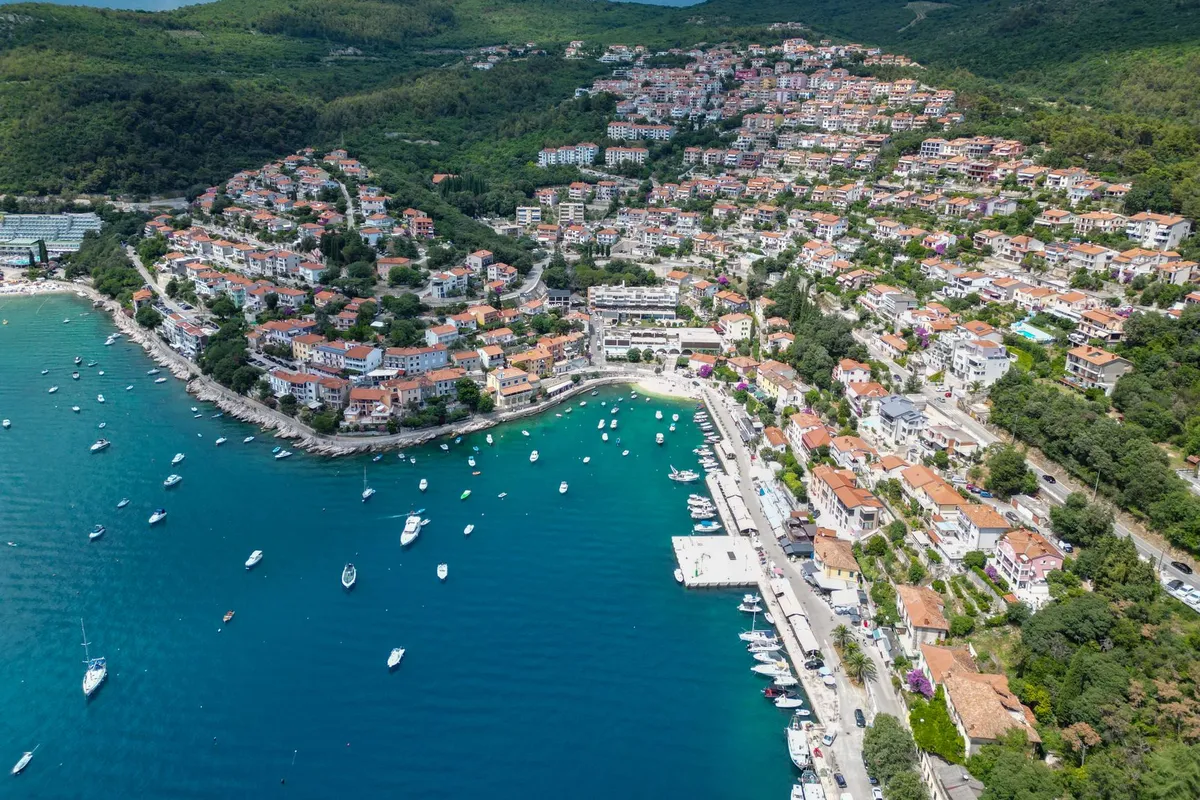
In July 2026, the Kvarner tourist region achieved stable tourist traffic with 740,000 arrivals, a 3 percent increase compared to the same month last year. There were just over 5 million overnight stays, or 30,000 more than in July 2025, representing a 1 percent growth, according to initial data from the eVisitor system of the Kvarner Tourist Board.
While these figures are encouraging, it's important to note that they refer solely to physical indicators, while financial results will be particularly interesting due to the large number of last-minute bookings that marked this year's season. Marijana Kalčić, director of the Kvarner Tourist Board, emphasized that July confirmed stable tourist traffic.
"Looking at the first seven months, the results are nearly on par with last year's, with growth in several key source markets, confirming continued interest in Kvarner," said Kalčić.
Domestic Guests Rank Third
A significant trend that continues year after year is the strengthening of domestic tourism. In July, about 87,000 domestic guests stayed in Kvarner, a 7 percent increase compared to last year. They generated approximately 650,000 overnight stays, making the domestic market the third strongest source market, right behind Germany and Slovenia. Previously, Germany, Slovenia, Austria, and Italy brought in the most traffic, but domestic guests now hold a high position, although data suggests they came for slightly shorter vacations than last year.
Hungarians and Czechs Lead Growth
The real surprise of this season comes from the Hungarian and Czech markets. In July, about 90,000 Hungarian tourists visited Kvarner, a jump of as much as 12 percent, and they generated 446,000 overnight stays, 11 percent more than in the same period last year. The Czechs also recorded double-digit growth, with 40,000 arrivals, they were up 17 percent, while their overnight stays rose by 13 percent, reaching 270,000.
The Polish market is also growing, partly boosted by new flight routes, with 42,000 arrivals (up 7 percent) and 265,000 overnight stays (up 5 percent). Interestingly, Ukraine also made it into the top ten markets in July, with 15,000 arrivals (up 13 percent) and 96,000 overnight stays (up 11 percent), accounting for 2 percent of the region's total traffic.
Slight Decline in Traditional Markets
On the other hand, the traditionally strongest German market is seeing a slight decline. In July, 120,000 German tourists stayed in Kvarner, 1 percent fewer than last year, and they generated 950,000 overnight stays, a 2 percent drop. The Austrian market is also in the red, although arrivals increased by 1 percent, overnight stays fell by 5 percent, or 20,000, to a total of 375,000. Some long-haul markets are also declining, such as the Scandinavian countries, Benelux, France, the USA, and the United Kingdom, which typically bring high-spending guests.
First Seven Months: Stabilization Amid Shifts
Cumulative data for the period from January to July 2026 shows that Kvarner recorded 1.9 million arrivals (up 1 percent) and 9.6 million overnight stays, on par with last year. The decline from the German and Austrian markets is even more pronounced in this period, German overnight stays are down 5 percent (100,000 fewer), and Austrian overnight stays are down 8 percent (70,000 fewer).
However, these losses have been successfully offset by other markets. The Hungarian market grew by 12 percent over seven months (70,000 more overnight stays), the Czech market by 11 percent, and the Italian market by 3 percent. The domestic and Slovenian markets each grew by 3 percent, while, besides German and Austrian, declines were seen in the American (2 percent), Swedish (3 percent), Dutch (4 percent), and UK (8 percent) markets.
Hotels and Campsites Up, Vacation Homes a Hit
By accommodation structure, hotels in July generated 718,000 overnight stays, a 6 percent increase or about 40,000 more. Campsites, with just over a million overnight stays, were 2 percent better, while private accommodation, with 2 million and 340,000 overnight stays, remained at last year's level. Non-commercial accommodation (holiday homes) saw a 4 percent decline, with 800,000 overnight stays reported.
In the first seven months, vacation homes stand out with a 14 percent increase in overnight stays, reaching 42,000. Hotels, with 2 million and 85,000 overnight stays, grew by 3 percent in the same period, while campsites, with over 2 million overnight stays (up 1 percent), nearly matched hotel accommodation, indicating a strengthening of quality camping offerings in the region.