Onkolozi upozoravaju: Neoprano voće i povrće može dovesti do opasnih infekcija
Poseban oprez potreban je kod osoba s oslabljenim imunitetom, poput pacijenata na kemoterapiji, kojima ove infekcije mogu biti i po život opasne.
Poseban oprez potreban je kod osoba s oslabljenim imunitetom, poput pacijenata na kemoterapiji, kojima ove infekcije mogu biti i po život opasne.
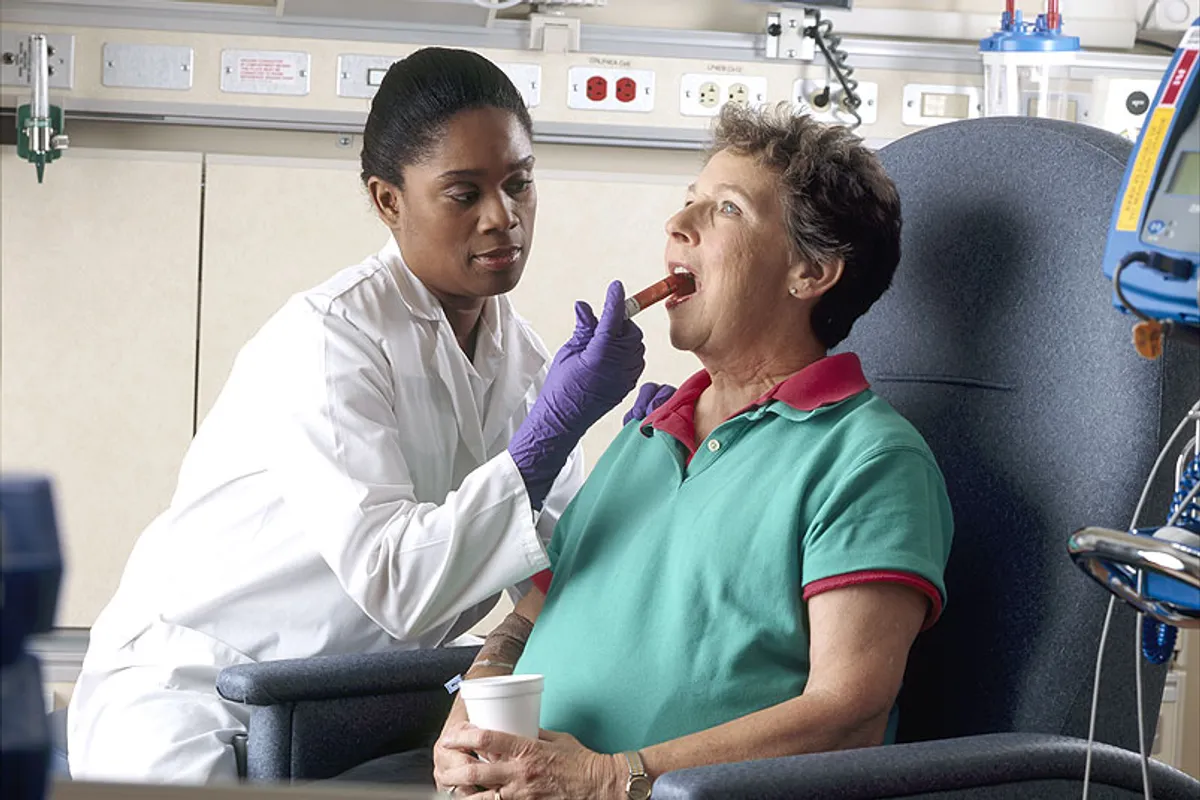
Iako se prehrana bogata voćem i povrćem redovito preporučuje kao dio prevencije zloćudnih bolesti, onkolozi sada upozoravaju na skrivenu opasnost koja se krije u nepravilnoj pripremi ovih namirnica. Problem nije u samom voću i povrću, već u riziku od ozbiljnih infekcija koje nastaju kada ih preskočimo oprati prije konzumacije.
"Kao onkologa, ne brine me toliko mogućnost da neoprano voće i povrće izravno uzrokuje rak, koliko činjenica da ljude, posebno one s oslabljenim imunitetom, može izložiti infekcijama", rekao je za Parade dr. Najeeb Al Hallak, specijalist za onkologiju, jedan od rukovoditelja tima koji se bavi tumorima probavnog sustava i neuroendokrinim karcinomima.
Naglašava kako su upravo onkološki pacijenti pod najvećim rizikom. "Kod pacijenata na kemoterapiji, onih kojima su presađene matične stanice i nekih pacijenata s rakom krvi, te infekcije mogu postati puno ozbiljnije, a povremeno i opasne po život", dodaje dr. Al Hallak.
Dr. Asma Dilawari, onkologinja i medicinska direktorica u organizaciji Thyme Care, pojašnjava odakle dolazi opasnost. "Svježe namirnice mogu sadržavati bakterije, viruse i druge zagađivače koji potječu iz različitih dijelova opskrbnog lanca - od mjesta uzgoja do trenutka kad hrana stigne u vašu kuhinju", objasnila je.
Iako je rizik najveći za onkološke pacijente, usvajanje pravilnih navika pranja voća i povrća važno je za sve, kako zbog vlastitog zdravlja, tako i zbog zaštite ukućana s oslabljenim imunitetom.
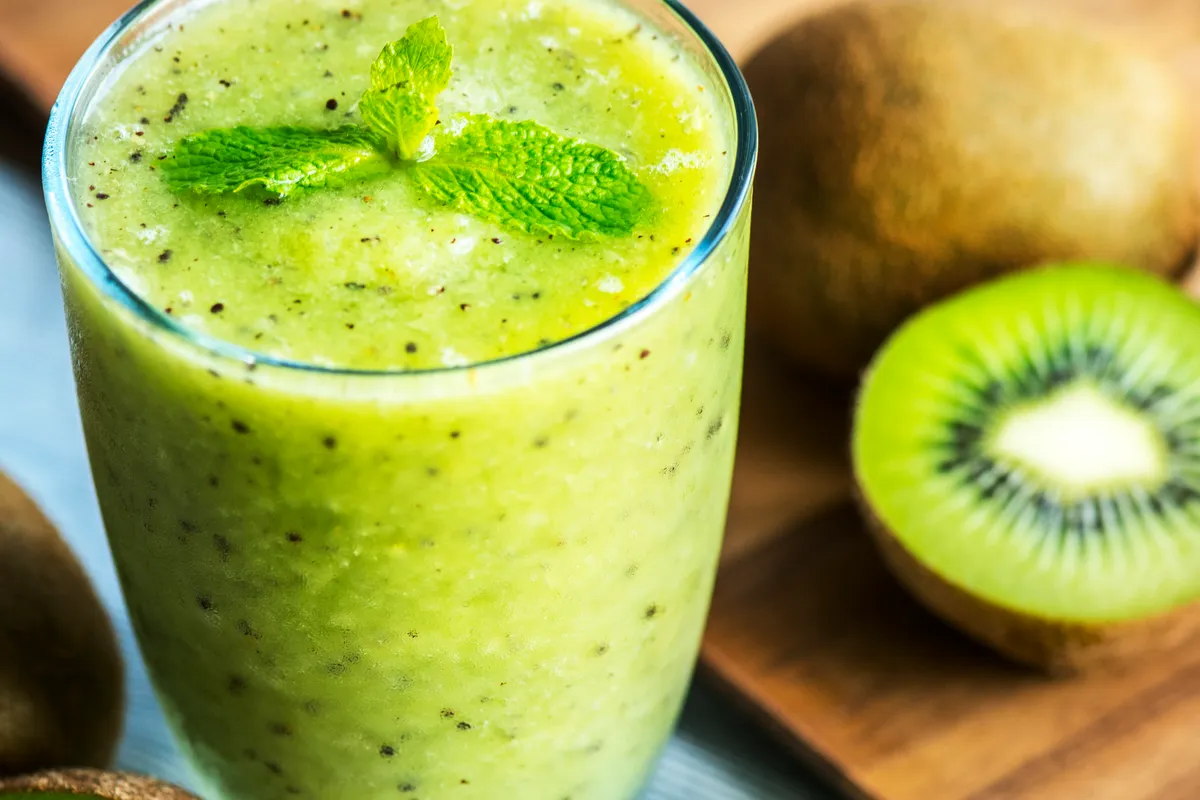
Pranje voća i povrća ne zahtijeva posebne kemikalije. Dr. Al Hallak preporučuje specifičan redoslijed: najprije je potrebno oprati ruke, a potom povrće i voće isprati pod mlazom hladne vode prije nego što ih se jede, reže ili ljušti. Posebno naglašava da je potrebno oprati i namirnice koje se gule, jer nož može prenijeti bakterije s kore u unutrašnjost ploda.
"Vruća voda nije potrebna i može narušiti kvalitetu namirnica. Sapuni, deterdženti ili komercijalna sredstva za pranje se ne preporučuju jer namirnice mogu upiti njihove ostatke. Fizičko ispiranje i trljanje uklanja većinu nečistoća", pojašnjava on.
Za čvršće plodove poput jabuka, krastavaca ili krumpira preporučuje se nježno trljanje čistom četkom za povrće. Za lisnato povrće, vanjski i oštećeni listovi moraju se odstraniti, a preostali dio treba dobro isprati i posušiti čistom krpom.
Za osobe s visokim rizikom postoje i dodatne mjere opreza. "Pranje s malo alkoholnog octa također može smanjiti prisutnost patogena", kaže dr. Dilawari. No, ističe da kućne metode imaju svoja ograničenja: "nijedna metoda kućnog pranja ne može ukloniti apsolutno sve patogene."
Zato je njezin savjet za najranjivije skupine jasan: "Ako vam je imunitet jako oslabljen, kao što je slučaj kod nekih onkoloških pacijenata tijekom intenzivnih tretmana, najsigurnije je jesti namirnice koje možete skuhati ili oguliti."
Osim pranja namirnica, ključna je i higijena kuhinjskog pribora. Dr. Al Hallak upozorava da se ne koristi ista daska za rezanje sirovog mesa i povrća te ističe kako je "unakrsna kontaminacija jedna od najvećih pogrešaka u sigurnosti hrane koju je moguće spriječiti."
Dr. Dilawari dodaje da je važno redovito pranje pribora vrućom vodom i sapunom, osobito nakon kontakta sa sirovim mesom, peradi ili ribom, te pravilno hlađenje kvarljivih namirnica.
Unatoč svim upozorenjima, onkolozi poručuju da nema mjesta panici. "Cilj nije uplašiti ljude hranom", naglašava dr. Al Hallak. "Sigurnost hrane svodi se na smanjenje rizika, a to se može postići jednostavnim navikama."
Dr. Dilawari podsjeća i na ulogu regulatornih agencija poput američke Agencije za hranu i lijekove (FDA) i Ministarstva poljoprivrede SAD-a (USDA). "Kada rad tih agencija oslabi, regulacija postaje teža. Zato je uvijek dobro biti pažljiv, čitati deklaracije i poduzeti taj dodatni korak - oprati namirnice i održavati čistoću", zaključila je.