Orešković: Government's Silence on 'Za dom spremni' Sends a Message
Dalija Orešković sharply criticizes state leadership for failing to distance itself from the Ustasha salute at the Operation Storm commemoration, even 31 years after the war.
Dalija Orešković sharply criticizes state leadership for failing to distance itself from the Ustasha salute at the Operation Storm commemoration, even 31 years after the war.
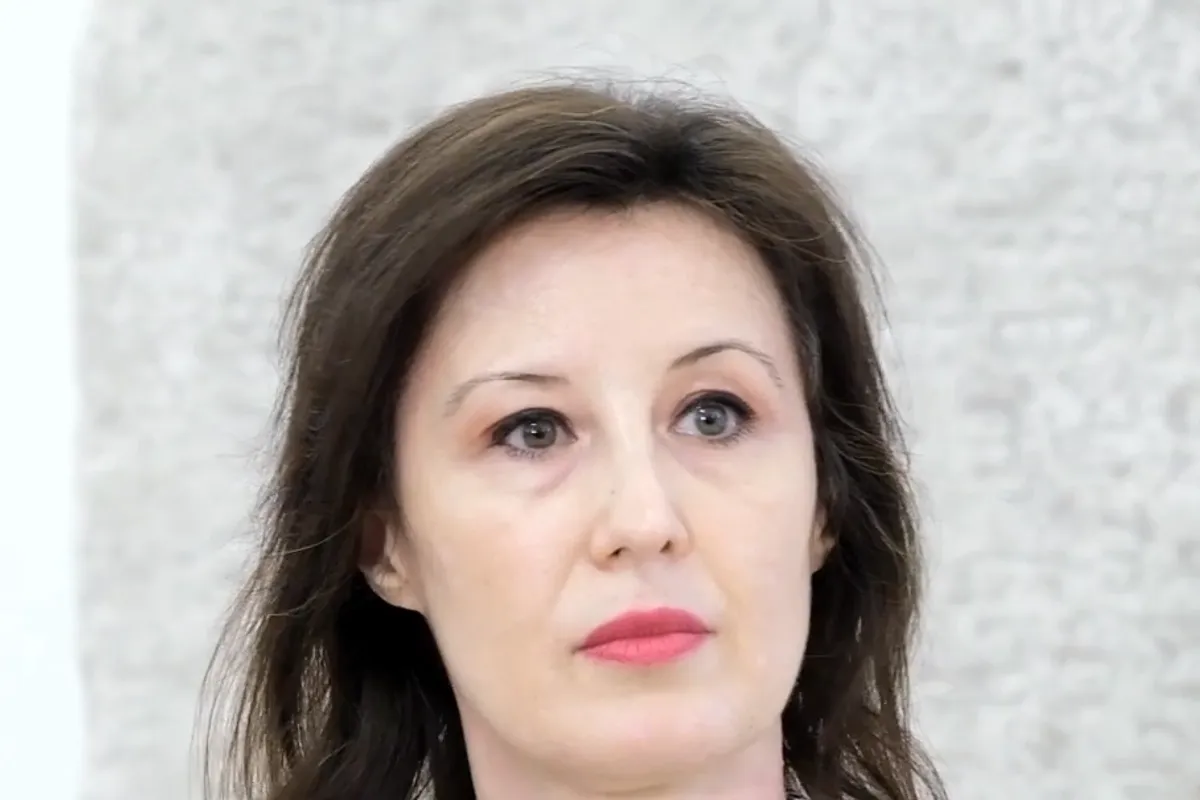
Dalija Orešković, a critic of the state leadership, has sharply called out the authorities for what she sees as their tacit allowance of the celebration of the military-police operation Storm being associated with the Ustasha salute "Za dom spremni." The trigger for her reaction was today's commemoration of Storm, on August 5, 2026, where supporters of Dražen Keleminec shouted this unconstitutional salute.
"If we were a state governed by the rule of law, Keleminec and those like him would not be able to shout 'Za dom spremni' at today's Storm commemoration. Three decades have passed, and our state leadership still cannot take a clear stance on a very simple issue," Orešković wrote in a post on social media.
Orešković stated that behind the official and courteous speeches of the authorities, there is no reaction to the symbols of the Ustasha regime that appear on streets, in stadiums, and at concerts. In her post, she emphasized that it is precisely this silence that carries a powerful message.
"There is something in that silence. Sometimes it is the loudest sound you can hear," she noted, suggesting that the absence of a clear condemnation from the state leadership actually encourages those who use the controversial salute.
She also addressed the frequent claims that such occurrences should simply be ignored. Orešković believes that it is precisely the years-long practice of ignoring that has led to a distorted image of the Homeland War among young people.
"The image of Storm today is the one sent outside the official protocol. A Storm we fought with the Ustasha cry from World War II. Because the authorities allow it," Orešković concluded, alluding to the fact that due to the authorities' passivity, a wrong perception of the character of the Homeland War is being created in the public.