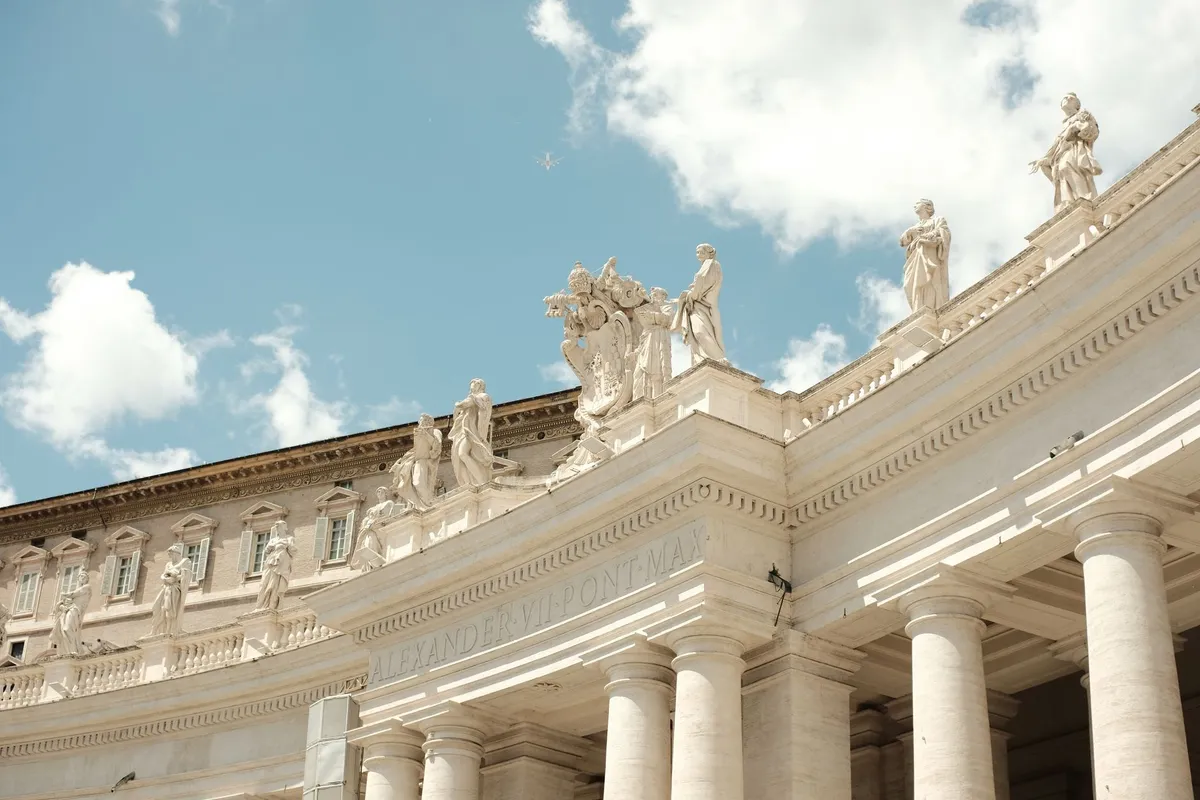
Pope Leo XIV delivered a powerful message to the faithful during his midday address on Sunday, August 2, 2026, in St. Peter's Square in the Vatican. Before the Angelus prayer, the head of the Catholic Church reflected on the Gospel scenes, highlighting Jesus' role not only as one who feeds physically, but also fulfills the deepest human longing for truth and life.
As reported by Vatican News, the Holy Father emphasized that Christ's miracles are not merely extraordinary events, but a concrete expression of God's love and a sign of salvation. "In the same way, Jesus gives food to those who are hungry: the miracle of the multiplication of loaves shows that an encounter with the Lord is an experience that nourishes," Pope Leo XIV said.
Two Sides of the Same Disease: Hoarding and Waste
At the heart of the Pope's message was a warning about two interconnected dangers of the modern age: hoarding and waste. He described both as symptoms of the same "disease of the soul", greed. "This disease of the soul dulls the senses because it intoxicates us with wealth to the point that we forget those who weep from hunger and cry out from thirst," the Pope said.
Reflecting on the image of the desert as a place of scarcity, the Pope pointed out that God's providence knows no bounds and that its gifts are meant for all. "Christ truly satisfies the hunger of humanity, our hunger for truth and life. His gesture teaches us that nothing is wasted when it is shared," he emphasized.
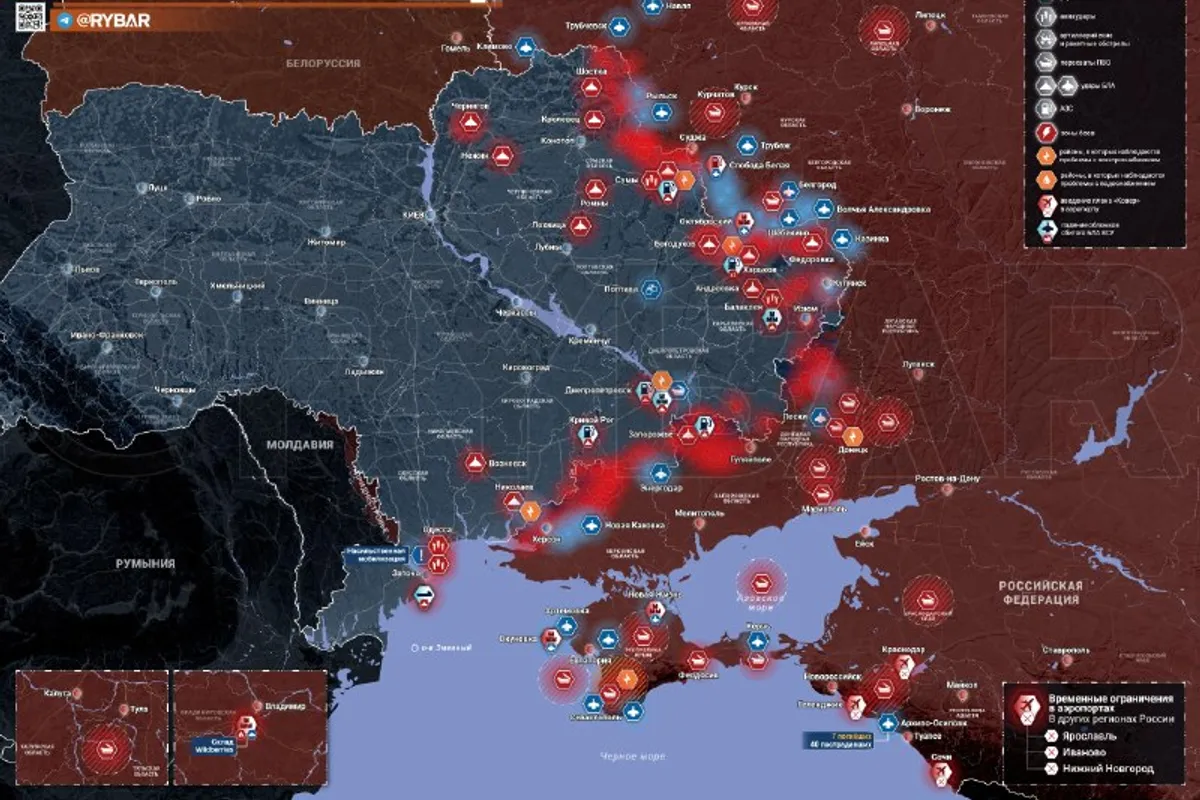
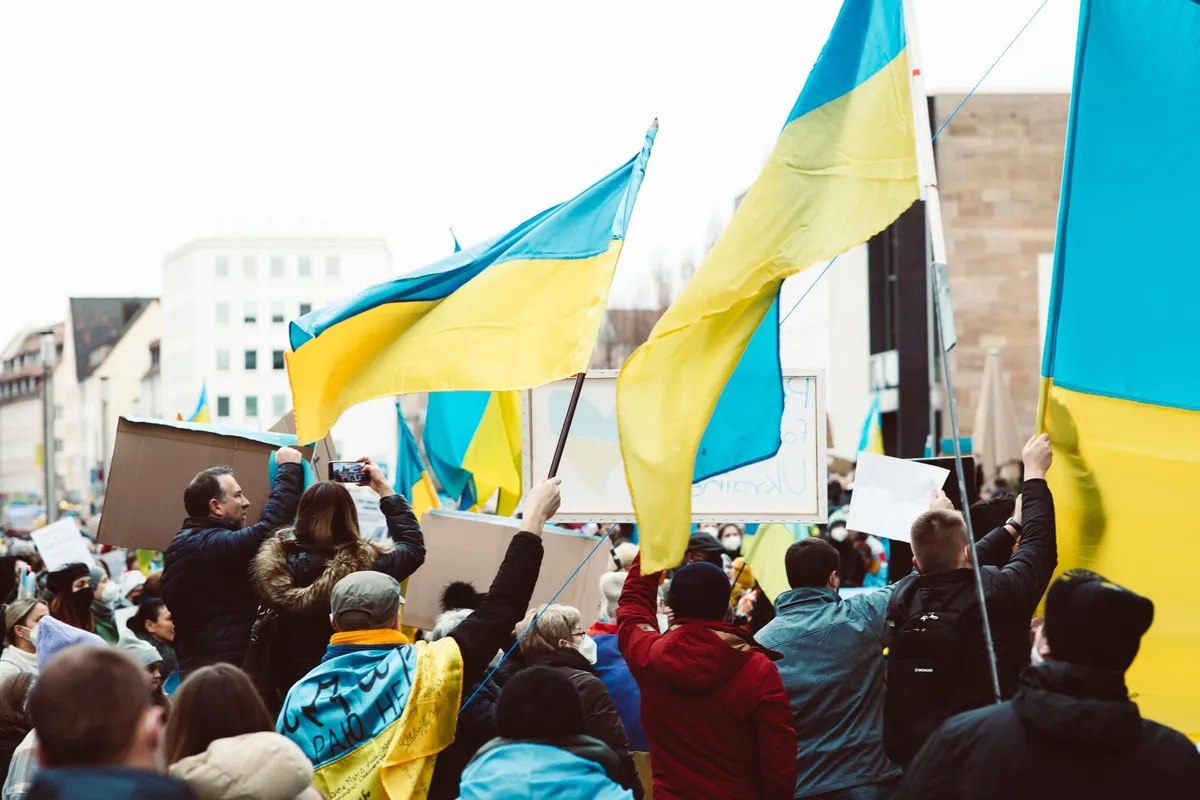
A Response to the 'Deserts of War'
The Pope did not shy away from the harsh realities of the world, highlighting the contrast between abundance that "stinks of decay" and the sight of outstretched hands of the hungry and the burned homes of those who have lost peace. In this context, he spoke words that resonate as the central message of his address: "We are faced with the deserts of war."
As a counterbalance to this desert, he called on the faithful to follow Jesus' example, to lift their eyes to heaven, pronounce a blessing, and break the bread to share it with the crowd. He stressed that this is a miracle of love whose fundamental gestures culminate at the Last Supper.
The Eucharist Visible in Everyday Actions
Concluding his address, the Pope called for the beauty of the Eucharist to be lived not only through rituals, but also through everyday actions. As an example, he cited the blessing of meals at the family table and shared meals with friends. He also said that time of rest can become a time of true peace if people open their hearts to those in need of help.
Pope Leo XIV ended his address with a prayer to the Blessed Virgin Mary to help people grow in love, so that no one would lack their daily bread.