Beekeepers Can Receive Up to €25,000
Applications are submitted via AGRONET starting August 1, but digitalization is not complete, a signed confirmation must be sent by mail or delivered in person, and invoices must be manually marked.
Applications are submitted via AGRONET starting August 1, but digitalization is not complete, a signed confirmation must be sent by mail or delivered in person, and invoices must be manually marked.
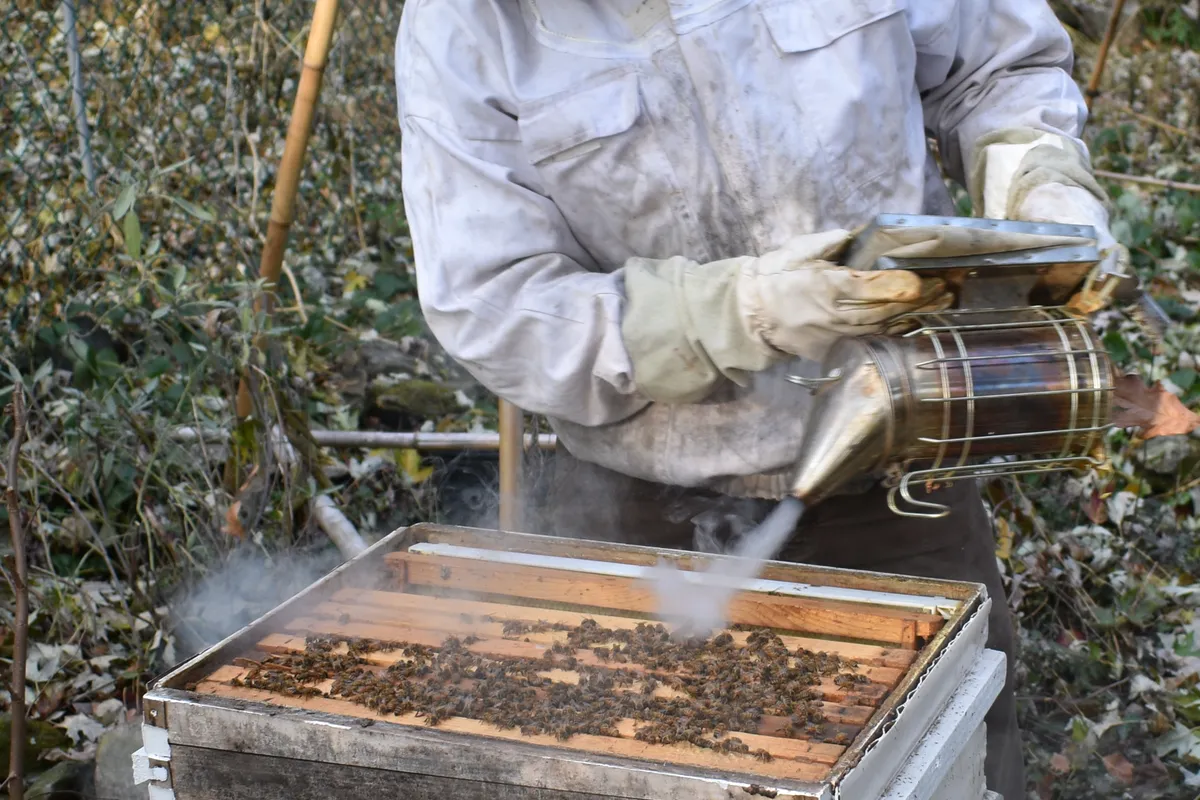
Croatian beekeepers can submit applications for subsidies under the new Rulebook on the Implementation of Interventions in the Beekeeping Sector for 2027 starting August 1, 2026. The intervention year runs until July 31, 2027, with maximum subsidy amounts reaching €25,000 for those with at least 250 hives.
Although applications are filled out in the AGRONET digital application, the process is not entirely paperless. After entering data and uploading documentation, each user must print the Application Submission Confirmation, sign it by hand (legal entities must also stamp it), and deliver the original to the Paying Agency, either by registered mail or in person at the office. The official submission date is not the moment of entry into AGRONET, but the date the signed confirmation is sent or delivered.
An additional obligation is marking the invoices. Each original invoice must include the first and last name, or the name of the user, and their OIB. The applicant must then manually write the label 'ISP, current intervention year' on the invoice. Only documentation prepared in this way is considered acceptable.
Beekeepers registered in the Register of the Common Market Organization and updated in the Beekeepers and Apiaries Registry are eligible for subsidies. The minimum subsidy per user is €150, and the maximum amounts depend on the number of hives. Beekeepers with 1 to 49 hives can receive up to €5,000, those with 50 to 149 hives up to €10,000, those with 150 to 249 hives up to €15,000, while those with at least 250 hives can expect up to €25,000.
For the purchase of new tools, supplies, and equipment, a reimbursement of up to 100 percent of eligible costs is possible, but the final amount depends on the prescribed maximum amounts and the available budget. If total applications exceed the funds, individual amounts will be proportionally reduced. For equipment on the list for which no maximum eligible amount is specifically determined, the highest subsidy is €661 per item.
For varroa control, conventional beekeepers can receive up to €4.50 per hive, and organic beekeepers up to €5.20. For migratory beekeeping, where the condition is a minimum of 30 registered hives, amounts range from €5,000 for 30 to 50 hives, through €10,000 for 51 to 150 hives, up to €15,000 for those with 151 or more hives.
The subsidy for selected queen bees is up to €13.50 per unit, and queens must be purchased from breeders registered in the Beekeepers and Apiaries Registry and the Queen Breeders Register.
The annual report on apiary production indicators is sent to the Ministry of Agriculture, Forestry, and Fisheries in printed form, from October 1 to December 31, 2026. For equipment purchase, disease control, and migratory beekeeping, applications are submitted until April 20, 2027. Education and professional lectures have a deadline of May 31, laboratory analyses until July 15, and selected queens until July 31, 2027.
Users are required to use the equipment for its intended purpose, keep records, and retain ownership for the prescribed period, with the obligation to keep documentation and allow inspections by the Paying Agency.