Pentagon Without a Strategy for Iran
U.S. Central Command admits there is no clear path to ending the conflict, as stocks of key munitions dwindle and costs exceed $37 billion.
U.S. Central Command admits there is no clear path to ending the conflict, as stocks of key munitions dwindle and costs exceed $37 billion.
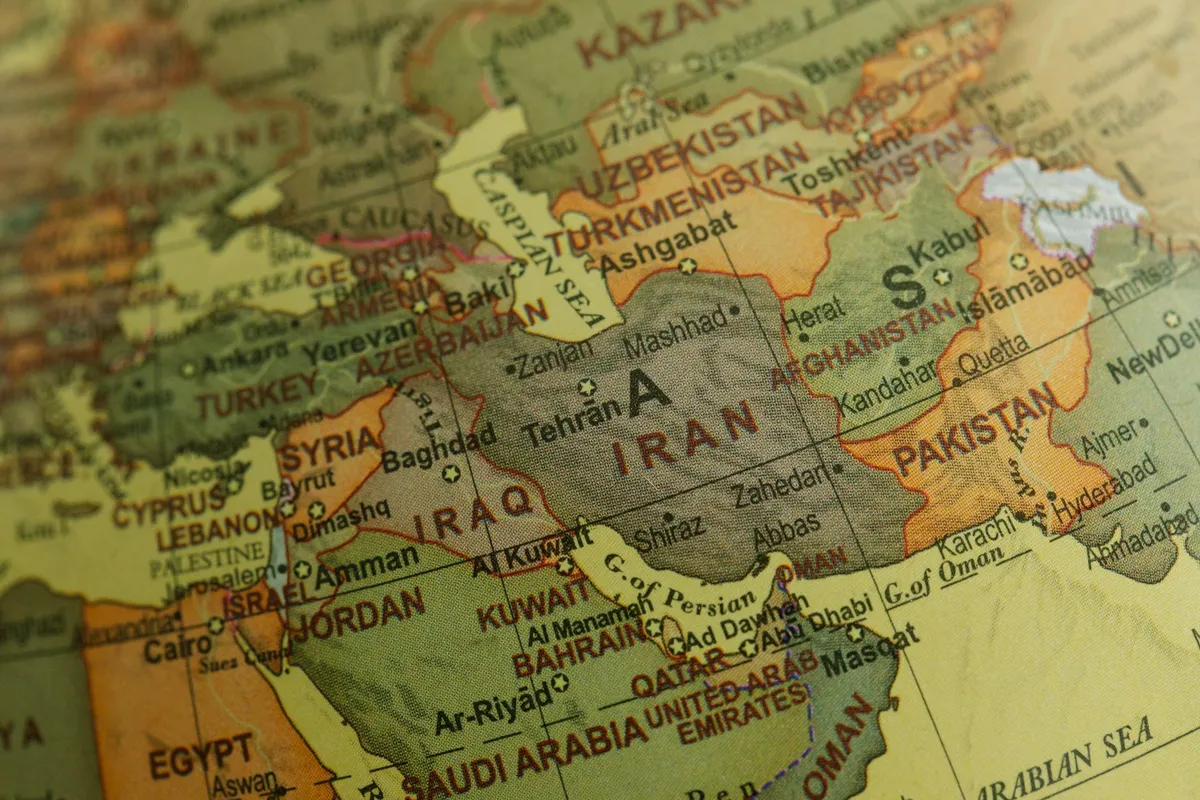
The U.S. Central Command (CENTCOM) faces a serious strategic challenge in the war against Iran. Not only are interceptor stocks for Patriot and THAAD systems severely depleted, but it also appears that ideas for ending the conflict have run dry. On Wednesday, a CENTCOM intelligence officer asked a broad group of military analysts for "new, creative, and unconventional ways to pressure and punish Iran," sparking an electronic discussion in search of alternative solutions.
Another source indicates that CENTCOM is considering absolutely all options and acknowledges that the war strategy needs to be revisited. Captain Timothy Hawkins, a CENTCOM spokesperson, defended the command's approach in a statement relayed by CNN: "U.S. Central Command has a long tradition of innovative thinking and work." He added that "Admiral Cooper, in particular, often seeks input from members of our team, regardless of rank, to achieve the highest possible level of operational effectiveness."
Although CENTCOM relied on artificial intelligence systems in developing its war strategy, even they failed to generate a solution that would lead to victory. The fact that the command is now openly seeking external ideas suggests there is no clear consensus within the Pentagon on the next steps.
President Trump, who has repeatedly declared victory over the Iranian regime, has become anxious and frustrated with the situation's development. On Friday, at Camp David, he "lined up" Defense Secretary Pete Hegseth, asking how he had been misinformed about the available quantities of weapons. Trump reportedly said he thought the problem was "solved," according to two people familiar with the matter who spoke to The Washington Post.
Hegseth blamed his deputy, Stephen Feinberg, for the shortages, claiming he had not ensured the president was fully briefed on the situation. White House spokesperson Karoline Leavitt fiercely denied The Washington Post's report, calling it "100 percent fake news."
According to an analysis by the Center for Strategic and International Studies (CSIS), the U.S. military had 2,330 Patriot missiles and 452 THAAD missiles before the conflict began. An estimate as of July 27 indicates that between 759 and 827 Patriot missiles and between 234 and 278 THAAD missiles remain. As early as March, it was reported that the U.S. and Israel had expended nearly all stocks of the most advanced munitions in the first weeks of the war, including Arrow 2 and 3 missiles, ATACMS and PrSM precision ballistic missiles, Tomahawk cruise missiles, and AGM-158 JASSM/JASSM-ER.
Despite devastating strikes on Iran's navy, missile positions, and civilian infrastructure, including energy facilities and transportation routes, the U.S. has failed to achieve its key objective. Iran now absolutely controls the passage of oil and goods through the Strait of Hormuz, and even the world's most powerful naval force cannot change that. Precision strikes changed the government in Tehran, but eliminated all civilian and military leaders with negotiating potential, replacing them with more radical leaders.
Iran's military doctrine, designed to function even after the destruction of several command levels, has no "switch" to stop the war once negotiating conditions are met. Iranian units now operate independently, continuing strikes on Saudi Arabia, the United Arab Emirates, Kuwait, and Bahrain-countries that host U.S. forces. The Central Intelligence Agency (CIA) and the Defense Intelligence Agency (DIA) have assessed that the current bombing is unlikely to change Iran's negotiating stance.
General Dan Caine, Chairman of the Joint Chiefs of Staff, has warned of the growing shortage of interceptors and air defense missiles, acknowledging that airstrikes are unlikely to achieve all the goals Trump used to justify the war. Secretary Hegseth stated a month ago that U.S. operations against Iran have so far cost about $37.5 billion, and he has requested an additional $67 billion from Congress, including for replenishing the arsenal.