Climate change is hitting Croatian waterways harder than ever, and we are witnessing scenes never seen before. The Drava River, often called the Croatian Amazon, has dropped to a historic low, with its water level decreasing day by day. The situation is so alarming that parts of the riverbed, once crossed by boats, can now be traversed on foot.
Unprecedented Scenes on the Drava: Water Recedes, Leaving Dry Land
In the areas of Halaš Čarda and Podravska Selnica, places along the Drava, the landscape increasingly resembles a desert rather than a river region where generations grew up. Rafting spots and former bathing areas are now sandbars and dry land. Locals are stunned by scenes they describe as apocalyptic.
Branko, who has been coming to the Drava for over 60 years, does not hide his shock. "I've been coming here for 60 years, and it's never been this low. I used to need a boat, but today I can walk across to the other side. The fish are gone; only snakes and mosquitoes are left," he told ePodravina.
Locals Point to Climate Change
Damir and Verica, locals we met at Halaš Čarda, share similar thoughts. Their concern goes beyond the current situation. "This is a natural disaster, and we fear it will only get worse. People are to blame for climate change. Once, every other house had one car, but now almost every household has two or three. Droughts are becoming more frequent, and we see the consequences before us," they said.
Biologist: A Consequence of Lack of Snow in the Alps
Koprivnica-based biologist and researcher Goran Šafarek offered an expert explanation for this state of affairs. He points out that the cause of the extremely low water level of the Drava is far from the Podravina region itself. "There is less and less rain and snow in the Alps, where the Drava originates, resulting in low water levels because there simply isn't water flowing down from the mountains into the rivers. It's hard to say or predict anything, as this is something we are encountering for the first time in our area," Šafarek said.
He adds that animals whose natural habitat is water are already feeling the greatest consequences. Whether the Drava will recover will depend on the amount of rainfall during August. With the disappearance of water, there are also warnings about the emergence of new invasive species and the risk of diseases and infections that accompany such ecological changes.
Novčica near Gospić: A River That No Longer Flows but Trickles
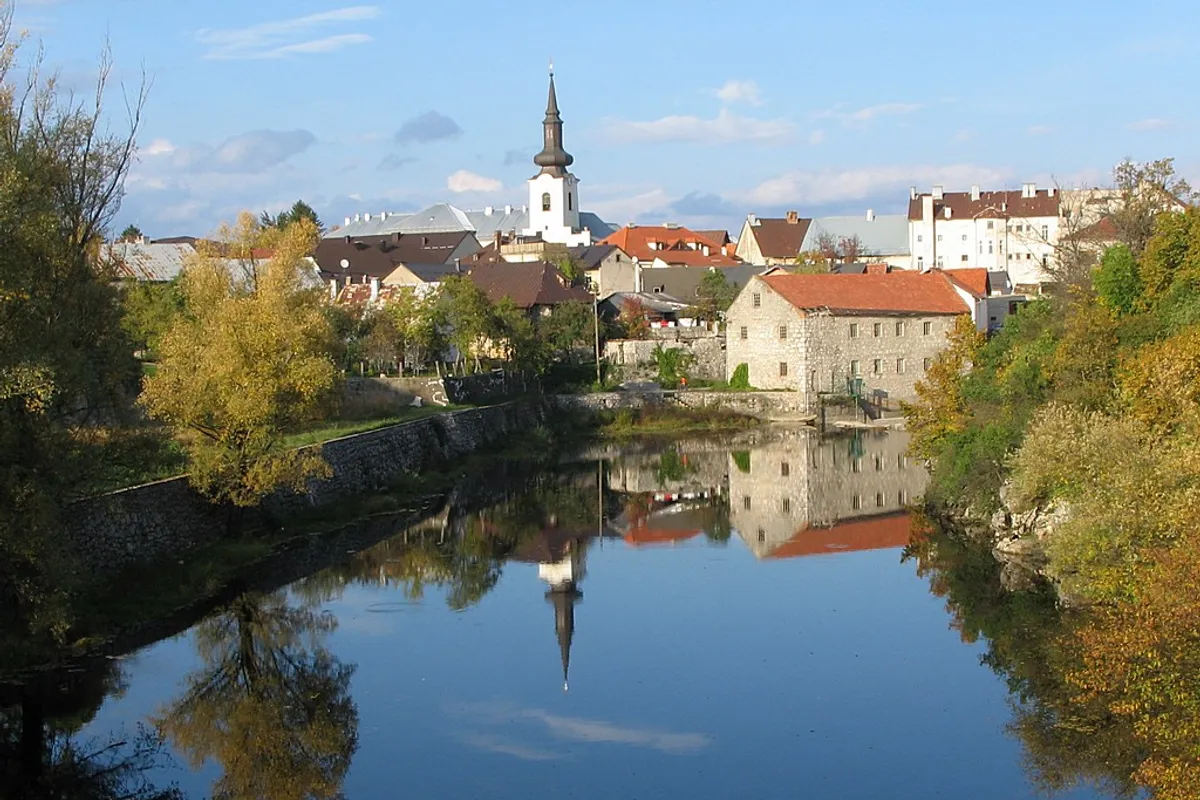
The situation in Lika is no better. The Novčica River, the largest tributary of the Lika River, stretching 29 kilometers, has drastically reduced its water level. A photo taken near the center of Gospić shows a concerning state. Due to its characteristics, the water temperature in the Novčica is always 3 to 4 degrees Celsius higher than the surroundings, meaning it can reach up to 40 degrees Celsius on hot days.
In the rocky crevices of the riverbed, fishermen and children are now finding shells of dead river mussels and dead river crayfish. All who love this river fear an imminent fish kill if heavier rains do not fall soon. Besides the Novčica itself, all other tributaries of the Lika River have dried up in the past month or two.