Australia's First Mass Bird Die-Off: H5N1 Reaches the Most Remote Continent
Avian flu virus kills dozens of great crested terns; authorities warn of further spread among wildlife.
Avian flu virus kills dozens of great crested terns; authorities warn of further spread among wildlife.
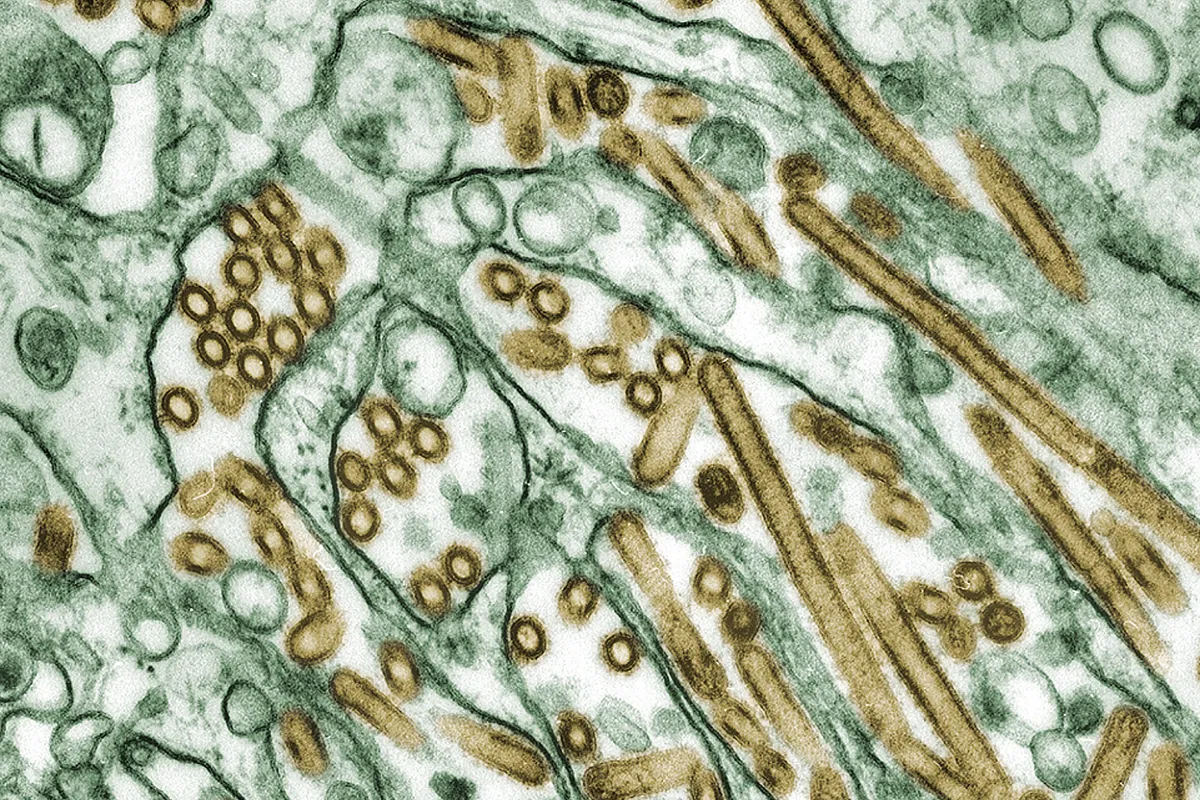
Australia has recorded its first mass die-off of wild birds caused by the H5N1 avian flu virus, officially placing the continent-long prepared for its arrival-on the global map of the spread of this dangerous strain. Around 50 great crested terns have died along the coast south of Adelaide.
On Monday, August 3, 2026, authorities reported that testing confirmed the presence of H5N1 avian flu in 49 dead and 35 sick terns. They were found during a helicopter survey on Friday on rocks near Cape Jaffe, a site about 250 kilometers from Adelaide.
Australia's Agriculture Minister Julie Collins said such losses were expected. "Unfortunately, we know that once the H5 virus spreads among wildlife and in the natural environment, large losses are unavoidable. We are now beginning to see the first consequences," Collins told the Australian ABC.
The minister also issued a serious warning to citizens. "Australians should expect further spread of the virus and a greater number of affected wild animals," she said, confirming this is the first documented case of mass wild bird mortality in the country.
According to figures provided by Minister Collins, Australia has so far confirmed 74 cases of infection, distributed across the states of South Australia, Western Australia, and Queensland, with the highest number recorded in South Australia.
Azernews, citing ABC, reports a slightly different figure of 78 confirmed cases of H5 avian flu in wild birds, with a more detailed breakdown: 58 cases in South Australia, 10 in Western Australia, 7 in Victoria, 2 in New South Wales, and 1 in Queensland. Sources thus disagree on the total-Net.hr cites 74, while Azernews reports 78-but the difference is minimal.
Although the virus has been confirmed in wild birds, there is currently no evidence that it has spread to Australian poultry farms. Since the virus was first detected in June 2026, many birds have been placed in quarantine to protect flocks. Minister Collins confirmed there have been no recorded infections in domestic poultry or on commercial farms.
According to health experts, the risk to the general public is currently low. While H5N1 can infect people who come into contact with sick animals, such cases are extremely rare globally. Recently, the virus has also affected cattle in the U.S., and mass die-offs of birds and seals have been recorded on many coastlines.
Australia and neighboring New Zealand, which recorded its first H5N1 case last month, have been preparing for the virus's arrival for years through enhanced biosecurity on farms, testing of coastal birds, and vaccination of particularly vulnerable animal species.