Raste vodostaj Dunava: Nuklearka Paks možda izbjegne gašenje
Energetska kriza u Mađarskoj i Rumunjskoj zbog rekordno niskog vodostaja Dunava polako popušta, no situacija je i dalje kritična.
Energetska kriza u Mađarskoj i Rumunjskoj zbog rekordno niskog vodostaja Dunava polako popušta, no situacija je i dalje kritična.
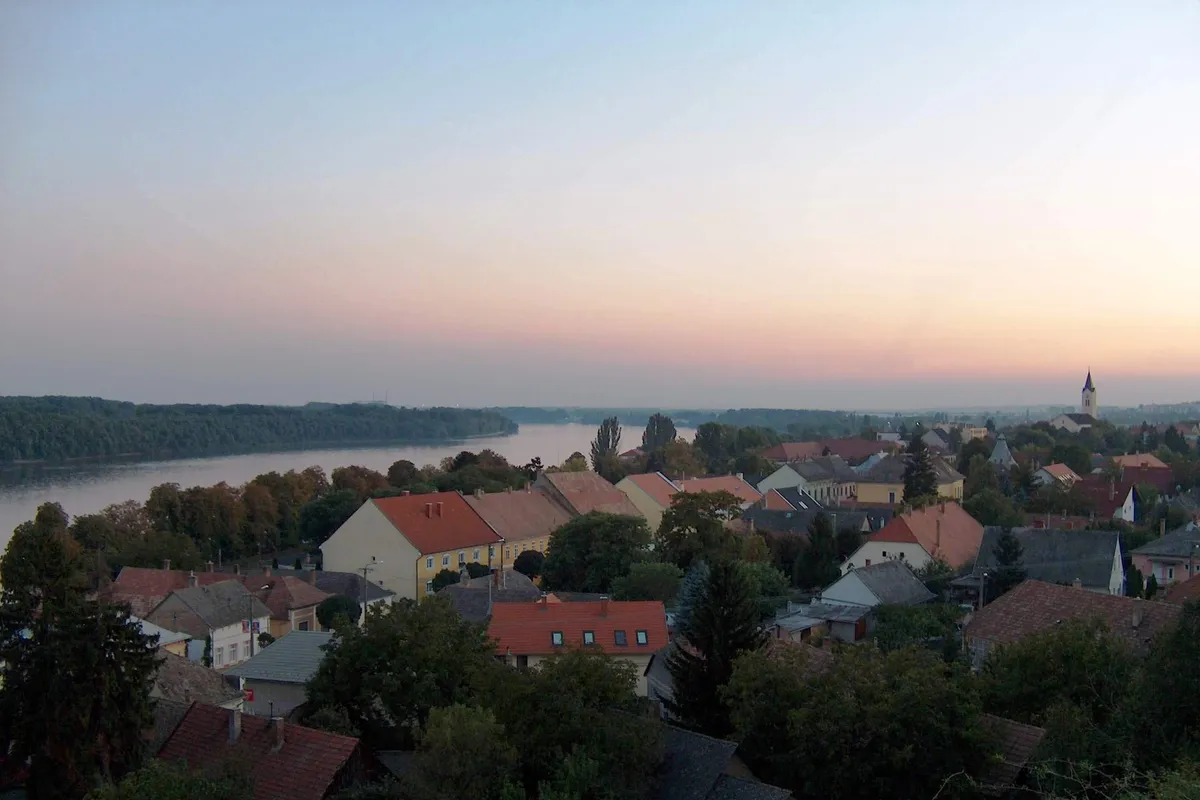
Razine vode na Dunavu počele su rasti, donoseći tračak nade u energetsku krizu koja već danima potresa Rumunjsku i Mađarsku. Rekordno nizak vodostaj, uzrokovan dugotrajnim toplinskim valom, doveo je jedine nuklearne elektrane u obje zemlje na rub potpunog gašenja. Ipak, najnoviji podaci ukazuju na blagi oporavak, što bi moglo spriječiti najcrnji scenarij.
Mađarski premijer Péter Magyar u četvrtak rano ujutro objavio je na Facebooku da je razina Dunava porasla 9 centimetara u odnosu na najnižu točku zabilježenu u nedjelju. Istovremeno, najavljena je kiša u područjima Austrije koja se ulijevaju u rijeku. "Malo optimističniji", opisao je Magyar najnovije prognoze, prema izvješću Rybara.
Nuklearna elektrana Paks, koja inače pokriva oko polovicu mađarskih potreba za električnom energijom, radi na drastično smanjenom kapacitetu. Prema podacima mađarske vlade, Dunav je kod Paksa u 24 sata porastao za četiri centimetra, a u srijedu u 7 sati ujutro iznosio je -134 centimetra. Temperatura vode na mjernoj stanici iznosila je 27,9°C. Posljednja od osam turbina, snage 240 megavata, i dalje je u pogonu. "Danas, a možda i sutra, nastavit će s radom posljednja turbina", izjavio je ranije premijer Magyar.
S druge strane granice, Rumunjska je krajem srpnja proglasila nacionalni režim hitnog odgovora za cijeli kolovoz. Odluku je donio premijer Ilie Bolojan nakon što je proizvodnja električne energije naglo pala. Nuklearna elektrana Cernavodă, jedina u zemlji, u normalnim uvjetima osigurava oko 20 posto potrošnje. No, jedan od dva reaktora zaustavljen je krajem prošlog tjedna upravo zbog niskog vodostaja.
Kako bi spasili drugi reaktor, rumunjska vojska izvela je početkom kolovoza kontroliranu eksploziju podvodne stijene na Dunavu, koristeći 180 kilograma eksploziva. Cilj je bio preusmjeriti više vode prema rashladnom sustavu. Vršitelj dužnosti ministra obrane Radu Miruță ocijenio je operaciju uspješnom, ali je upozorio da bi bez dodatnih mjera stanica mogla početi s pripremama za zaustavljanje već u srijedu ili četvrtak. "Svaki dan nakon srijede ili četvrtka kada elektrana nastavi s radom je pobjeda", rekao je Miruță.
Obje zemlje sve više ovise o skupom uvozu električne energije. Rumunjska državna tvrtka Nuclearelectrica potvrdila je da kupuje energiju iz Ukrajine uz podršku moldavskog dobavljača Energocom. Bukurešt također pregovara o uvozu s Grčkom i Bugarskom. U Mađarskoj, zamjenik čelnika vladajuće stranke "Tisa" Márk Radnai procijenio je da bi kriza zbog rasta cijena uvoza mogla stajati zemlju između 100 i 200 milijardi forinti (300 do 600 milijuna dolara).
Ministar gospodarstva i energetike István Kapitány potvrdio je da su domaće elektrane u pogonu i da je uvoz osiguran, ali je ponovno pozvao industrijske i kućne potrošače na smanjenje potrošnje. Dobrovoljno smanjenje potrošnje u nedjelju već je smanjilo potražnju za 700 megavata, što je značajno rasteretilo sustav.
Kako bi se osigurao siguran rad nuklearke Paks u ovim ekstremnim uvjetima, na crpnim postrojenjima raspoređeno je 16 pumpi, s dodatne četiri u luci i 11 u pričuvi na obali. Elektrana, izgrađena po sovjetskom projektu u razdoblju od 1970-ih do 1980-ih, u normalnim uvjetima radi na četiri bloka ukupne snage od dva gigavata. Rumunjska Cernavodă, koju su 1980-ih gradili Kanađani i Talijani za vrijeme Nicolaea Ceaușescua, suočava se sa sličnim izazovima hlađenja.