FSB filed an indictment against Telegram's founder on terrorism charges
FSB claims over 153,000 criminal acts committed via the app, including coordination of terrorist attacks; announces extradition request through Interpol
FSB claims over 153,000 criminal acts committed via the app, including coordination of terrorist attacks; announces extradition request through Interpol
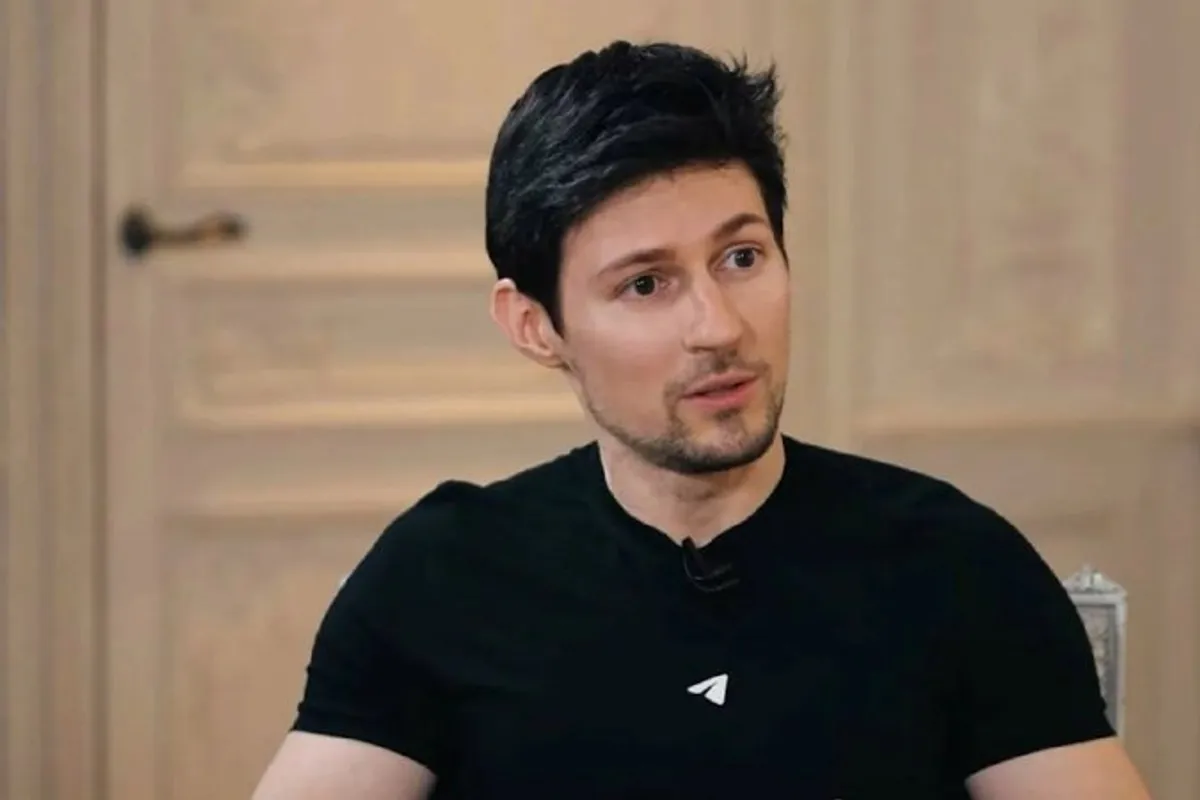
Russia's Federal Security Service (FSB) filed charges on Wednesday against Telegram founder and director Pavel Durov for aiding terrorist activities. Simultaneously, an international arrest warrant has been issued for him, Russian agencies and world media report, with Index.hr among the first to carry the news in Croatian.
In a statement carried by the TASS agency, the FSB states that Durov has been charged "as part of an ongoing criminal investigation, and an international arrest warrant has been issued for his detention." The key complaint of Russian security services, as reported by Wargonzo citing the FSB, is that the platform systematically ignores requests to block resources "used by Ukrainian special services to coordinate terrorist attacks and plan mass killings on the territory of Russia."
According to reports that Index.hr relays from Russian state media, the FSB claims that since the start of the war in Ukraine, more than 153,000 criminal acts have been committed via Telegram. Among these, as stated, are 33,000 cases linked to sabotage, terrorism, and extremism. Russian regulator Roskomnadzor has sent Telegram over 150,000 requests to remove illegal content, but the company has allegedly ignored them.
The state daily Rossiyskaya Gazeta, citing FSB materials, claims that thanks to the work of security services, 475 terrorist attacks allegedly planned via Telegram have been prevented. Among these, according to the same claims, were 61 planned attacks on schools. The app was also used to coordinate the terrorist attack on the Crocus City Hall concert venue in March 2024, Russian authorities state.
Special attention is given to the recruitment mechanism: according to the Wargonzo Telegram channel, employees of Ukrainian special services, posing as girls, used the built-in dating service to connect with young Russians and lure them into terrorist activities. From July 2025 to date, 46 people have been arrested in 16 Russian regions for attacking police officers and starting fires on the instructions of their handlers. The material damage from criminal activities linked to Telegram in Russia is measured in billions of rubles, the same sources claim.
Lawyer Vladimir Zherebenkov told TASS that this is a standard procedure: "A Russian court issues an arrest warrant in absentia, after which Russian law enforcement agencies seek his extradition, including through Interpol. Durov will likely face the same."
Military blogger Boris Rozhin, known by the pseudonym Colonel Cassad, wrote on his Telegram channel: "Pasha Durov has been placed on an international wanted list. In Russia, he is charged with aiding terrorist activity. Durov refuses to remove channels used to organize terrorist attacks." Durov and Telegram have not commented on the charges, Reuters reports.
Russian authorities already declared Telegram a threat to national security in February 2026. According to Index.hr, Pavel Durov then accused the Kremlin of deliberately restricting access to the app in order to force citizens to use the state messenger MAX. At the same time, Russian military bloggers report contradictory orders: some claim soldiers must delete Telegram and switch to MAX, while others state that the use of MAX in combat zones is banned due to security flaws.
Telegram, founded in 2013, has over one billion monthly active users and is widely used on both sides of the Russian-Ukrainian war. Durov, born in Russia, now holds citizenship of the United Arab Emirates and France. French authorities are already conducting an investigation into him over claims that Telegram did not adequately combat criminal activity on the platform, which Durov denies. It is certain that his fate will depend on which country detains him; if a Russian court proves guilt, he faces a prison sentence including life imprisonment.