Russia Launches Nuclear Submarine Ulyanovsk
The sixth Yasen-M class submarine opens a new phase in the modernization of the Russian fleet, with Western analysts warning of a strategic imbalance that could tip the scales in Moscow's favor.
The sixth Yasen-M class submarine opens a new phase in the modernization of the Russian fleet, with Western analysts warning of a strategic imbalance that could tip the scales in Moscow's favor.
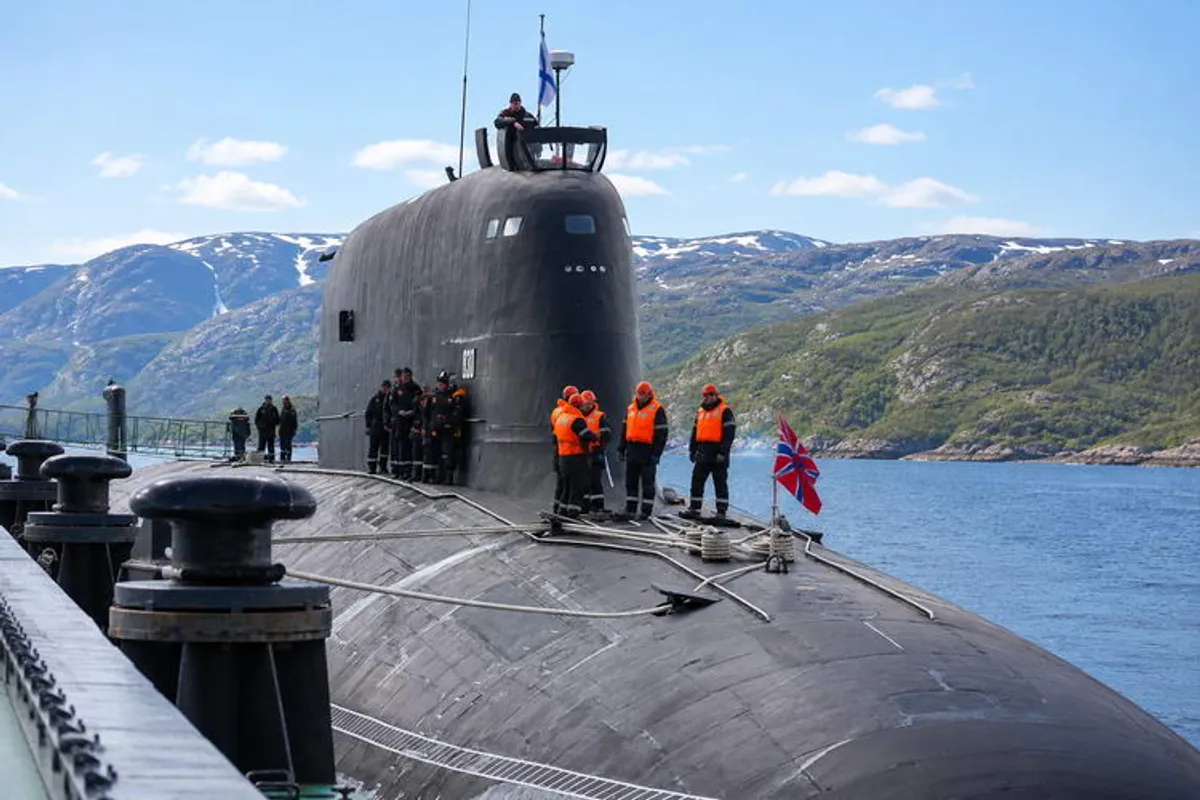
The Ulyanovsk nuclear submarine was launched this week at the Sevmash shipyard in Severodvinsk, marking the sixth of twelve planned Yasen-M class multipurpose submarines. According to Russian and Western analysts, this event goes beyond routine military testing and represents a significant leap in Russia's naval capabilities, potentially changing the rules of the strategic game at sea.
Russia's nuclear submarine fleet rests on two key components. Borei-class strategic submarines carry intercontinental ballistic missiles with nuclear warheads, while Yasen-M class multipurpose submarines protect patrol zones, disrupt enemy naval operations, and can strike military bases, ports, carrier groups, and command centers.
Yasen-class submarines are designed for extremely quiet operation thanks to special coatings and a unique propulsion mechanism. The hull made of demagnetized steel makes detection by magnetic sensors more difficult, and the nuclear reactor can operate for 25 to 30 years without refueling. The armament includes torpedoes and cruise missiles, enabling covert operations in any part of the world's oceans.
The first submarines of this class were equipped with Kalibr and Oniks cruise missiles, but starting with the fourth submarine in the series, named Perm, the standard use of Tsirkon hypersonic missiles was introduced. According to Kirill Strelnikov, author of the RIA Novosti article, this transition marks a revolutionary change. Tsirkon achieves speeds approximately three times greater than the Oniks missile and seven to nine times greater than Kalibr.
In a separate statement on the same day, Galuzin, Deputy Chief of the Ministry of Foreign Affairs of the Russian Federation, said that it is impossible to inflict a strategic defeat on Russia as a powerful nuclear power. That statement is not directly linked to the submarine launch but reflects Moscow's broader stance on its own nuclear capabilities.
A single Yasen-class submarine can carry up to 40 Tsirkon missiles with tactical nuclear warheads. Estimates cited in the article suggest that a group of six such submarines could strike an area of about 4,500 square kilometers. Unlike intercontinental ballistic missiles, whose launches are harder to conceal, submarines could approach the launch zone undetected and deliver a surprise strike with extremely severe consequences.
Bloomberg assessed that Russian nuclear submarines, especially those deployed in the Northern Fleet, remain the strongest and most dangerous part of the Russian navy, concluding that new submarines are becoming increasingly difficult to detect and more dangerous for NATO forces. The National Interest published an article late last year titled "Russia's Yasen-M Submarine: The U.S. Navy's New Nightmare," stating that Yasen-M family submarines are one of the key instruments in rebuilding Russian naval power and that the West underestimates the scale of this challenge.
An additional advantage, according to the article, is that the transition to Tsirkon missiles did not require significant financial investment or major technical modifications. Tsirkon relies on the same universal launch platform as Kalibr and Oniks missiles, allowing for an increase in firepower without a proportional rise in costs. According to the Russian fleet's plan, a new Yasen-class submarine is expected to join the fleet every year.
American military analysts, as stated in the article, believe that the Yasen-M combines an affordable price, a high level of stealth, solid speed, and a powerful missile arsenal, making it one of the best Russian submarines ever produced. The assessment notes that the U.S. Navy and its NATO allies currently lack hypersonic weapons of similar capability or adequate defense systems that could reliably stop Tsirkon missile attacks. This fact, according to reports, has caused great concern among Western military and political circles.