Russian Forces Within 10 km of Kramatorsk and Sloviansk
Analysts warn that fighting for these key fortified cities could begin by year's end, as Ukrainian defenses show signs of exhaustion.
Analysts warn that fighting for these key fortified cities could begin by year's end, as Ukrainian defenses show signs of exhaustion.
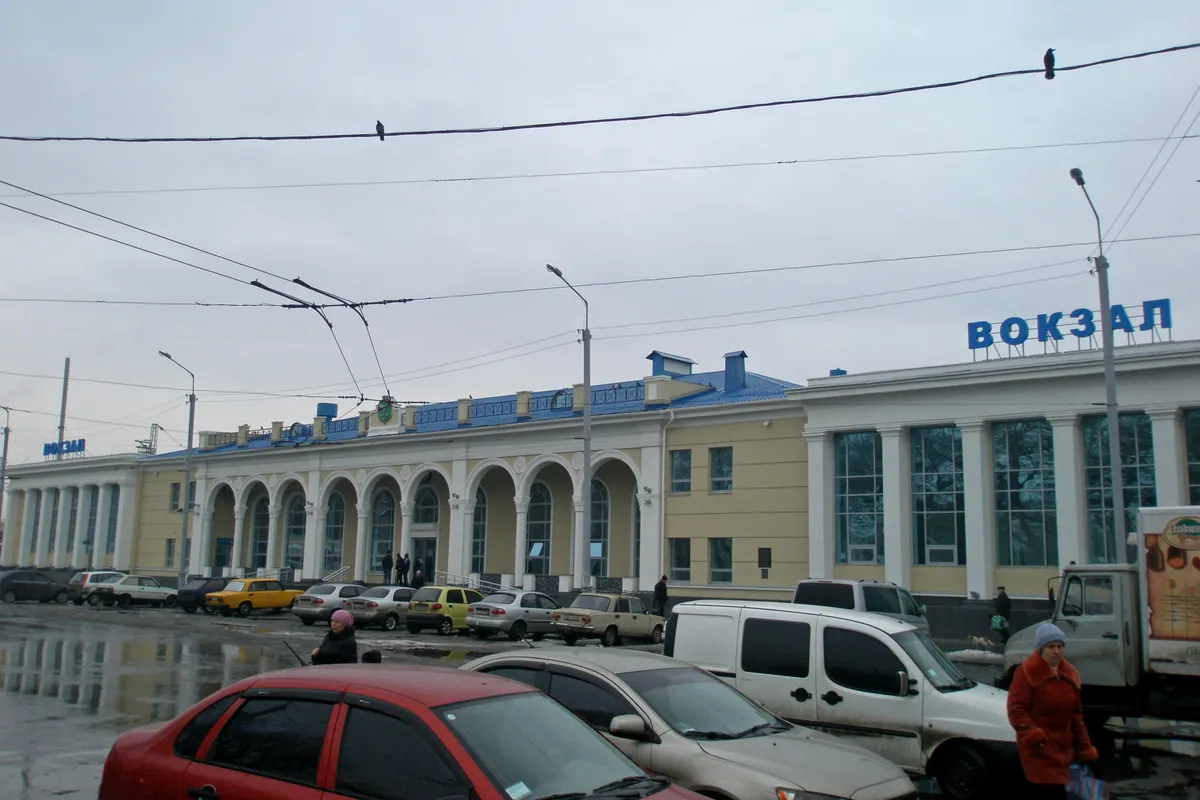
Russian forces have advanced to within less than ten kilometers of the cities of Kramatorsk and Sloviansk in eastern Ukraine, posing a serious threat to these last major fortified strongholds in the region. In response to the deteriorating security situation, Ukraine ordered the evacuation of civilians from Kramatorsk on Wednesday, August 5, 2026, according to the AFP news agency.
These two cities, which before the war had populations of over 160,000 (Kramatorsk) and 110,000 (Sloviansk), are now within range of Russian drone attacks. "Sloviansk and Kramatorsk are very firmly within range of Russian drone strikes," said Pasi Paroinen, an analyst at the Blackbird Group, which monitors the war from open sources.
Paroinen estimates that it is realistic for fighting for these cities to begin in the autumn. "It is possible that fighting for these cities could start in the autumn. On the other hand, one could say that the fighting has already begun, as drone attacks are becoming a daily occurrence," he added. Just a day earlier, on Tuesday, August 4, Russia dropped two glide bombs on Kramatorsk, killing at least one person and wounding 27 others, according to Ukrainian authorities.
The analyst also describes an extremely dangerous environment on the approaches to the front line. The most intense so-called "kill zone" extends 10 to 15 kilometers from the forward Russian forces, while the area under surveillance by reconnaissance drones and FPV (first-person view) suicide drones reaches up to 30 kilometers. "Access to the front line is neither safe nor easy. Losses occur for both sides already during the approach," Paroinen said.
Paroinen expressed concern about the state of Ukrainian forces in this sector. "The Ukrainian defense in the Kramatorsk and Sloviansk sector appears tired and worn out," he said. He noted that Ukraine has recently been unable to send significant reinforcements to the area, partly due to the constant threat of drones targeting vehicles, military objectives, and the remaining supply routes coming from the west.
Despite the pressure, the pace of Russian advances has slowed considerably this year. According to Paroinen's data, last year Russian forces captured an average of 300 to 400 square kilometers per month, while last month that advance amounted to only 100 square kilometers. He also points out that Kramatorsk and Sloviansk are heavily fortified, and that at the current pace, it would take Russia at least the entire next year, if not longer, to capture them.
Meanwhile, on Tuesday, August 4, the 40-day deadline for the operation announced by Ukrainian President Volodymyr Zelensky at the end of June expired. The goal of the operation was to force Russia to cease hostilities. During that period, Ukraine carried out a series of long-range strikes on targets in Russia, including energy infrastructure, but these did not significantly affect the situation on the front line.
Paroinen adds that Ukraine has already begun building new defensive lines behind Kramatorsk and Sloviansk. He is also concerned about the situation in the northeast of the country, where Russian forces have infiltrated behind Ukrainian lines in the Vovchansk and Kharkiv areas, and is cautiously monitoring how that front will develop by the end of the summer.