Russian Missile Hits Ammonia Storage in Kyiv
In a combined nighttime attack on the Ukrainian capital, 28 missiles and 115 drones were launched, and Ukraine's air defense failed to intercept any ballistic missiles.
In a combined nighttime attack on the Ukrainian capital, 28 missiles and 115 drones were launched, and Ukraine's air defense failed to intercept any ballistic missiles.
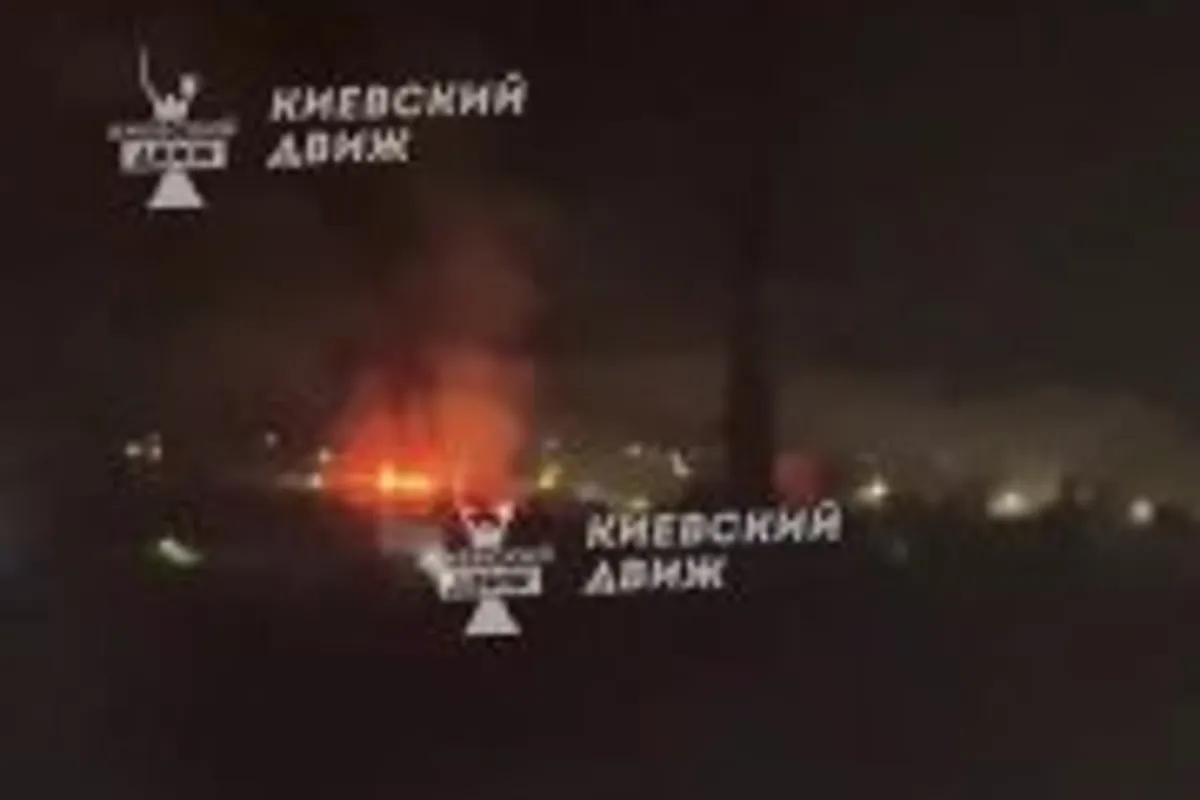
A nighttime Russian missile attack on Kyiv damaged an ammonia tank in the Holosiivskyi district, but emergency services quickly brought the situation under control and confirmed there is no danger to the public. Meanwhile, at least 17 people were killed in attacks across Ukraine, indicating a worrying depletion of Ukraine's air defense capabilities.
According to the Kyiv City Military Administration, a tank containing about 300 liters of ammonia was damaged in the massive missile strike, leading to a leak. Specialized teams and rescue services immediately responded, and the leak was fully contained by 02:10. "There is no threat to the life or health of people living in nearby buildings," the Kyiv City Military Administration reported.
During the night of August 4-5, 2026, Russia carried out a combined missile attack on Kyiv using ballistic weapons. Damage was recorded at seven or more locations in the Holosiivskyi, Obolonskyi, Desnianskyi, and Sviatoshynskyi districts. One woman was killed in the attack, and at least 12 people were injured, including an ambulance driver. In the Holosiivskyi district, a house was destroyed, and search operations are underway for people trapped under the rubble.
On a broader scale, Russian air forces launched 28 missiles, 24 of which were ballistic, and 115 drones, primarily targeting Kyiv and its surrounding areas. The Ukrainian Air Force reported that 98 drones were shot down, but none of the missiles were intercepted. The attacks hit residential areas, warehouses, and production facilities of Ukraine's largest retailer, Epicentr K, as well as the delivery service Nova Post. The Ukrainian railway company Ukrzaliznytsia reported that many people were killed while waiting for trains at a regional station outside Kyiv.
Ukrainian President Volodymyr Zelenskyy reacted sharply on platform X, emphasizing that delays in the delivery of interceptors directly lead to loss of life. "Ballistic interceptors are something that could save the lives of those who died today. It is very important that partners understand that delays in their delivery or reluctance to transfer antiballistic systems lead to such terrible casualties and destruction," he wrote.
His meeting with U.S. President Donald Trump in Washington last week did not result in new promises regarding the delivery of Patriot systems. Although Trump promised on July 8, 2026, to grant Ukraine licenses to produce its own interceptors, those permits have not yet been issued, and it could be several months before any of them become available for use.
The attacks on logistics centers suggest that a sort of "warehouse war" is developing, as Russia retaliates for Ukrainian strikes on the e-commerce giant Wildberries in recent weeks. According to estimates from Russian media, Wildberries has lost at least 17% of its warehouse capacity, and sellers on the platform have suffered losses exceeding $3 billion. The Russian state news agency Tass reported a fire that broke out following a drone attack on a Wildberries logistics center in Russia's Tula region.
On the Ukrainian side, Epicentr K posted grim estimates on Facebook: "According to preliminary assessments, the full restoration of destroyed production will require at least a year and a half, and most likely about two years."