US Launches New Strikes on Iran, Explosions Rock Southern Provinces
American retaliation follows Iran striking bases in Jordan and tankers in the Strait of Hormuz; missile hits residential area on Qeshm Island
American retaliation follows Iran striking bases in Jordan and tankers in the Strait of Hormuz; missile hits residential area on Qeshm Island
The United States launched a new wave of attacks on Iran on the night of July 30, 2026, after Tehran carried out missile strikes on US bases in Jordan two days earlier and attacked oil tankers in the strategically vital Strait of Hormuz. US Central Command (CENTCOM) said it was a "strong response" to Iranian actions, continuing a dangerous escalation that threatens stability in the Middle East and global oil supplies.
The new strikes marked the end of a lull of several days during which, according to available information, diplomatic contacts were being renewed. US President Donald Trump had only suspended an intensive bombing campaign on July 24, 2026, which had lasted 13 consecutive nights and targeted Iranian military depots and facilities.
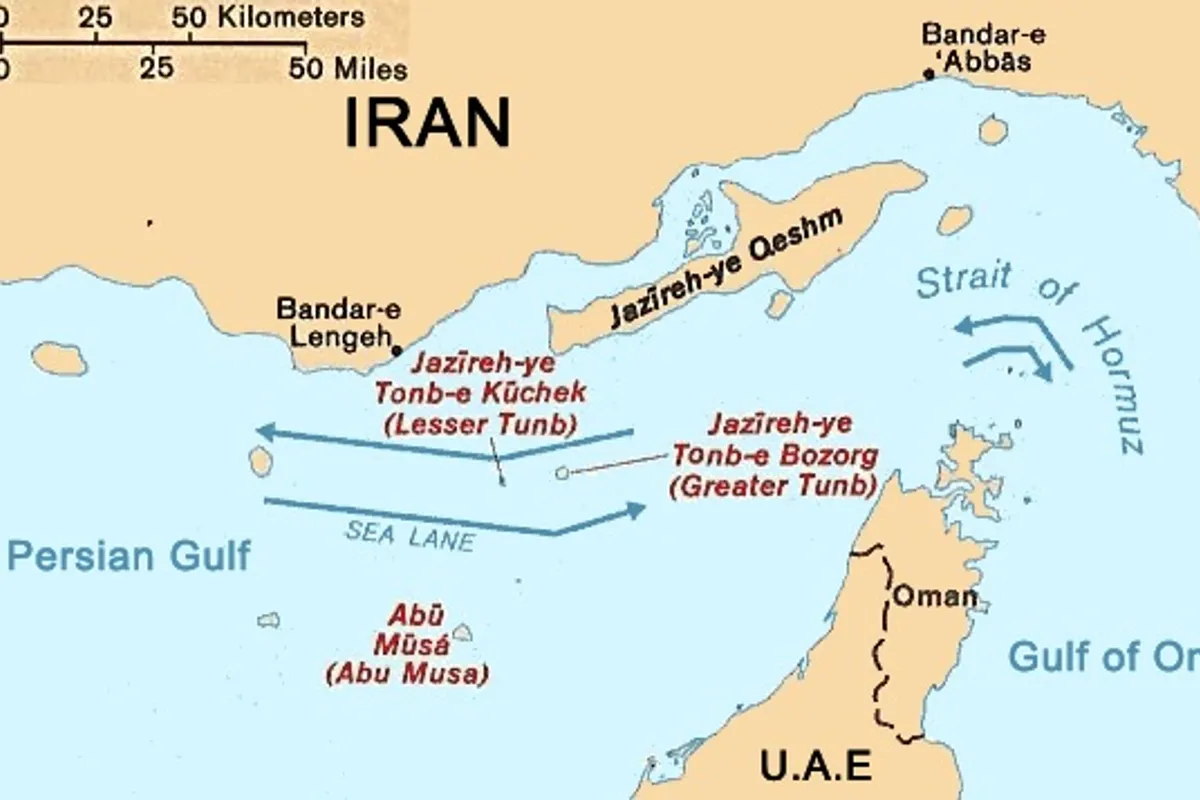
However, on July 28, 2026, Iran fired ballistic missiles at US bases in Jordan, and Iranian naval forces claim to have hit three oil tankers in the Strait of Hormuz because, they said, the ships "ignored warnings and used a route that Iran had declared unsafe." Washington responded the very next day: according to El País, the bombing of Iran began around 8 p.m. local time in Washington (July 29), which was early morning on July 30 Iranian time.
A few hours before the announcement of the new strikes, President Trump told reporters at the White House that the US would retaliate strongly because, in his words, it was their turn to attack.
Iran knows what's coming.
Trump said, adding that Iranian authorities had asked Washington not to launch the strikes. Tehran, however, denied that any talks had taken place at all, creating further diplomatic uncertainty.
Iranian media, including the Tasnim and Fars agencies, reported explosions in several southern provinces and on islands. According to Al Mayadeen, strikes were recorded in Bandar Abbas, on the islands of Abu Musa, Kish, and Qeshm, and in Bushehr. Local officials in Khuzestan province confirmed that missiles hit areas near the cities of Abadan and Shadegan, and Fars specifically stated that US strikes targeted multiple areas in Abadan, in western Iran.
One of the missiles hit a residential area on Qeshm Island. As the deputy governor of Hormozgan province told the Iranian Tasnim agency, search operations are underway for two people believed to be trapped under the rubble. Iranian authorities also reported defensive military activities along key coastal points during the attacks.
The escalation was preceded by the first publicly confirmed joint US-Saudi strikes on Iran-linked groups in Iraq. CENTCOM stated that logistics facilities were hit after more than 30 drone attacks allegedly directed by Iran's Revolutionary Guard. In those strikes, the Iraqi Popular Mobilization Forces announced, at least 20 of their members were killed.
Iraq's presidency condemned the bombing as an unacceptable attack and a clear violation of sovereignty, while Trump claimed the action was coordinated with the Iraqi government, another point of contention in an already tense situation.
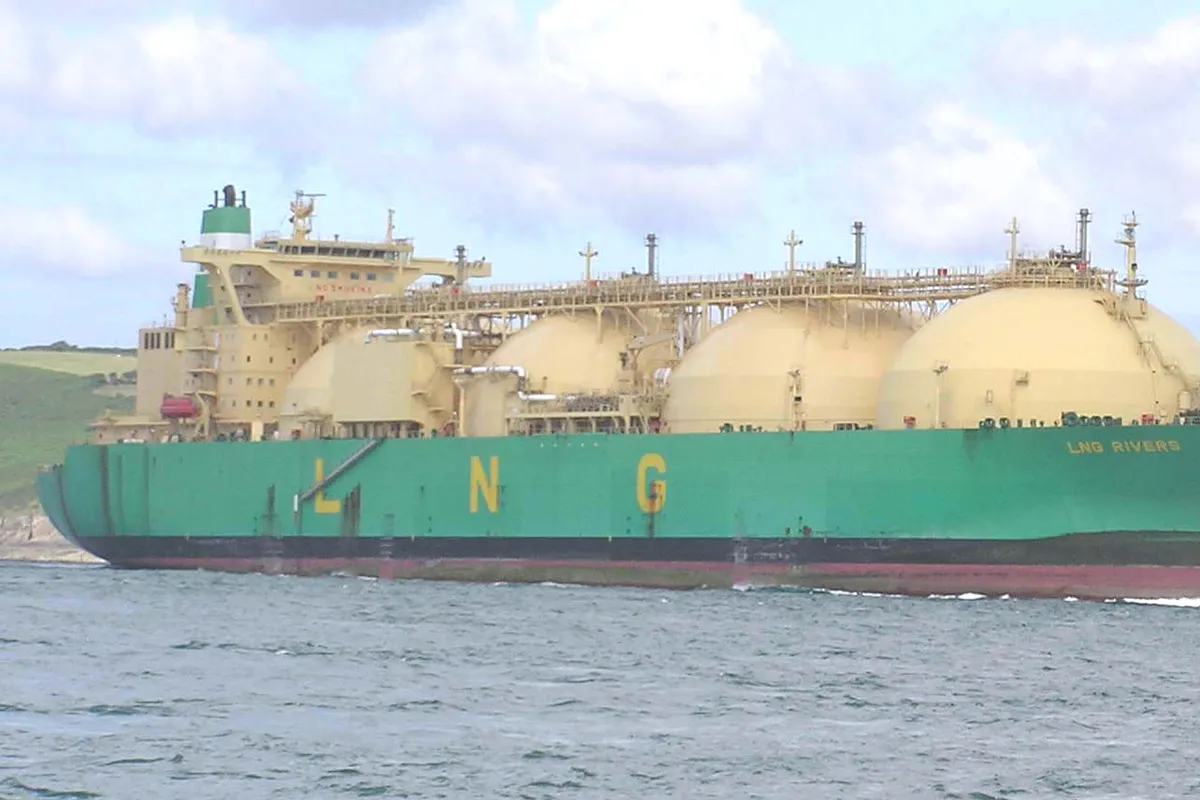
According to Reuters, the war has further expanded: an attack on a gas storage tanker in an Egyptian port was also reported, indicating that the conflict zones are no longer limited to Iran and its immediate neighborhood.
The latest US attacks are part of a military campaign launched by the US and Israel back in February 2026. Although Trump predicted at the time that the war would last only a few weeks, the conflict is now entering its fifth month, and the spiral of mutual attacks shows no sign of abating. Saudi Arabia, which is participating in operations against Iranian allies, reportedly wants to calm tensions, but simultaneous involvement on both sides deepens regional instability.
The Strait of Hormuz, through which a significant portion of global oil trade passes, has once again become a battlefield. Any major disruption to shipping could trigger a rise in energy prices, directly impacting Croatia's economy and its citizens. Although exact figures on possible price increases are not yet known, analysts warn that prolonged instability in the region could seriously burden European markets, including Croatia's.