US Launches Strikes on Iran, Trump Threatens "Very Strong" Response
CENTCOM says strikes are 'strong response' to Iranian attacks on US forces, as oil prices rise.
CENTCOM says strikes are 'strong response' to Iranian attacks on US forces, as oil prices rise.
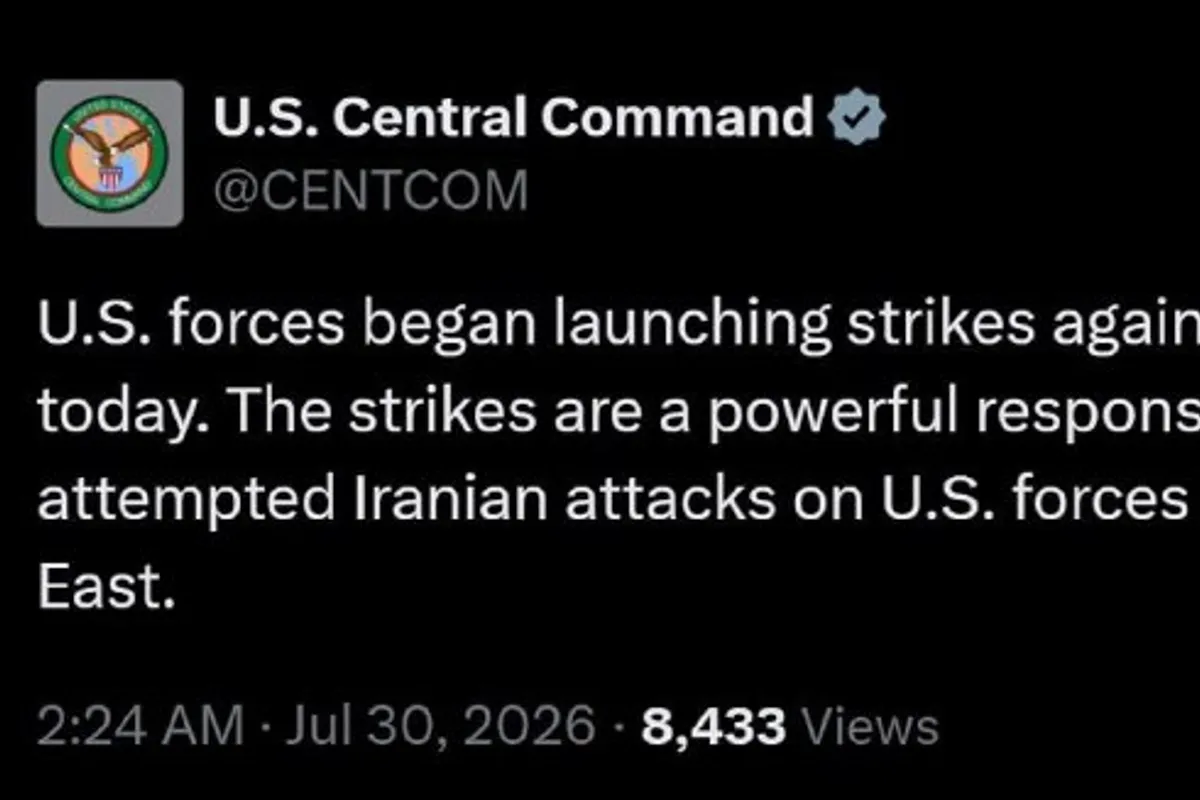
US armed forces launched airstrikes on Iran on the night of Wednesday to Thursday. The US Central Command (CENTCOM) stated that the strikes began at 8 p.m. Eastern Time (00:00 GMT) on July 30, 2026, calling them a "strong response to yesterday's attempted Iranian attacks on US forces stationed in the Middle East," as reported by DW News.
A few hours before the strikes, US President Donald Trump said in the Oval Office that the US would retaliate. "They've already apologized, but, you know, we have to hit them a little," he told reporters. He added: "It's our turn, and we'll see if we can reach an agreement at some point. But we will hit them very hard." In a phone interview with Fox News the same day, he threatened more directly, as reported by the Japan Times: "We will hit them hard" and "They will get a beating."
The threats came after a cessation of hostilities, which briefly raised hopes for negotiations, was abruptly broken on Tuesday evening July 28. US forces claim Iran targeted them, and Trump called it a "surprise attack." Meanwhile, the Iranian state news agency IRIB News reported that the US struck a location in Iran's West Azerbaijan province, according to the Japan Times.
According to DW News and Al Jazeera, the Islamic Revolutionary Guard Corps (IRGC), Iran's elite military force, launched an Emad medium-range ballistic missile on July 29 at a US military base in Jordan. The Telegram channel MilInfoLive released footage of the launch itself, which the IRGC made public.
On the same day, the US and Saudi Arabia carried out joint airstrikes on pro-Iranian militants in Iraq, which Baghdad strongly condemned. The Popular Mobilization Forces (PMF), Iraqi pro-Iranian formations, said that 20 of their fighters were killed and 32 wounded. Iranian media also reported that four Iranians were killed in those strikes, Al Jazeera reported. The direct involvement of Saudi Arabia threatens to widen the conflict in the region.
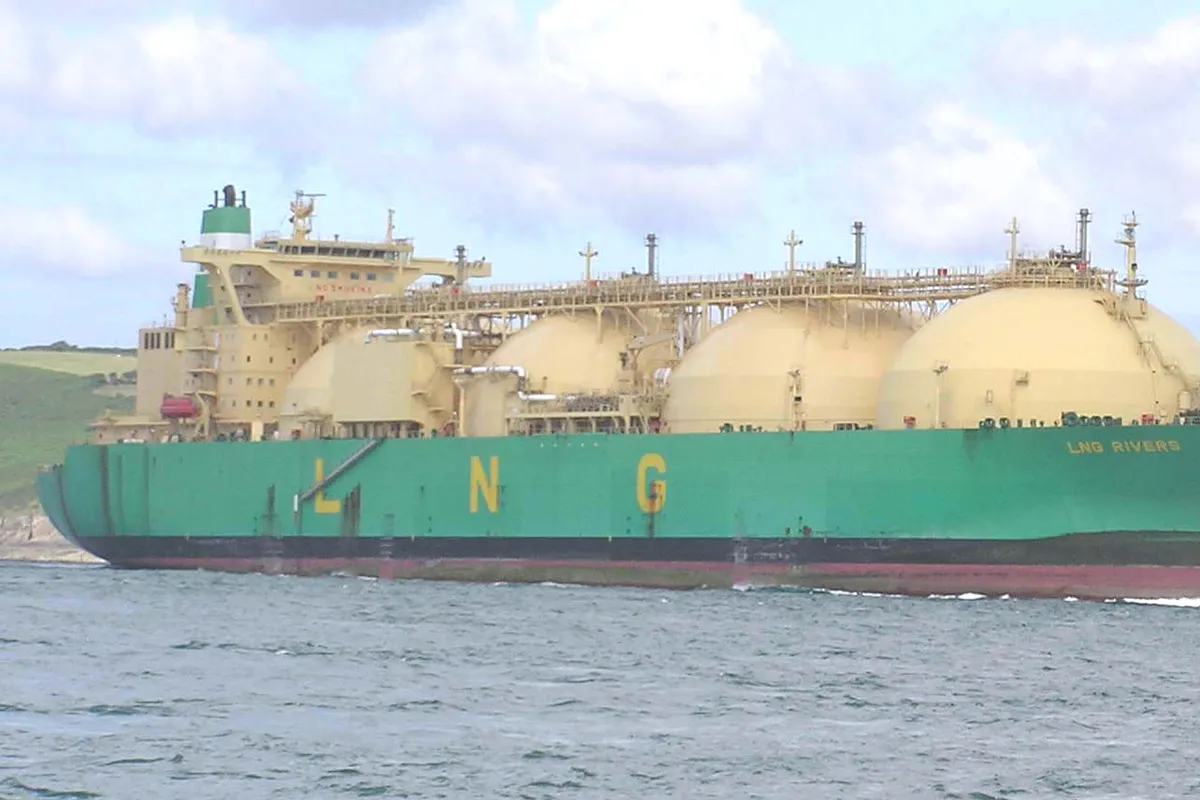
Additional tension was raised by a report from British maritime security firm Ambrey that a drone struck a US gas storage tanker at the Egyptian port of Damietta. Egypt's Ministry of Oil confirmed a fire but did not mention a drone attack. Trump said he was informed of the incident. DW News reports that a confirmed attack by Iran or its allies would represent a significant escalation.
Due to the deteriorating security situation, the price of Brent crude rose by eight percent, reaching $91 per barrel, the Japan Times reported. Iran, although an oil exporter, itself faces difficulties. Iranian government spokeswoman Fatemeh Mohajerani warned on July 25 that "fuel price changes or rationing are certain and inevitable," as reported by DW News.
The Telegram channel WarFront Witness reported on July 30 about intense air activity in Iraqi airspace, coinciding with the US offensive. Thus, the conflict flared up again after just a few days of calm, with all sides continuing military operations that threaten far-reaching consequences for the entire region and the global energy market.