North Korea Sends 120 More Missiles and Personnel
Ukrainian intelligence warns that Moscow plans to station a missile unit of about 90 personnel from Pyongyang, further deepening military cooperation between the two states.
Ukrainian intelligence warns that Moscow plans to station a missile unit of about 90 personnel from Pyongyang, further deepening military cooperation between the two states.
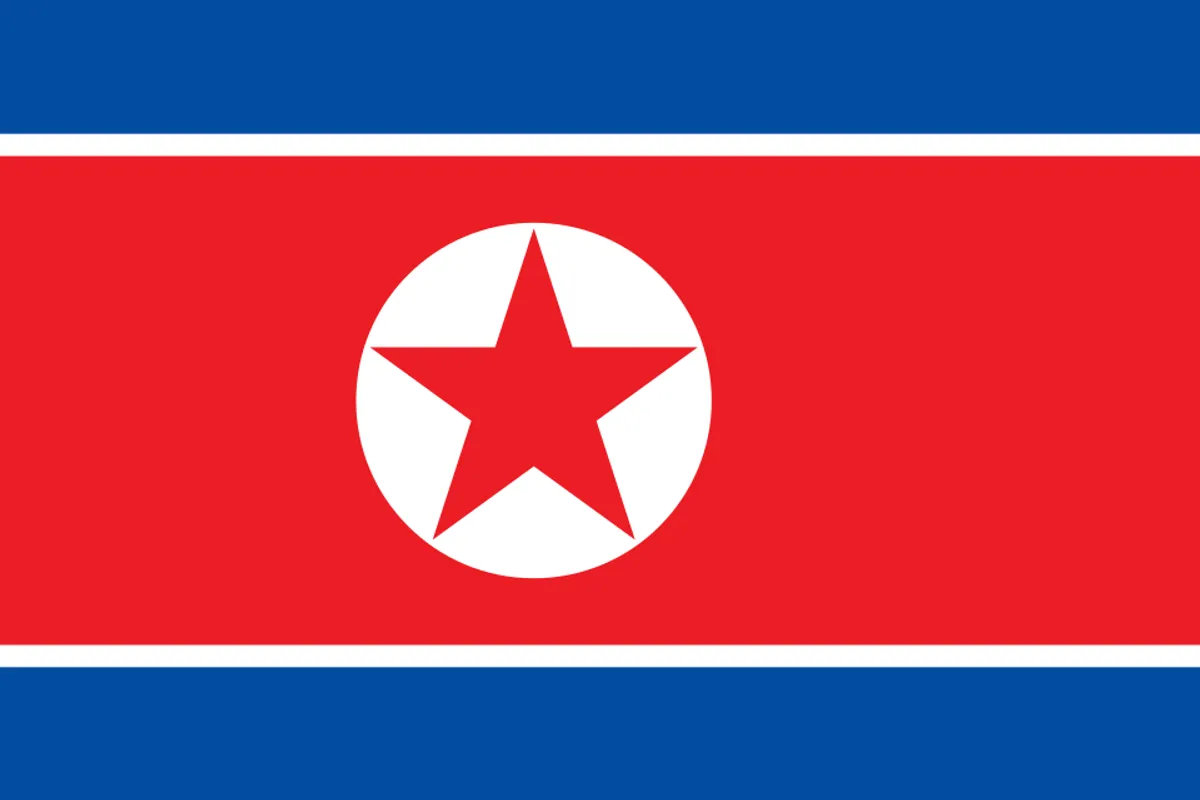
Russia plans to deploy North Korean ballistic missiles and personnel in the western Voronezh region, in close proximity to Ukraine, marking a significant expansion of military cooperation between Moscow and Pyongyang and a new threat to Ukrainian air defense. The information was provided by Andriy Chernyak, a representative of Ukraine's Main Intelligence Directorate, citing intelligence data.
According to his claims, Russia expects the deployment to include 120 North Korean ballistic missiles and six launchers. A missile unit of about 90 personnel from North Korea is expected to be stationed within Russia's 112th Missile Brigade in the Voronezh region. Pyongyang has already sent a new shipment of 40 KN-23 and KN-24 missiles, with the final configuration and total number of missiles to be agreed upon during high-level talks next month.
The deployment coincides with Russia launching two North Korean missiles at Ukraine last week for the first time since August 2025. One of them leveled a residential house in the central Ukrainian village of Radushne, killing at least five members of the same family. Chernyak confirmed that last week's attack was carried out with missiles from the new shipment of 40.
Reuters could not independently verify these claims, which Chernyak said were based on sensitive intelligence that cannot be publicly disclosed. North Korean KN-23 and KN-24 missiles have greater range and payload than their Russian equivalent, the Iskander, but are far less accurate and have been linked to attacks causing high civilian casualties, according to Ukrainian military sources.
Rob Lee, a senior fellow at the Foreign Policy Research Institute based in Philadelphia, notes that ballistic missile defense is one of Kyiv's key weaknesses. "Ballistic missile defense is one of Ukraine's biggest vulnerabilities, so any increase in the number of ballistic missiles they face will pose a greater challenge," Lee said.
He added that a particular concern for Ukraine will be the state of its air defense this winter, when Russia could again target the power grid with intense attacks, similar to previous years. The use of KN-23 and KN-24 missiles fits a pattern in which Russia attempts to use more ballistic missiles that can only be stopped by American-made Patriot systems.
North Korea has become a close ally of Russia since the start of the full-scale invasion of Ukraine in 2022, and the two states signed a mutual defense agreement in 2024. Pyongyang has supplied millions of artillery shells for Russia's war effort and sent 14,000 soldiers to Russia's Kursk region to help repel a Ukrainian ground incursion in 2024.
Chernyak states that there are currently about 9,500 North Korean soldiers in the Kursk region, which borders Ukraine, although they are not directly involved in combat operations. Ukrainian President Zelensky said last month that the Kremlin wants North Korea to send an additional 30,000 soldiers, and preparations for their reception in the Voronezh region are underway.
Russia began launching North Korean missiles at Ukraine in late 2023, and between that period and August 2025, Pyongyang delivered a total of 150 missiles. It is unclear what exact role North Korean personnel would play in Russian missile operations.