Schools Close Doors Due to Unbearable Heat
Extreme heat and increasingly frequent heatwaves are prompting European countries to rethink the school calendar, with some already introducing radical changes.
Extreme heat and increasingly frequent heatwaves are prompting European countries to rethink the school calendar, with some already introducing radical changes.
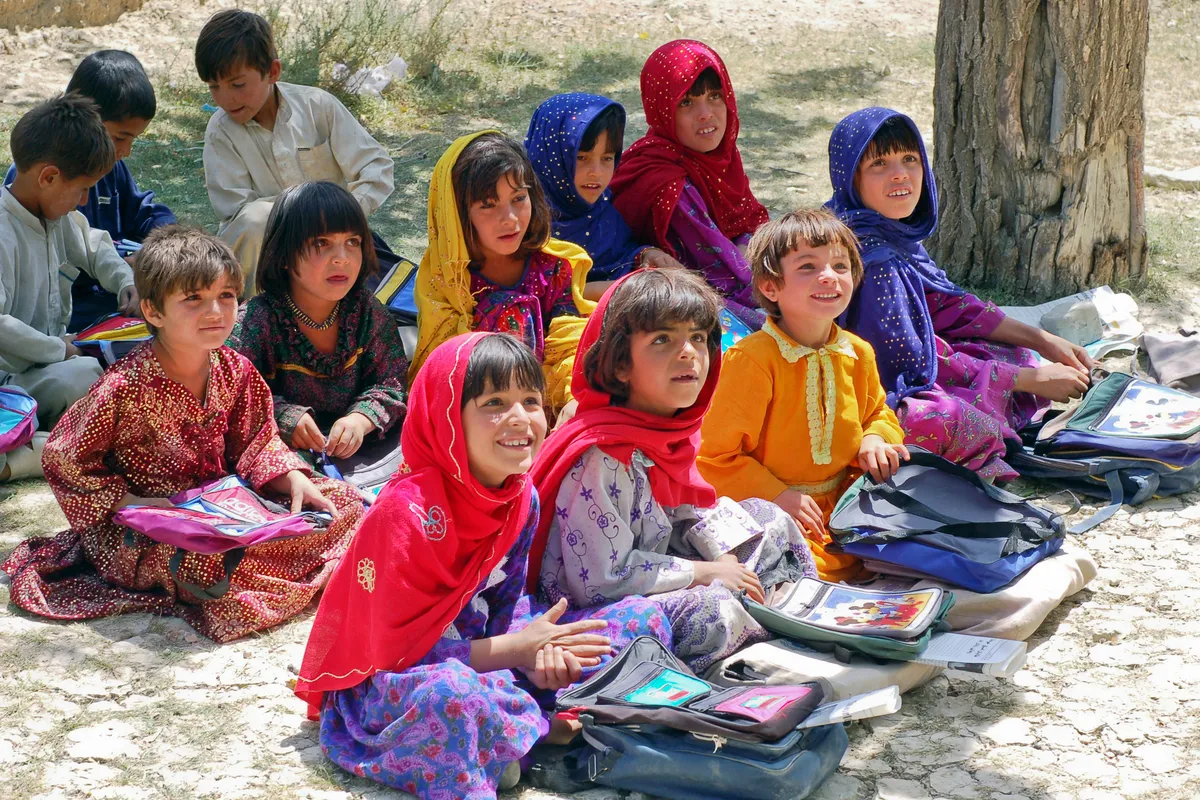
The heatwaves that have hit Europe are no longer just a summer nuisance but a serious threat reshaping daily life, including the education system. As the continent faces extreme temperatures, countries like France, Spain, and Italy are seriously considering adjusting the school calendar to extreme weather conditions, including earlier end of classes and extended summer holidays.
According to data from Eurydice, the education information network funded by the European Commission, the length of summer school holidays varies significantly among EU member states. Italian students spend as many as 14 weeks on summer break, followed by Malta, Latvia, and Cyprus with 13 weeks. At the other end of the scale, Denmark, the Netherlands, and Germany have the shortest holidays in the bloc, with only six weeks of respite for students.
The impact of heat on education is becoming alarming. UNICEF data shows that in 2024, more than 900,000 students in Europe experienced disruptions in their schooling precisely due to heatwaves. The European Climate and Health Observatory (ECHO) reports that already now, around 16,650 schools in Europe record days with maximum temperatures above 30°C during the school year. If the high-warming scenario continues, projections for 2050 are concerning, as many as 34,400 schools could have at least one such hot day annually.
According to ECHO projections, between 68% and 82% of days with temperatures above 30°C will occur before the summer holidays, while 18% to 32% of such days will appear after they end.
This year, schools in France and Belgium have already ended classes early or completely closed due to unbearable heat. In Belgium, unions demanded that every classroom be equipped with a thermometer and that classes be suspended as soon as legal temperature limits are exceeded. Spain has gone a step further by experimenting with the daily schedule: in some schools, classes start at 8:00 AM instead of 8:30 AM and end at 3:00 PM instead of 4:30 PM, to avoid the hottest part of the day.
The education sector is just one of many victims of increasingly extreme weather. The European Environment Agency estimates that extreme weather events have cost Europe €738 billion from 1980 to 2023, with €162 billion spent in the last three years alone. Without strong climate measures, costs to the European economy could reach €5.6 trillion by 2050. The European Central Bank warns that three-quarters of Europe's losses from natural disasters are uninsured, further straining state budgets.
Although radical proposals to extend summer holidays seem like a logical solution, critics warn of serious consequences. Such a move could create problems for parents due to their work commitments and particularly affect families from lower socioeconomic backgrounds who cannot afford additional childcare. Scientists emphasize that adaptation alone is not enough, without significant reductions in greenhouse gas emissions, extreme conditions will become the new norm.