SpaceX Plans 14th Starship Flight
Elon Musk announced an ambitious test for late August, crucial for full rocket reusability and launching new Starlink satellites.
Elon Musk announced an ambitious test for late August, crucial for full rocket reusability and launching new Starlink satellites.
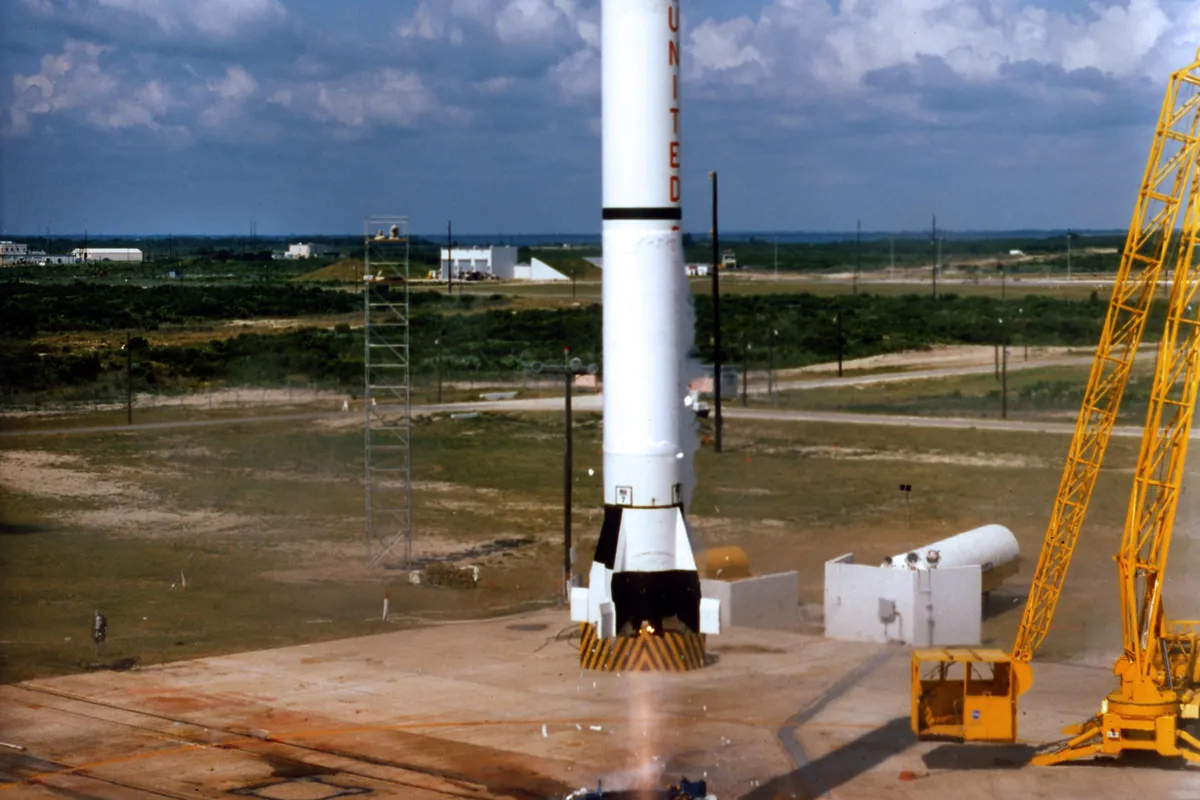
SpaceX is preparing for another major step in the development of its giant Starship rocket. As early as the end of this month, the company plans its 14th test flight, with the key new development being an attempt to catch the rocket's upper stage on land, CEO Elon Musk announced during the company's first earnings call on Tuesday.
"Assuming we get regulatory approval for that, we will attempt to catch the ship with the tower on the next flight, which is tentatively scheduled for the end of this month," Musk said, as reported by Channel News Asia. The goal is for the upper stage, the core of the Starship 'ship,' to return to the launch tower in Texas, where it would be caught by giant mechanical arms.
SpaceX has so far successfully caught the rocket's first stage, the Super Heavy booster, three times using the same tower arms, most recently in March 2025. In the previous five tests, Super Heavy landed in the Gulf of Mexico. This time, if the arms manage to catch the upper stage, Super Heavy will again end up in the gulf, Musk explained.
The long-term plan is for the tower to catch both stages: first Super Heavy, which will be quickly set aside, and then, about 90 minutes later after completing a full orbit around Earth, the upper stage. "We'll probably be doing at least one flight a day in a year, maybe more," Musk projected.
The 14th flight also carries important commercial payload. The first batch of V3 Starlink satellites will be sent into orbit, which Musk says will "deliver 10 times the broadband capacity and data density of our current generations." SpaceX's ultimate goal is to send 60 such satellites per Starship launch, which will significantly accelerate the expansion of the Starlink network.
NASA will also be closely watching this test, as it wants to use Starship as a lunar lander for future missions to the Moon. The launch comes after the 13th test flight in July 2026, during which the upper stage demonstrated improved landing capabilities over the Indian Ocean. SpaceX is currently recovering that stage from the ocean for inspection, as confirmed by satellite imagery from the company Vantor.
The announcements come as SpaceX posted impressive financial results for the second quarter of 2026. Revenue reached $7.8 billion, a 92% increase from $4.1 billion in the same period last year. Net loss narrowed by $467 million to $541 million, while adjusted EBITDA surged 191% to $3.5 billion.
The Connectivity segment, which includes Starlink, saw revenue growth of 66% and operating income growth of 79% compared to the same period last year. The company also announced that it had secured over $6 billion in multi-year U.S. government contracts for its Starshield product and closed several leading cloud services contracts worth $14.1 billion. At the end of July, SpaceX also unveiled its most powerful AI model, Grok 4.5, and announced the acquisition of Cursor for $60 billion.