Spanish Priest Calls for Bombing Rabat
Amid the migrant crisis in Ceuta, parish priest Javier Aizpún sparked outrage and condemnation from the Archdiocese of Pamplona and Tudela with his social media posts.
Amid the migrant crisis in Ceuta, parish priest Javier Aizpún sparked outrage and condemnation from the Archdiocese of Pamplona and Tudela with his social media posts.
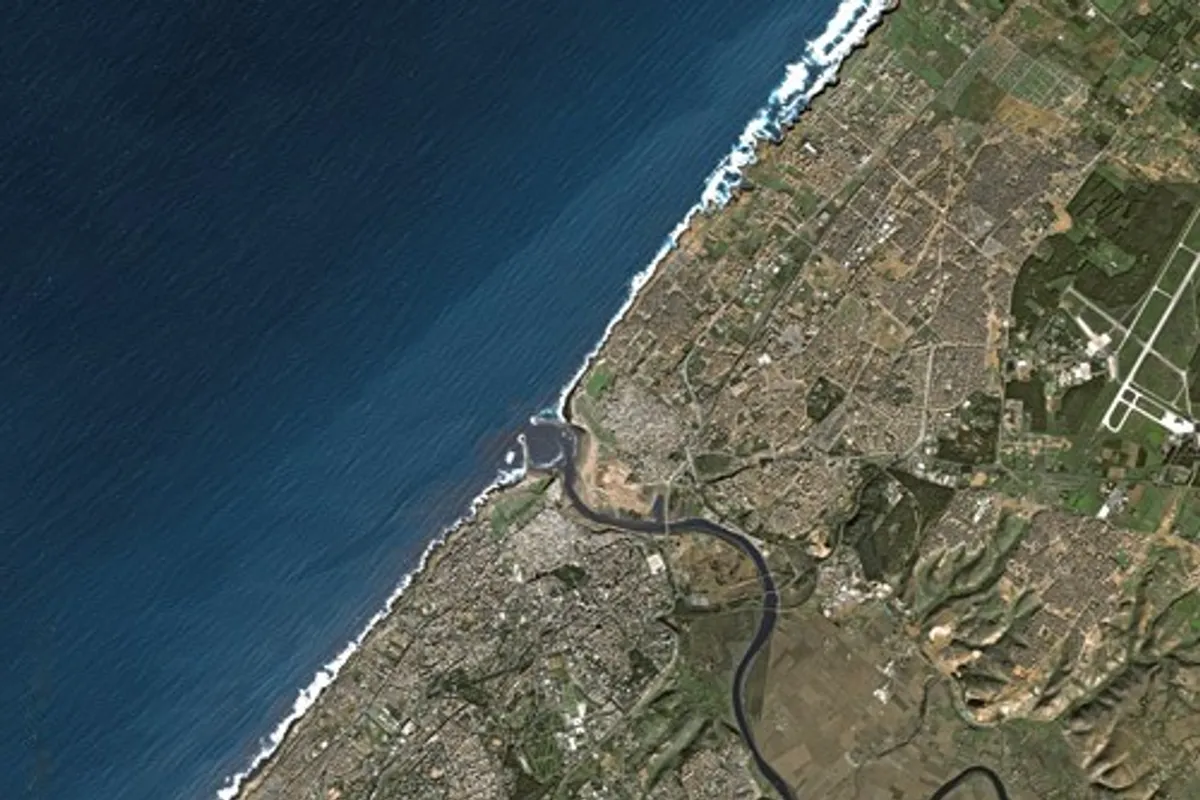
As the Spanish enclave of Ceuta grapples with the aftermath of a massive migrant influx, a wave of anti-Moroccan rhetoric in Spain has escalated to calls for violence. Javier Aizpún, a parish priest from the town of Huarte, posted a series of inflammatory messages on his X profile, including a call to "bomb Rabat" and to "reconquer Morocco and convert it to Christianity," as reported by Morocco World News.
Reacting to the scandal, the Archdiocese of Pamplona and Tudela issued an official statement on Wednesday, August 6, 2026, describing Aizpún's remarks as "utterly inappropriate." They emphasized that these are "strictly personal opinions, which in no way represent nor are shared by this diocesan Church." The Archdiocese added that the priest had deleted his X profile and personally apologized to the archbishop, extending the apology to both the Church and society.
Before removing the posts, Aizpún had also called for "massive shooting at the conquerors of Ceuta," according to Morocco World News. His statements are part of a broader wave of anti-Moroccan sentiment among some segments of the Spanish public and politicians, fueled by last week's migrant crisis.
The crisis began on July 30, 2026, when, according to BBC data, approximately 78,000 migrants from neighboring Morocco arrived in Ceuta by sea within just a few hours. Ceuta's leader, Juan Jesús Vivas, addressed the European Parliament on Thursday, August 6, expressing "deep sorrow" over the "irreparable tragedy" of 100 deaths. Spanish reports mention 70,000 crossings and 88 fatalities, while official Moroccan figures cite 40,000 people and 11 deaths on their side, stressing that they are in contact with Spanish authorities to determine the exact number of casualties.
Vivas criticized the response of Spanish Prime Minister Pedro Sánchez's government, calling it delayed and insufficient. "The fact that we don't have data on how many are still in Ceuta shows how few resources we have to deal with this situation," Vivas said. It is estimated that between 3,000 and 5,000 migrants remain in the enclave, with the situation further complicated by nearly 5,000 unaccompanied minors.
The crisis has sparked diplomatic friction within the European Union. Italy suspended the Schengen arrangement with Spain, with support from Finland and Denmark, while the Czech Republic called for a temporary suspension of Spain's membership. EU Migration Commissioner Magnus Brunner suggested that criminal networks had fueled the mass crossing by spreading disinformation, a claim echoed by Prime Minister Sánchez. Brunner stated that the EU should use all levers, including visa policy and trade, to ensure Morocco's cooperation.
On the other hand, an unnamed Moroccan government source told local media that a ruling by Spain's Supreme Court on July 8, which banned the return of migrants intercepted at sea, was to blame. "The deterrent element in the system has collapsed, and the dam gave way, not under the pressure of criminals, but of a judicial decision," the source said. Morocco has rejected criticism, stating that it is "neither a gendarme nor Europe's doorman" and cannot bear the consequences of a Spanish court ruling.
Meanwhile, the Spanish government has allocated €25 million to aid minors in Ceuta, but volunteers describe the situation on the ground as unsustainable. As reported by El Mundo, neighbors are taking children into their homes, while no minor has yet been transferred to mainland Spain due to resistance from local authorities.