Hospital cleaners clean up to 3,000 m2 per shift for 850 euros
Zagreb hospitals have issued dozens of job postings for cleaners, but only a few candidates apply. The union warns the workload far exceeds national standards.
Zagreb hospitals have issued dozens of job postings for cleaners, but only a few candidates apply. The union warns the workload far exceeds national standards.
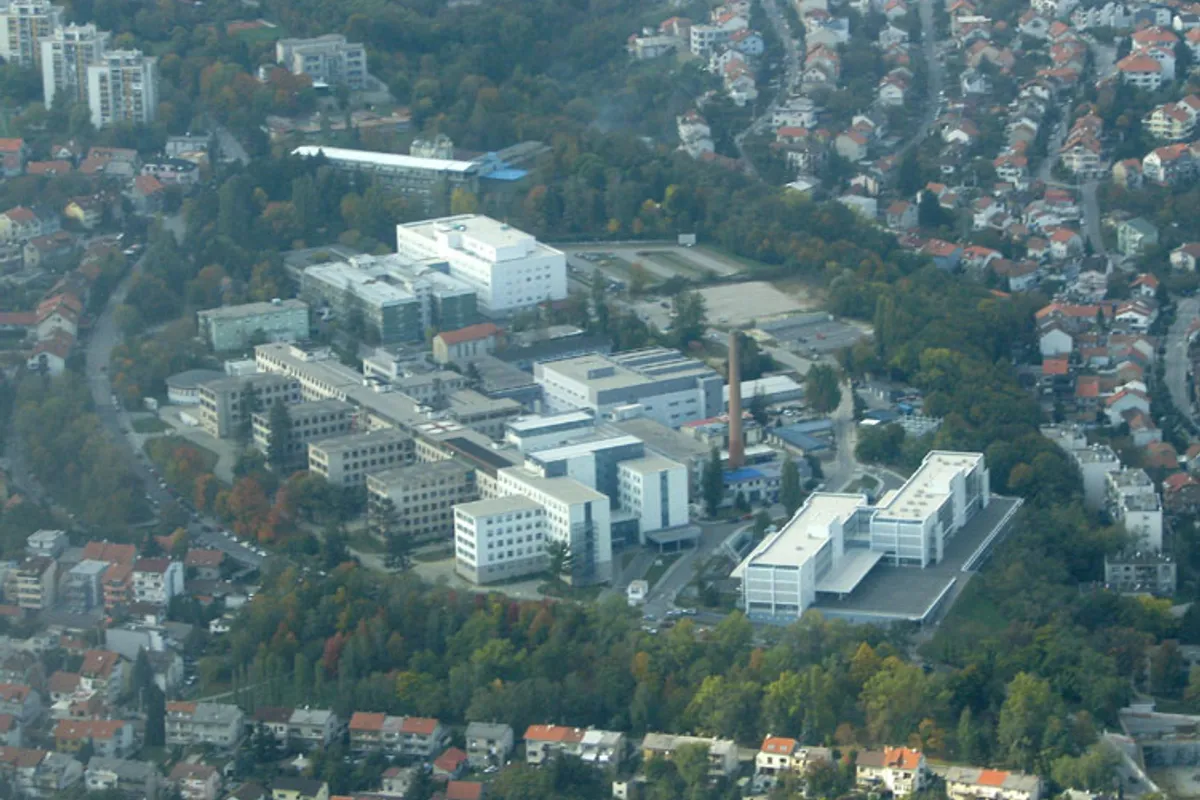
Croatian hospitals are facing a serious shortage of cleaning staff, and Zagreb clinics are just the tip of the iceberg: KBC Sestre milosrdnice is currently seeking 15 cleaners and 10 more workers for a system with special conditions, KBC Zagreb is looking for 12 cleaners, and KB Dubrava needs seven. On the Zagreb Labor Exchange, a total of six job postings are open for workers who maintain cleanliness and hygiene in healthcare facilities, Index.hr reports.
The scale of the problem becomes clearer when looking at specific workload data. According to information from the KBC Zagreb Union, one cleaner at Rebro maintains between 500 and 3,000 square meters of space during a shift. National standards, however, prescribe that one worker may maintain a maximum of 200 m2 of very high and high-risk areas, 400 m2 of medium-risk areas, 500 m2 of low-risk areas, and up to 1,400 m2 of non-clinical spaces. "This far exceeds the recommended national standards for very high and high-risk functional areas," states the KBC Zagreb Union. High-risk areas include operating rooms, intensive care units, transplant and oncology departments, maternity wards, dialysis, and isolation units, which require multiple cleanings and disinfection throughout the day.
According to estimates by the KBC Zagreb Union, cleaners working regular hours earn between 850 and 900 euros net. Those who work shifts or rotations, with supplements for night work, Sundays, holidays, and overtime, can earn between 1,000 and 1,300 euros net. A retired cleaner who built a career cleaning in a hospital does not hide her disappointment:
"There is no amount of money that can pay for this, believe me. And the salaries are terribly low for how much you work. I am ashamed to even say what our salary was; it should be at least 1,500 euros, if not more."
A cleaner with seven years of experience in a Zagreb hospital also describes the psychological dimension of the job:
"What many people don't think about is that you are actually at risk from various types of diseases. And besides cleaning, I used to do things that weren't in my job description-do small favors for patients, pick up lunch dishes, all kinds of things. And then they ask me-what are you so tired from?"
Tanja Leontić, president of the KBC Zagreb Union, confirms that the problem is structural and has persisted for over a decade. KBC Zagreb currently employs 203 cleaners distributed across six locations, but even that number is insufficient. "According to the findings of the KBC Zagreb Union, job postings seeking a larger number of cleaners often attract only a few candidates, usually between five and seven people, even though the institution is simultaneously looking for twenty or more workers. Some of the hired employees quickly quit or mutually terminate their employment," Leontić states. The union also points to the labor market as competition: "At the same time, today's labor market offers numerous cleaning jobs in hotels, offices, or apartments, where working conditions are often easier and earnings are equal or higher than in the hospital system."
Leontić cites the Regulation on job titles and coefficients for salary calculation, which came into effect in March 2024, as one of the key causes. According to it, all cleaners in the public health and social care system have the same coefficient of 1.15, regardless of whether they clean a health center or operating rooms. "Previously, collective agreements for the health and social care sector recognized different levels of professional risk, so cleaners received supplements for special working conditions," explains the union president. An additional problem was the long-standing government hiring restrictions, where institutions could only hire one worker after two had left.
The Ministry of Health responded to Index's inquiry by stating that the directors of healthcare institutions are responsible for work organization, including non-healthcare activities, and that the ministry "has no knowledge of systemic difficulties in ensuring the cleanliness of hospital premises" nor of a "critical shortage of cleaners." They added that they are aware of long-standing challenges in attracting and retaining workers in non-healthcare activities and believe that the healthcare system will find appropriate solutions. The union, however, warns of broader consequences: "Hospital cleanliness is not an auxiliary activity or an administrative service. It is an integral part of healthcare and one of the key prerequisites for preventing hospital infections, patient safety, and quality of treatment."