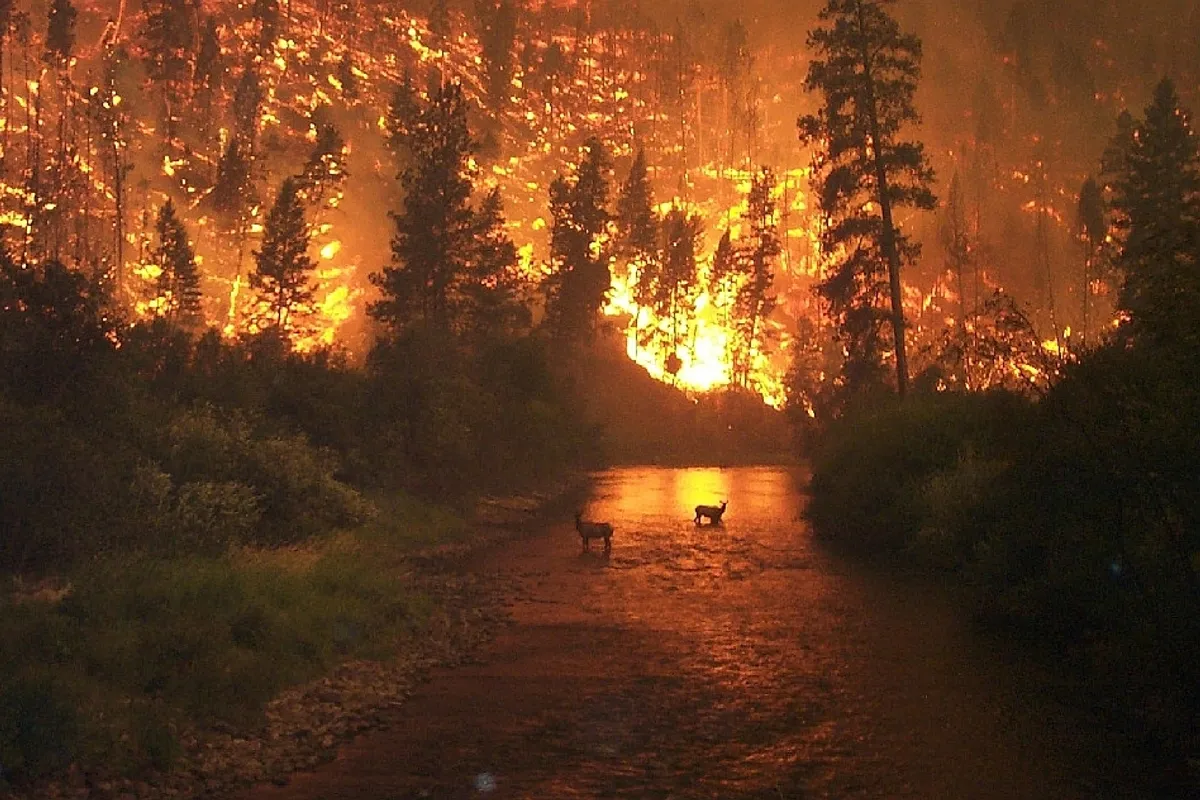
Serbia in Flames: 31 Active Fires, Blaze Engulfs 2,000 Hectares
Around 900 open-air fires recorded in the last seven days, with the most severe situation in Deliblato Sands near Kovin.
Around 900 open-air fires recorded in the last seven days, with the most severe situation in Deliblato Sands near Kovin.
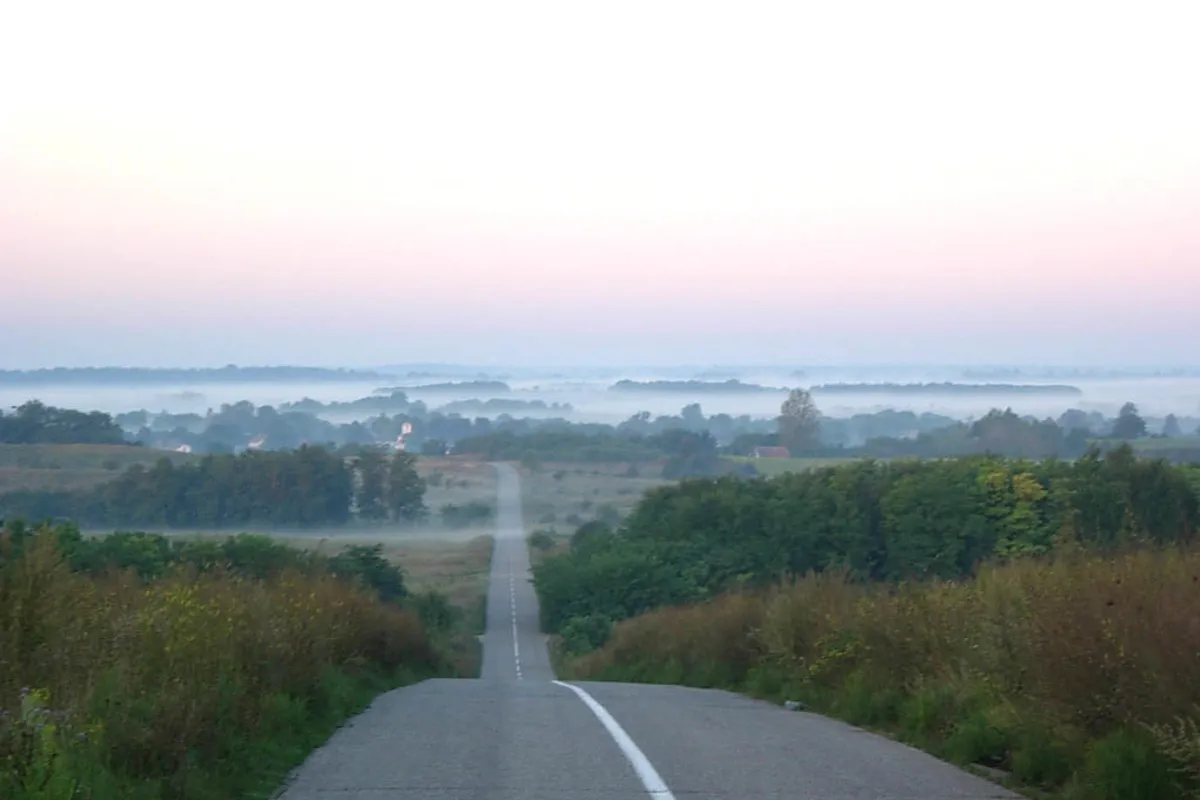
On the territory of Serbia, 31 open-air fires are currently active, as confirmed at an emergency session of the Republic Headquarters for Emergency Situations held on Thursday, August 13, 2026. The most critical situation has been recorded in Deliblato Sands near Kovin, where the fire has engulfed more than 2,000 hectares.
In addition to Deliblato Sands, a complex situation prevails on Mount Stolovi near Kraljevo, in Breznica in the municipality of Bujanovac, and near Gornji Brestovac in the municipality of Bojnik. All competent services, institutions, and inspections are on the ground in a state of heightened readiness due to high temperatures, drought, and unfavorable weather conditions.
It is alarming that in the last seven days alone, around 900 open-air fires have been recorded, which, thanks to the swift interventions of firefighters-rescuers, were brought under control and extinguished. The Minister of Internal Affairs and Commander of the Headquarters, Ivica Dačić, thanked all those engaged in extinguishing the fires, highlighting the most important fact.
"There are no casualties, and residential buildings are protected," said Dačić, Deputy Prime Minister of Serbia and Minister of Internal Affairs, adding that all forces remain engaged until the situation is fully stabilized.
The session also reviewed the hydrological situation, particularly the water level of the Danube and the functioning of the Danube-Tisa-Danube Hydrosystem. After extremely low water levels, a certain increase has been recorded, but the situation is still being carefully monitored. Low water levels continue to hinder river traffic, with reduced vessel capacity and navigation at limited capacities.
Currently, the electricity supply is reliable, and experts continuously monitor the operation of the power grid given the extremely high temperatures and increasing usage. Enhanced monitoring of surface water quality, air quality, and water supply conditions continues, especially in areas affected by drought and low water levels.