Experts Warn: Ukraine Running Out of Missiles
After a Russian attack on Kyiv killed 17 people and no missiles were intercepted, missile technology and defense industry experts predict a very difficult winter for Ukrainian cities.
After a Russian attack on Kyiv killed 17 people and no missiles were intercepted, missile technology and defense industry experts predict a very difficult winter for Ukrainian cities.
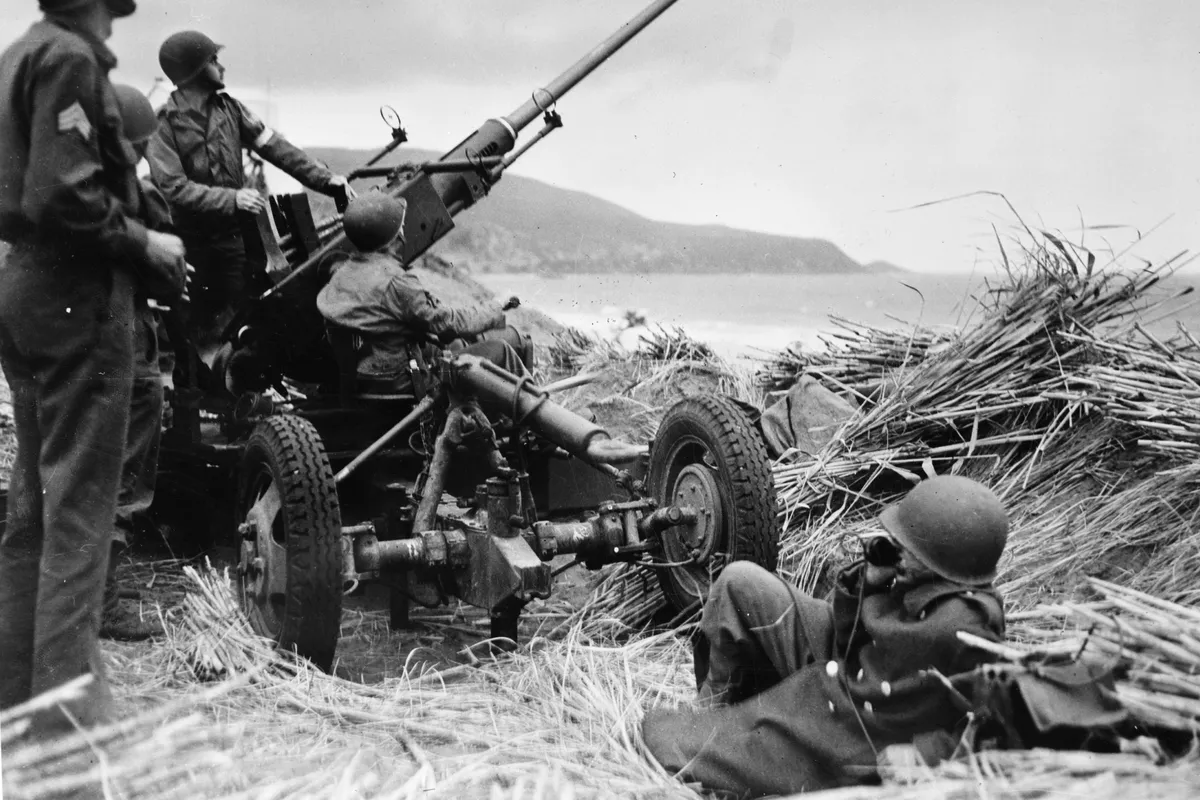
Ukraine is facing an alarming shortage of air defense missiles, which could have catastrophic consequences for its cities and civilian population in the foreseeable future. The dramatic warning comes from missile technology and defense industry experts, a day after a massive Russian missile attack on Kyiv killed 17 people and wounded dozens more.
In the attack on the Ukrainian capital on Wednesday, August 5, 2026, Russia fired 28 missiles, and according to AFP reports, none of them were intercepted. This brutal outcome has exposed the severity of the crisis in the supply of interceptor missiles, especially the American Patriot systems that are crucial to Ukraine's defense.
'With the current trajectory, this will become an absolute catastrophe,' Fabian Hoffmann, a senior researcher at IFS and an expert on missile technology and air defense, told Norway's NRK. Hoffmann explains that Ukraine still has a certain number of missiles in stock, but they are reserved exclusively for the defense of critical infrastructure.
'It may sound cynical, but populated centers like Kyiv are not priority targets [for protection, ed.] in war. The loss of human life is terrible, but the destruction of a residential building does not immediately undermine Ukraine's defense capability,' Hoffmann added, pointing to the harsh reality of wartime strategy.
The scale of the problem is best illustrated by the numbers. While Russia produces between 700 and 800 conventional ballistic missiles annually, the total annual production of Patriot missiles is about 1,000 units. However, these missiles are distributed between the United States and 17 other countries to which the U.S. exports this weapon.
'Therefore, the number of Patriot missiles available to Europe and Ukraine each year is very small and insufficient,' Hoffmann emphasizes. The largest buyers of American Patriot missiles are Saudi Arabia, Germany, Qatar, and Kuwait, according to data from the think tank CSIS (Center for Strategic and International Studies).
Ukraine needs a minimum of 700 to 800 missiles per year, but according to Hoffmann's estimates, it currently has access to only between 100 and 200 units annually. 'In the last delivery, Ukraine received, for example, five units from Germany, and a few more from other European countries,' the researcher explains. 'This means that Ukrainian cities will be very vulnerable in the foreseeable future.'
Marc Cancian, a senior advisor at CSIS and an expert on defense industrial production, confirms that the production of Patriot missiles, made by American companies Raytheon and Lockheed Martin, is increasing, but not fast enough. 'More Patriot missiles are being produced, but demand far exceeds supply,' Cancian told NRK.
An additional challenge is the fact that it is nearly impossible to destroy Russian launch capabilities. 'It's extremely difficult. Most Russian launch ramps are mobile. They fire a missile and immediately move,' Cancian explains, adding that Ukrainian forces have therefore focused on attacks on factories and production centers.
The idea of starting Patriot missile production in Ukraine itself or in Europe is also not a quick fix. 'There has been talk of allowing Ukraine to produce Patriot missiles itself, but it will take a very long time before that even becomes viable,' Cancian said. Hoffmann agrees: 'Achieving functional capability within one year, even two years, is extremely ambitious.'
The new vulnerability of Ukrainian cities will have serious consequences. 'The Russians will be able to target targets that have been difficult to hit so far, such as airports, military installations, and headquarters. They will also be able to attack the power grid more effectively,' Cancian predicts, emphasizing that this will also have a strong psychological effect on the population.
'The feeling of complete vulnerability will be very hard. Ukrainians have shown themselves to be strong and ready to continue the fight, and I am sure they will, but it will make their daily lives more difficult,' Cancian added. After last year's cold winter, Hoffmann looks with trepidation at the coming months: 'Unfortunately, I don't see anything that could reverse this trend now. It will be a very difficult winter.'
Despite the bleak forecasts, Cancian points to several potential positive scenarios. The end of the American war with Iran could free up significant quantities of Patriot missiles that European countries could buy and pass on to Ukraine. He also notes a change in the attitude of former U.S. President Donald Trump.
'In addition, the Trump administration has shown itself to be far more supportive of Ukraine than it was 18 months ago,' Cancian said, referring to the meeting between Ukrainian President Volodymyr Zelensky and Trump in Florida in December 2025.
Cancian also sees an opportunity in recent Ukrainian tactical successes. 'Until recently, the Ukrainians had the advantage in several areas; they stabilized the front lines and managed to strike deep Russian targets, especially in the oil industry. It is possible that this will begin to yield diplomatic results,' he concluded.
After the attack, President Zelensky wrote on social media: 'Ballistic interceptor missiles could have saved the lives of those who died today,' appealing to the G7 countries and the European Union for urgent assistance.