Drought Tightens Grip on Mošćenička Draga: Save Up to 900 Liters of Water
The municipality has issued a series of concrete recommendations for residents, businesses, and the tourism sector to maintain a stable water supply.
The municipality has issued a series of concrete recommendations for residents, businesses, and the tourism sector to maintain a stable water supply.
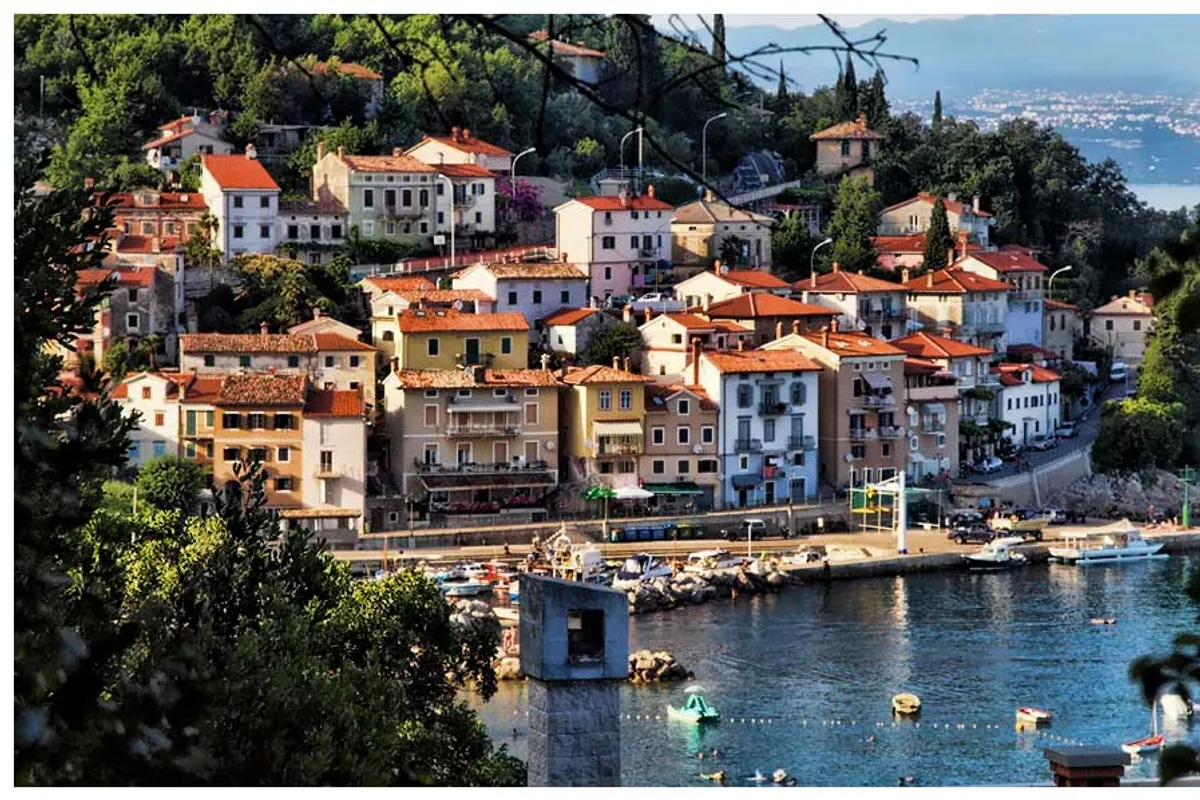
Due to a prolonged dry spell and increased water consumption during the peak tourist season, the Municipality of Mošćenička Draga issued a series of recommendations for rational water use on Thursday, August 6, 2026. The appeal was directed at all residents, businesses, and the tourism sector with the aim of preserving a stable water supply.
The main emphasis is on reducing household consumption. Residents are advised to take showers instead of baths and to limit showers to a maximum of five minutes. They are also advised to turn off the water while brushing teeth, shaving, or soaping up. As a long-term solution, the municipality recommends installing water-saving aerators and showerheads, as well as using dual-flush toilets.
Significant savings can also be achieved in the kitchen and laundry room. Washing machines and dishwashers should only be run when fully loaded, and dishes should be washed in a filled sink rather than under running water. Water left over from washing fruits and vegetables can be used to water plants. To cool drinking water, residents are advised to use the refrigerator instead of letting the tap run until the water turns cold.
A special warning from the municipality concerns household leaks, which are one of the biggest causes of unnecessary water loss. By fixing dripping faucets and leaking toilets, a single household can save up to 900 liters of water per month.
As a simple test to detect leaks, it is suggested to read the water meter in the evening and avoid using water overnight. If the meter reading changes by morning, it is a clear sign that there is a leak somewhere in the plumbing.
Residents are advised not to water lawns with drinking water, as they will recover naturally after the first rains. If watering gardens is necessary, it should be done only early in the morning or after sunset, preferably using a drip irrigation system.
The municipality also calls for postponing the washing of cars, boats, facades, terraces, and yards, as well as halting the filling and topping up of swimming pools. Existing pools should be covered to reduce evaporation, and for outdoor needs, collected rainwater should be used wherever feasible.
Recommendations have also been issued to businesses, trades, and family farms. They are asked to urgently inspect their installations and fix any leaks, as well as to introduce water recirculation in technological processes. Car washes should use recirculation systems, and larger consumers are urged to shift some activities to nighttime hours to reduce the strain on the water supply network.
Catering establishments are advised to serve water to guests only upon request, use water-saving fixtures, and avoid washing terraces and outdoor surfaces with pressurized drinking water. Hotels, campsites, and marinas have received specific instructions. They are expected to inform guests about the need to save water, encourage shorter showers and reuse of towels, and limit the operation of outdoor showers and the watering of green areas. Pool filling should be coordinated with the local utility company to avoid additional strain on the system.