Spacecraft with Two Robotic Arms: Services Satellites, but Also Poses Threat in Orbit
US Escalates Tech War: Alongside Launch of Robotic Spacecraft, Washington Bans Imports of Chinese Humanoid Robots
US Escalates Tech War: Alongside Launch of Robotic Spacecraft, Washington Bans Imports of Chinese Humanoid Robots

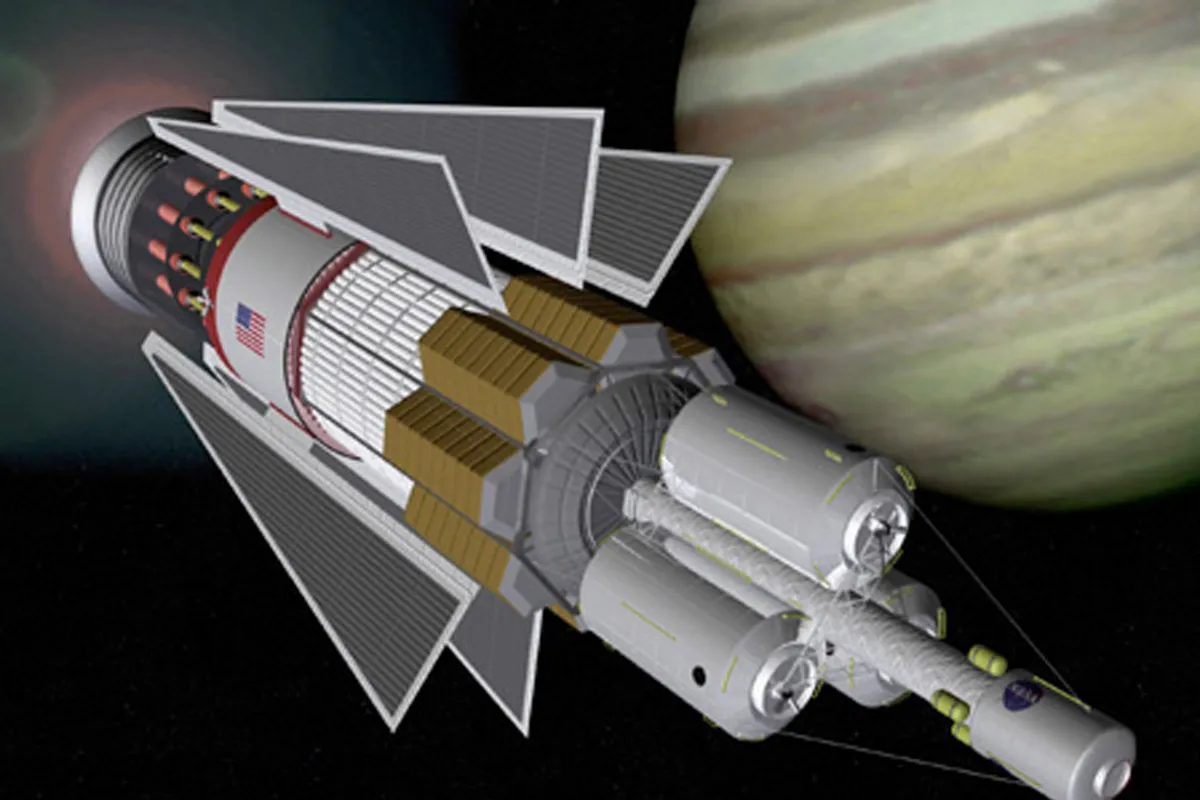
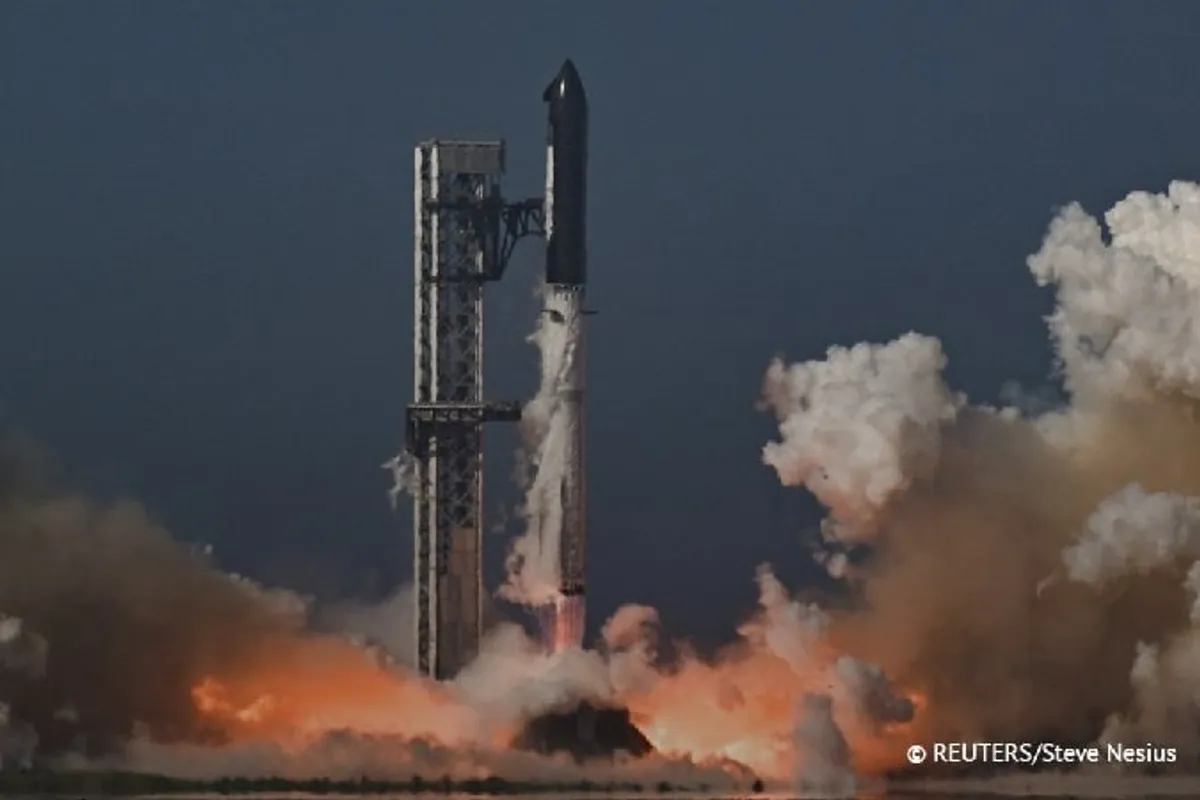
Northrop Grumman launched its first robotic vehicle for space missions (MRV) aboard a SpaceX Falcon 9 rocket from Cape Canaveral, reports Tportal. The spacecraft carries two robotic arms that can inspect, repair, refuel, and reposition satellites in orbit. In addition, it is equipped with three Mission Extension Pods (MEPs) that can extend the operational lifespan of satellites by up to eight years. The first commercial users are Australian telecommunications operator Optus and Luxembourg-based satellite operator SES.
Although presented as a commercial platform, the MRV's ability to maneuver extremely close to other spacecraft without direct physical contact also opens up military possibilities. The robotic arm system was developed under DARPA's (U.S. Department of Defense) Robotic Servicing of Geosynchronous Satellites program and in collaboration with the United States Naval Research Laboratory. According to Tportal, a future version could disable enemy satellites.
Officials from the U.S. Space Force point out that rival nations already possess such capabilities, for example the Chinese satellite Shi Jian 21 with a robotic arm for grappling. The unit Space Delta 9 is developing tactics for defensive and offensive orbital missions, and a larger defense network called the "Golden Dome" is also planned, which according to an estimate by the Congressional Budget Office would require as many as 7,800 space interceptors.
As part of intensifying technological competition, the Trump administration announced on July 29, 2026, a ban on the import of new advanced humanoid robots and inverters of foreign production into the United States, writes Forbes Croatia. The ban does not apply to existing models that were previously approved by the Federal Communications Commission (FCC). The FCC has placed these devices on the list of threats to national security. FCC Chairman Brendan Carr explained that the agency aims to protect key American supply chains and prevent foreign actors from remotely taking control, monitoring citizens, or conducting cyberattacks.
Beijing immediately reacted; the Chinese embassy in Washington announced that it would take "all necessary measures" in response to moves that harm Chinese interests. The Chinese government simultaneously emphasizes that the development of artificial intelligence in their country is the result of their own dedication and effort as well as international cooperation. U.S. Treasury Secretary Scott Bessent warned that Chinese AI companies could be sanctioned over suspicions of intellectual property theft.
The ban hits Chinese companies that have rapidly developed humanoid robots for factories and homes, and are already marketing them ahead of American rivals such as Tesla (Elon Musk) and Boston Dynamics. The US had already previously blocked the sale of advanced semiconductors to China, and last year China retaliated by tightening export controls on rare earth metals, disrupting global supply chains.
For the Croatian public, these events highlight the scale of the global technological power struggle taking place simultaneously in space and on the ground, which could escalate into trade and security shocks whose implications would be felt by Europe as well.