Italian Police Arrest 16-Year-Old
The teenager was arrested while on holiday in Grosseto; his computer contained jihadist, neo-Nazi, and anti-Semitic content, as well as contacts with members of the Islamic State.
The teenager was arrested while on holiday in Grosseto; his computer contained jihadist, neo-Nazi, and anti-Semitic content, as well as contacts with members of the Islamic State.
Italian police have arrested a 16-year-old Italian citizen of foreign origin on charges of participating in an association aimed at international terrorism. The operation was coordinated by the Juvenile Prosecutor's Office in Milan, and the arrest was carried out on Thursday, August 7, 2026, in the Grosseto area, where the young man was on a family holiday.
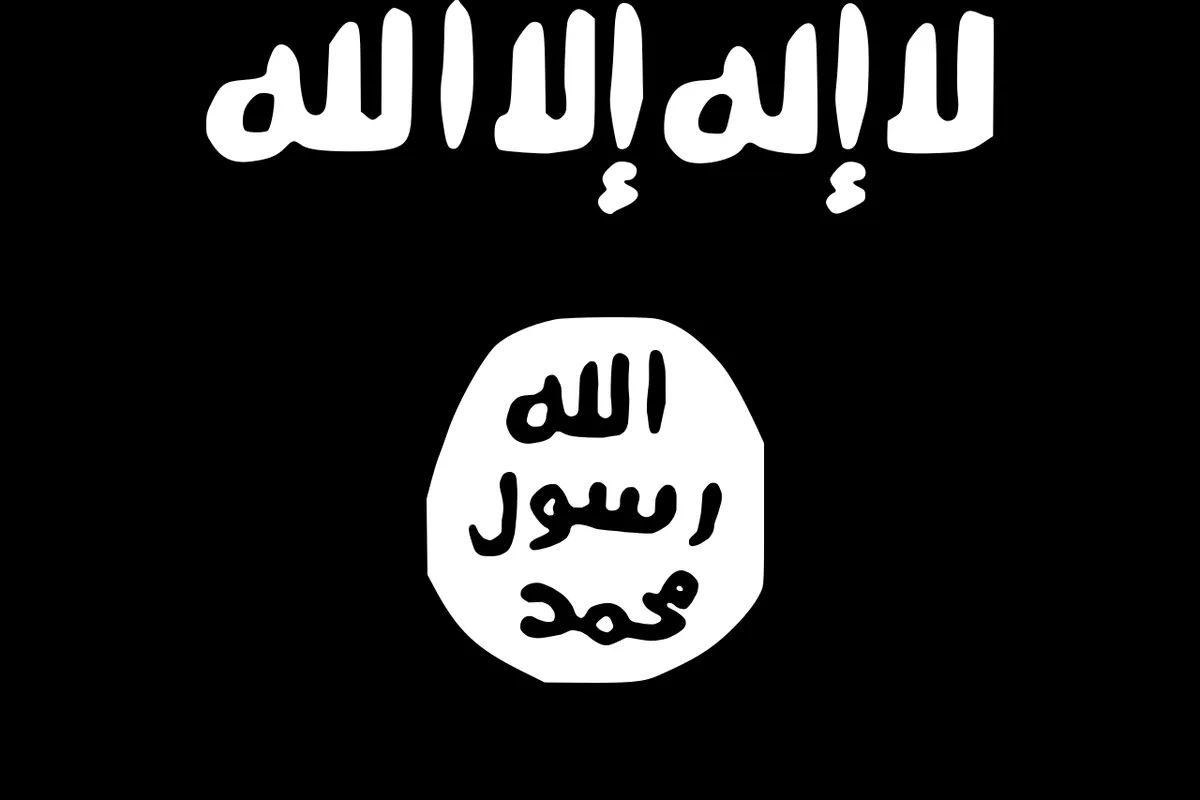
According to the Italian news agency ANSA, the teenager, who resides in the Como area, is also accused of propaganda and incitement to crime based on racial, ethnic, and religious discrimination. Investigators found "clear references to the Islamic State" on his online profile, along with numerous chats in which he shared jihadist, neo-Nazi, and anti-Semitic content.
According to La Repubblica, videos of training sessions and executions of prisoners were also discovered on the teenager's computers. He was in contact with members of the Islamic State, exchanging messages with them, and also possessed manuals for making explosive devices. These details indicate a serious level of radicalization and a potential intent to carry out attacks.
The case has raised alarm among Italian security services, particularly due to the suspect's age. It demonstrates how vulnerable young people are to online recruitment by extremist groups and how easily they can access dangerous materials via the internet. The investigation is ongoing, and the young man is being held in a juvenile detention center.
Although there is no direct link to Croatia, the case serves as a stark reminder of the ongoing threat of radicalization among young people across Europe, which is a challenge for the security policies of all European Union member states.