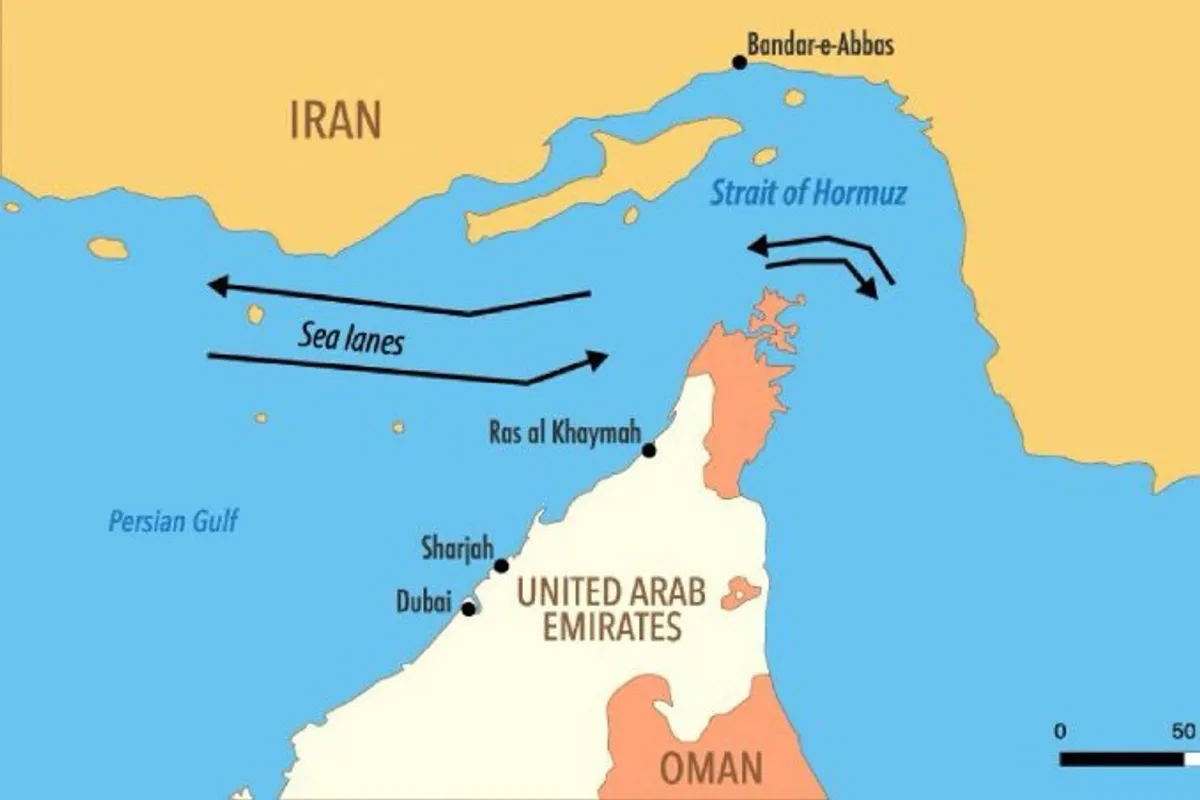
Tensions between Washington and Tehran have reached a new, dangerous level after Iranian Supreme Leader's advisor Mohsen Rezaei accused US President Donald Trump of potentially "sparking the flame of World War III" with his actions. The sharp rhetoric comes amid contradictory signals about the state of negotiations over the fate of the Strait of Hormuz, a crucial global maritime artery through which a significant portion of the world's oil shipments pass.
Rezaei, speaking on Iranian television as reported by Israel's public broadcaster Kan, was unequivocal. "We will not allow the opening of a second corridor in the Strait of Hormuz. Any warship or military force that approaches it will be attacked," said the advisor to Supreme Leader Mojtaba Khamenei, making it clear that Iran will not tolerate any foreign military presence in the strategic waterway.
Trump: 'A Deal Could Be Reached Today or Tomorrow'
On the other hand, optimistic statements are coming from Washington. US Treasury Secretary Bessent stated, according to CNBC, that he believes there is a chance to reach a deal on reopening the strait in the very near future. "We saw Trump last week threaten what would be the largest military campaign since World War II against the Iranians, and now, because of that, we are negotiating with the Iranians. I think there is a chance that we could reach a deal on reopening the strait as early as today or tomorrow," Bessent said.
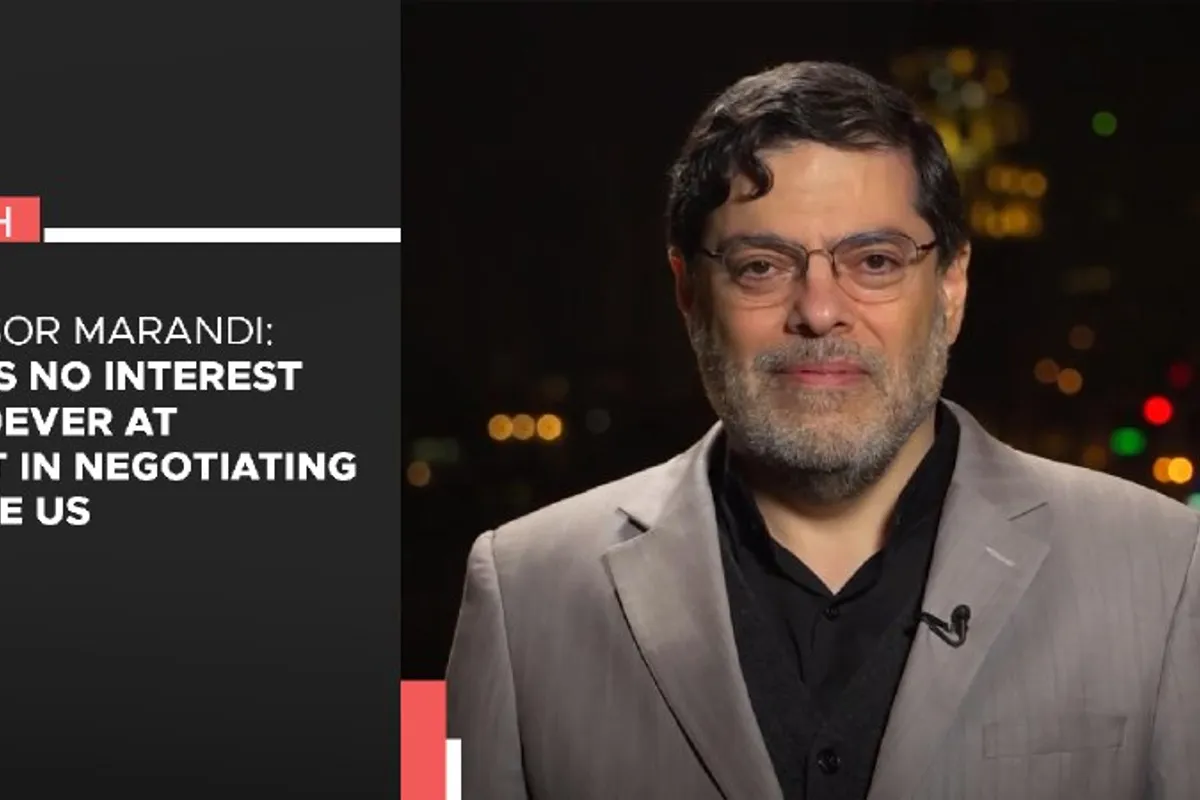
Trump himself claims that Tehran has been "begging" for negotiations and that talks are underway, and that the Strait of Hormuz could be reopened "literally as early as tomorrow." Trump outlined a two-step plan: first, reopening the strait for maritime traffic, and then the "denuclearization" of Iran. "It will take some more time, but we are acting very decisively on this issue," the US President said.
Iran Negotiates with Oman, Bypassing Washington
Tehran, however, strongly denies that any direct talks with Washington are taking place. According to information provided to Reuters by a senior Iranian source, Iran is negotiating exclusively with Oman on a temporary solution for safe navigation through the strait, attempting to completely bypass the United States after a series of failed attempts to reach an agreement.
Under this proposal, Iran would assume full control over all vessels entering the Strait of Hormuz, while ships exiting would use the shipping lane between Iran and Oman. Oman would first approve their exit and then inform Tehran. Iran would retain control over the entire area and the ability to intervene when it deems necessary. The senior Iranian source adds that it is unlikely that Iranian authorities will accept any alternative proposal for reopening the waterway.
Qatar: No Direct Talks, but Efforts Continue
Amid the diplomatic turmoil, Qatar is emerging as a key mediator. Majed Al Ansari, spokesperson for Qatar's Ministry of Foreign Affairs, confirmed on August 4, 2026, that efforts for a diplomatic solution continue with all parties, but there are no direct talks between Americans and Iranians. "We can confirm that efforts continue with all parties," Al Ansari stated, adding that discussions are focused on a short-term solution that would help restart negotiations.
Al Ansari emphasized that the situation could change in the coming hours or days. "We always strive to gain the support of all our international and regional partners to achieve a diplomatic solution to this crisis," he said.
At the same time, Qatar accused Israel of trying to derail the peace plan through intensified attacks on Gaza in recent days. "The intensification of Israeli attacks on Gaza in recent days is nothing but an attempt to derail the implementation of the plan and block peaceful solutions to the conflict," Al Ansari said.