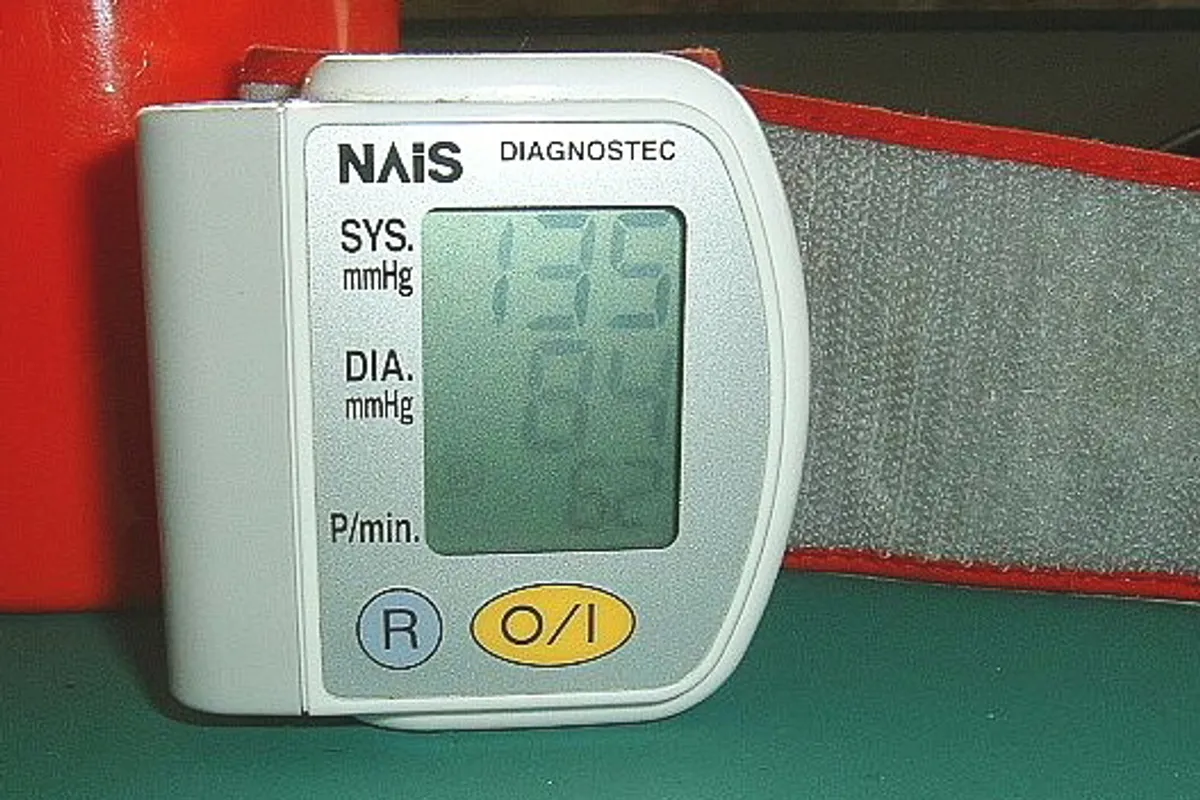
As Croatia grapples with yet another heat wave, most advice focuses on staying hydrated and seeking shade. However, few consider the direct impact of extreme heat on the cardiovascular system. Cardiologist Dr. Nieca Goldberg from NYU Langone Health warns that prolonged exposure to high temperatures can lead to a dangerous drop in blood pressure and put additional strain on the heart.
How Heat Lowers Blood Pressure and Strains the Heart
The mechanism is simple but potentially dangerous. "When the body overheats, blood vessels dilate to release heat. This can lead to a drop in blood pressure, especially if dehydration occurs due to sweating," explains Dr. Goldberg to Parade. While a drop in blood pressure might initially seem desirable, a sudden change can cause dizziness and weakness.
"The extent of the change depends on the individual, with factors like body weight and fitness also playing a role. Some may feel weak or dizzy, especially when standing up quickly or after prolonged time outdoors," she adds. At the same time, the heart must work harder to cool the body, causing the pulse to quicken even during light activities. "Fluid loss through sweating can reduce blood volume, making it harder for the heart to pump," the cardiologist notes.
Scientific Confirmation: Each Degree Increases Mortality
The danger is not just theoretical. A study published in 2024 in the prestigious journal Circulation Research showed a clear link between rising temperatures and cardiovascular mortality. Scientists found that heart disease mortality increases by 2.1 percent with each degree rise in temperature.
For individuals with existing heart conditions, heat-induced changes can result in chest discomfort, shortness of breath, or even fainting. Dr. Goldberg highlights at-risk groups: "Older adults are at greater risk because their bodies don't regulate temperature as efficiently and they have more difficulty recognizing early signs of heat exhaustion."
Key Prevention Tips
The cardiologist emphasizes the importance of proactive protection, especially for those with diagnosed heart disease, low blood pressure, obesity, diabetes, or kidney disease. "Plan outdoor activities during cooler parts of the day, drink plenty of fluids, wear light clothing, and rest in the shade or an air-conditioned space," she advises.
She also warns that certain medications, such as diuretics and blood pressure regulators, can increase the risk of dehydration or hinder the body's adaptation to high temperatures. Therefore, individuals with chronic conditions are advised to consult their doctor about potential therapy adjustments during heat waves.
When to Seek Immediate Help
Recognizing alarming signs is crucial to preventing serious complications. Symptoms to watch for include dizziness, extreme fatigue, heart palpitations, chest discomfort, shortness of breath, or fainting. "These symptoms should not be ignored, especially if you already have heart problems," emphasizes Dr. Goldberg.
If symptoms occur, stop all activity immediately and move to a cool place. "Drink water if you can, loosen tight clothing, and rest. If symptoms don't improve quickly or you experience chest pain, persistent shortness of breath, confusion, or loss of consciousness, seek emergency medical help right away," the cardiologist concludes.