Trump Furious Over Ammunition Shortage
Camp David clash exposes serious logistical problems for the U.S. military in the war with Iran, with global security implications.
Camp David clash exposes serious logistical problems for the U.S. military in the war with Iran, with global security implications.
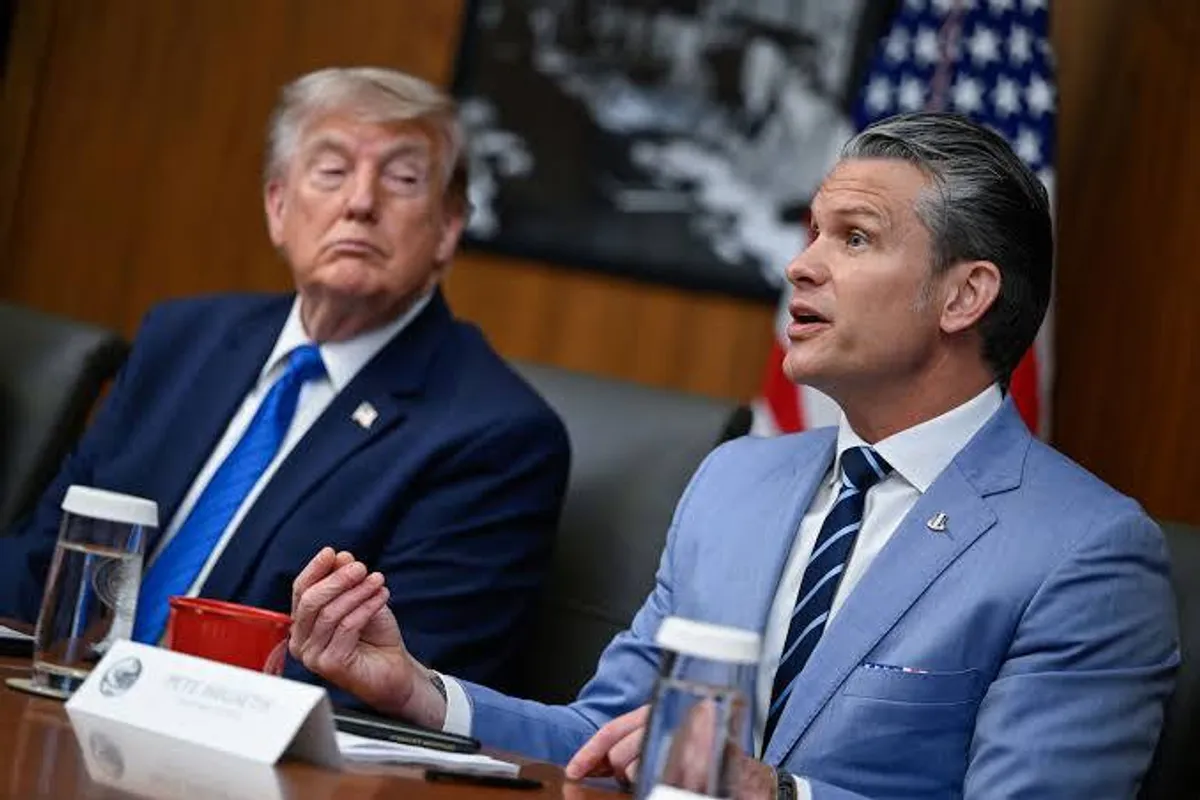
President Donald Trump confronted Defense Secretary Pete Hegseth at Camp David last week, demanding an explanation for why he had been given inaccurate information about a severe ammunition shortage. Two people familiar with the conversation told The Washington Post that Trump had been convinced the problem with military stockpiles was "resolved."
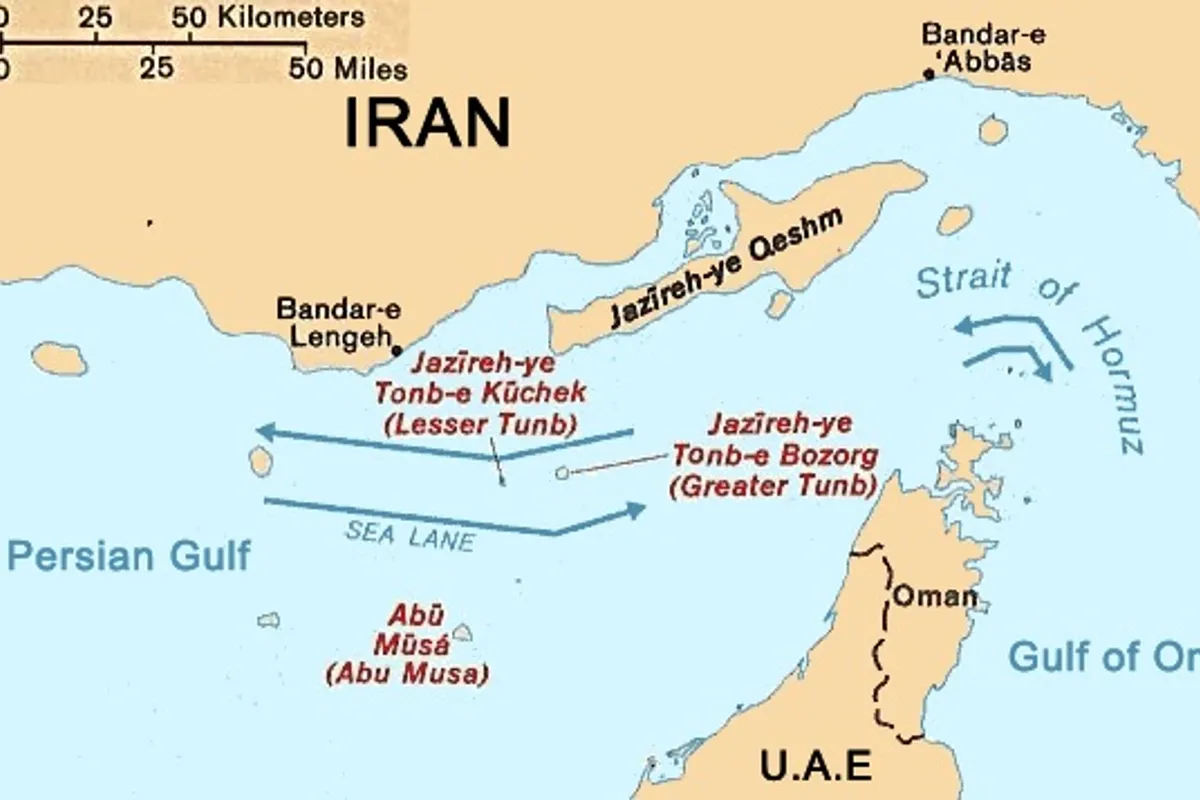
It was these shortages, particularly of long-range missiles and interceptors for air defense, that led the president to hold back from further massive strikes on Iran in recent days, one of the sources revealed. Trump announced on Monday that he had ordered the "largest attack since World War II," but then pulled back, while information is awaited on renewed negotiations regarding the Strait of Hormuz.
The administration sharply denied the entire story. "That is 100% fake news. It literally never happened. President Trump has full confidence in Secretary Hegseth," White House spokesperson Karoline Leavitt said.
The Pentagon's chief spokesperson, Sean Parnell, was equally blunt: "Secretary Hegseth has not misled anyone regarding the state of our ammunition stockpiles and did not blame Deputy Secretary Feinberg. Claims of depleted stockpiles, internal discord, and the Secretary's stance on Iran are equally fabricated."
The data on expended munitions is staggering. During the first month of the conflict with Iran, the United States launched over 850 Tomahawk cruise missiles and more than a thousand rounds of ammunition for Patriot and THAAD systems. In the opening weeks of combat operations, the Army also expended over 1,300 tactical ballistic missiles.
As for ATACMS short-range missiles, for which there is also huge demand in Ukraine, the situation is so critical that they are almost gone, one source confirmed, and this information was also reported by Reuters earlier this week. Although Washington has signed new contracts for the production of the most important types of ammunition, such as those for Patriot, manufacturing them takes up to two years, so there is no quick fix for the situation.
The shortage of defensive ammunition is also being felt far from the Middle East. Kyiv is running out of air defense systems, and the chances of replenishing them from Western reserves are extremely slim, leaving Ukraine increasingly exposed to Russian long-range attacks.
The lack of interceptors is also affecting U.S. tactics in deciding whether to use them at all against incoming threats, which now depends on assessing the missile's trajectory and whether it poses a "significant factor," a U.S. official told The Washington Post. NBC News was the first to report on this adjustment in approach.
When Trump pressed Hegseth at Camp David about the nearly empty warehouses, Hegseth blamed his deputy, Stephen Feinberg, for the situation and for the president allegedly not being informed in a timely manner, both sources told The Washington Post.
At a Senate hearing in July 2026, Hegseth, Feinberg, and General Dan Caine, Chairman of the Joint Chiefs, requested congressional approval of an additional $67 billion to cover the costs of the war with Iran. Last month, Hegseth told lawmakers that the package was "urgent and necessary" to replenish military stockpiles. The entire administration is seeking a record defense budget of $1.5 trillion for the next fiscal year.
The conflict with Iran has been ongoing for more than five months, has claimed the lives of 18 American soldiers and wounded hundreds of others, and the two sides remain in a stalemate. The Camp David incident further exposed the president's growing frustration with the defense secretary, who was one of the most vocal advocates for early military intervention against Tehran.
During the aforementioned July Senate session, Hegseth fiercely argued with Democrats when asked whether he had given the president realistic assessments of the war with Iran, including the dangers that a prolonged campaign poses to U.S. weapons stockpiles. Since the "Signalgate" affair, when Hegseth shared classified information in a group chat that included a journalist just a few months after taking office, speculation has been rife about how long he will continue to enjoy Trump's favor.
Since returning to power, Trump has launched military operations in seven countries: Venezuela, Yemen, Somalia, Syria, Iraq, Nigeria, and Iran.