Trump Delays Strike on Iran, Seeks Deal on Hormuz
Israel on Highest Alert for Possible Iranian Response, While Saudi Arabia Calls for De-escalation.
Israel on Highest Alert for Possible Iranian Response, While Saudi Arabia Calls for De-escalation.
U.S. President Donald J. Trump announced on Saturday, August 2, 2026, that he had called off a planned military strike on the Islamic Republic of Iran, expressing hope that a deal could be quickly reached to reopen the Strait of Hormuz and end Iran's "nuclear threat." The decision came amid rising tensions and preparations for a potential large-scale conflict in the Middle East.
In a post on his Telegram channel, the White House relayed Trump's statement: "The United States is ready and armed and prepared to take action against the Islamic Republic of Iran, at levels of military intimidation, force, and power not seen since World War II. Nevertheless, Iran and other countries in the Middle East have just asked us to delay any attack because frameworks for a deal have been put in place. This would include the immediate, complete, and total OPENING OF THE STRAIT OF HORMUZ..."
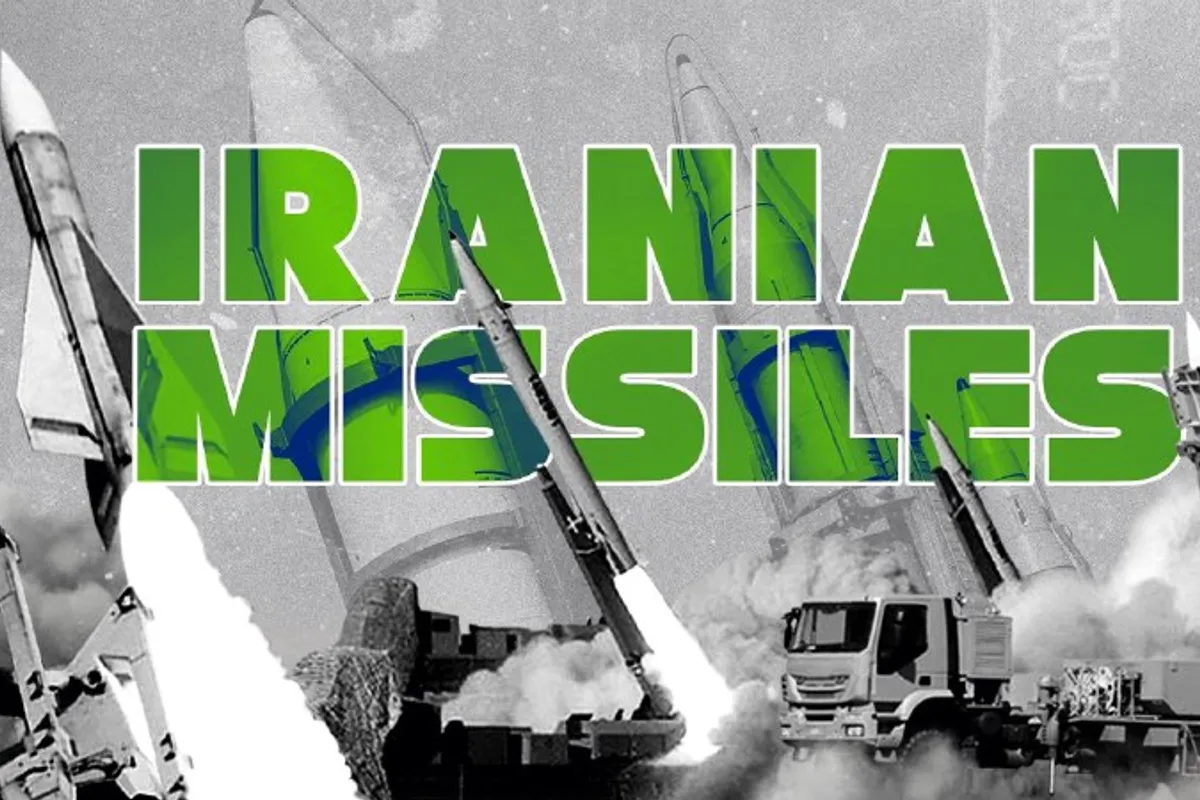
According to a report from SouthFront on August 1, the Israeli military has been placed on its highest level of alert. Assessments suggest that Iran will launch ballistic missiles at Israeli targets even if Israeli forces do not directly participate in a potential U.S. strike. Israeli daily Haaretz, citing CBS, confirmed that the country is in a state of "high readiness."
Although the Israeli military command has not issued official statements, and civilian security guidelines have not been changed, reports indicate logistical congestion at Ben Gurion Airport due to the arrival of numerous U.S. aerial refueling aircraft at regional bases.
Iranian state media, including the Fars agency, reported that Tehran has designated Israel's offshore gas fields, Leviathan and Tamar, as immediate targets for retaliation. Oil and gas facilities, refineries, and pipelines across Saudi Arabia, the United Arab Emirates, Qatar, Kuwait, and Bahrain were also listed as potential targets.
Commander of Iran's Khatam al-Anbia Central Headquarters, Major General Ali Abdollahi, warned that any country acting as a "defensive shield" for Washington would "burn in the fire of war." Iranian parliament spokesman Ebrahim Rezaei further escalated rhetoric, warning that any attack on Iranian infrastructure would trigger a response that would "send the entire region and its facilities back to the Stone Age."
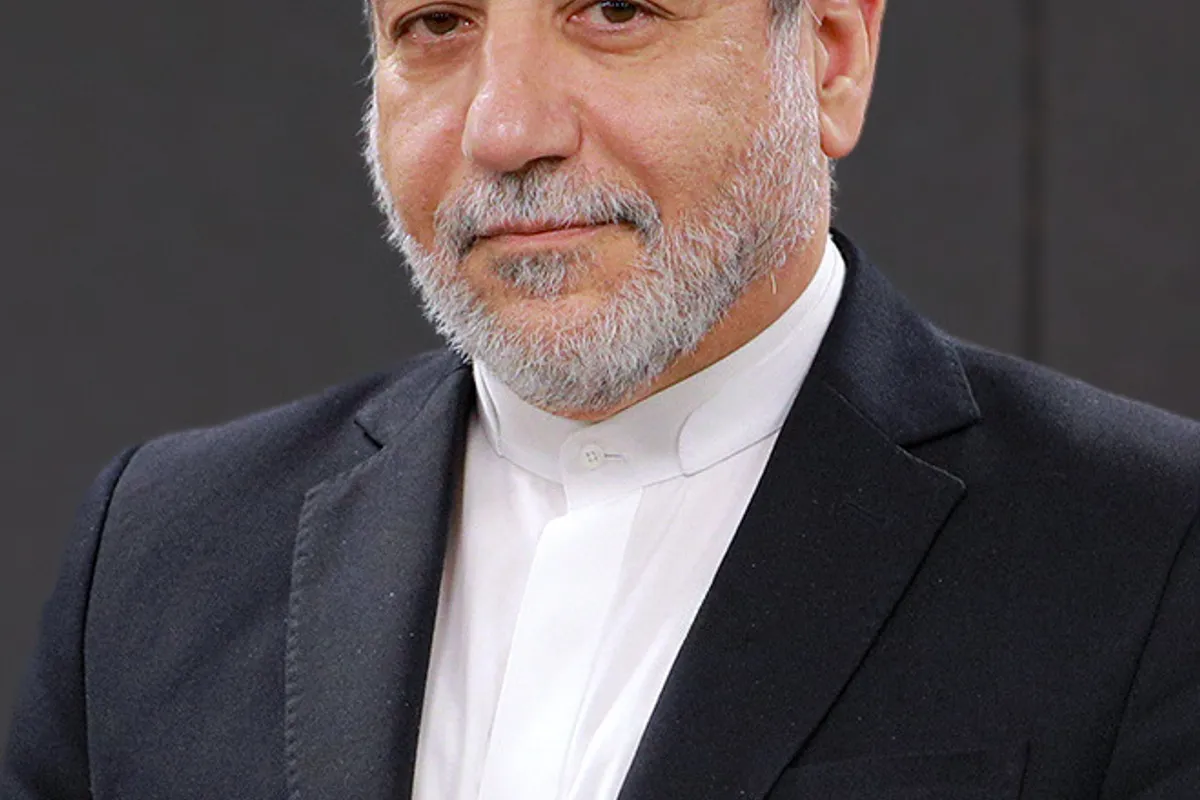
Iranian Foreign Minister Abbas Araghchi launched intensive diplomatic consultations, speaking by phone with Turkish Foreign Minister Hakan Fidan and Pakistani Army Chief of Staff Asim Munir. During the calls, Araghchi warned against any "adventurist action" by the U.S. and emphasized Iran's full readiness to respond decisively to aggression, as announced on his official Telegram channel.
Saudi Prime Minister Mohammed bin Salman also, according to Axios as relayed by Al Mayadeen English, expressed concerns to President Trump about plans for major strikes on Iran, urging Washington to de-escalate. Meanwhile, the U.S. State Department issued updated travel advisories on Saturday, urging American citizens to avoid travel to the Middle East and those already there to "consider leaving or be prepared to leave if escalation occurs."
The planned U.S. operation, which has not yet received final Trump approval, could reportedly last up to two weeks and involve extensive airstrikes on Iranian civilian infrastructure, including power plants, electrical grids, and petrochemical facilities, with the aim of cutting off electricity supply in Tehran. The war, already six months old with no clear conclusion, leaves the region just one step away from a major conflict.