Trump Backs Down from Attack on Iran, Oil Prices Drop More Than 5%
US President announces talks with Tehran starting Monday, regional allies urged delay of strike.
US President announces talks with Tehran starting Monday, regional allies urged delay of strike.
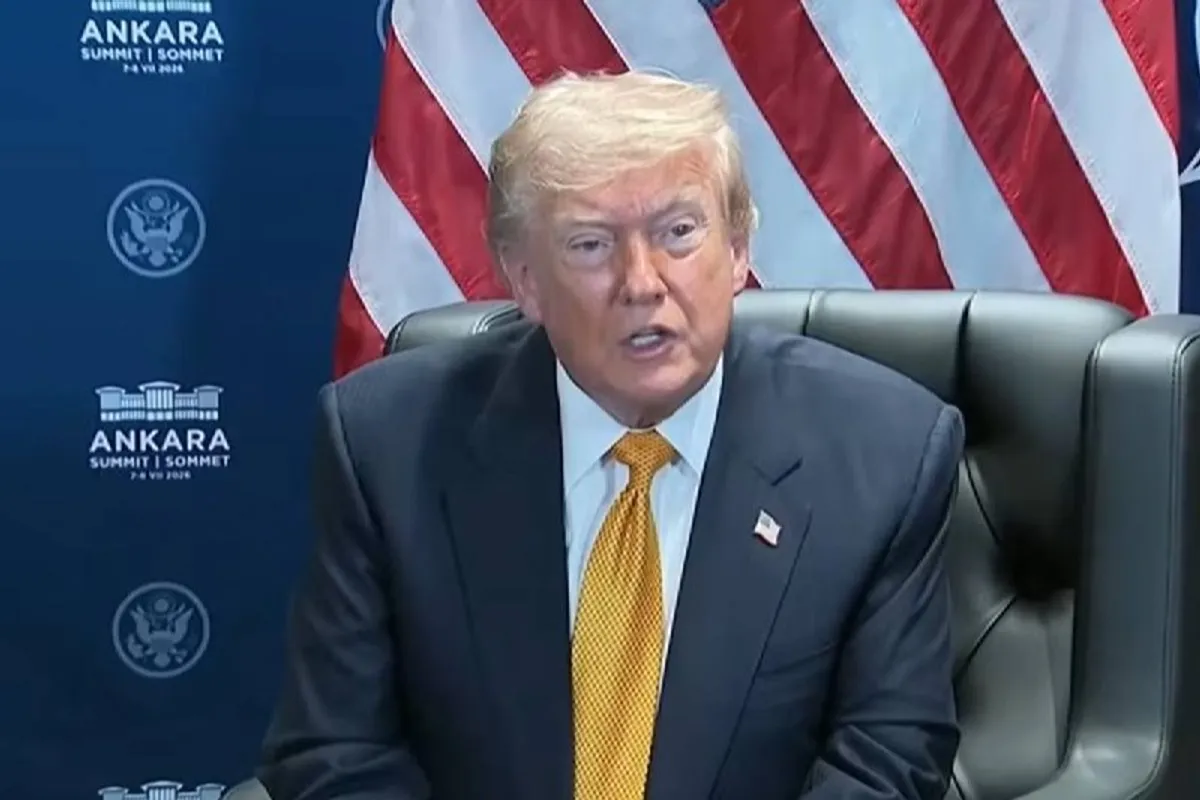
Oil prices plunged on Sunday evening after US President Donald Trump announced he had called off planned military strikes on Iran to open the door for negotiations on a new nuclear deal. According to AP World News, the price of US crude oil fell 5% to $80.79 per barrel, while Brent crude, the international benchmark, also dropped 5% to $83.87 per barrel. Al Mayadeen English, meanwhile, reports a decline of more than 6%.
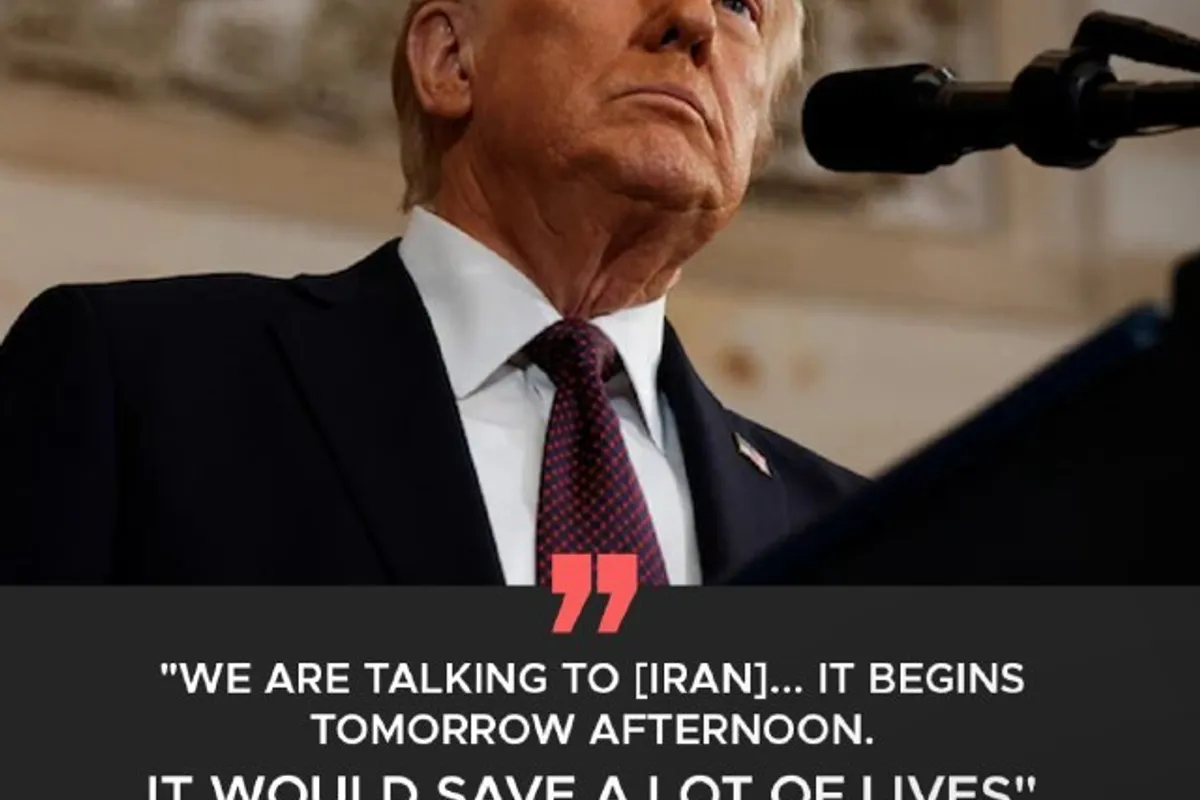
Trump told reporters on Sunday aboard Air Force One that talks with Iran would begin Monday afternoon, without providing details on the venue or participants. "Obviously, they don't want to be attacked. They knew the scale of the attack because they saw it forming," Trump said, as reported by Insider Paper. "What we're doing now is talking to them in the form of negotiations. It starts tomorrow afternoon."
Trump explained that Iran, as well as US partners Saudi Arabia, the United Arab Emirates, and Qatar, had asked him to call off the attack. "When allies ask for a delay, you kind of have to say, 'Well, let's see.' And the reason they're asking is because they think there's a deal," Trump said.
He stressed that the planned strikes would have been "the biggest action since World War II" and would have taken "many, many years to rebuild, if it could be rebuilt at all." Saudi Crown Prince Mohammed Bin Salman, according to Trump, warned of potential unintended consequences. "Will they be flooded with people rushing into their country and disaster? A lot of bad things can happen," Trump quoted the prince's warning.
Trump announced that a deal on the Strait of Hormuz would be reached first, followed by the nuclear issue, namely the "denuclearization of Iran." According to Stuff (NZ), this is a compromise agreement that would allow the strait to reopen but leaves Iran in control of that vital waterway. The Strait of Hormuz is a key passage for global energy supplies, and Iran has tightened its control over it in recent weeks after the previous ceasefire agreement collapsed.
The war began on February 28, 2026, when the US and Israel launched surprise attacks on Iran. Months of intermittent diplomacy led to a period of relative calm, but clashes continued. According to AP World News, US crude oil prices on Sunday evening were about 20% higher than before the conflict began, although they had repeatedly exceeded $100 per barrel during the spring.
High oil prices have been reflected in the cost of gasoline, jet fuel, and many other products. In some countries, fuel supplies have dwindled, leading to rationing and occasional closures of schools and government offices. Meanwhile, oil and gas companies have posted huge profits during the spring due to high prices caused by the inability of tankers to pass through the Strait of Hormuz, AP World News reports.