Trump Calls Off Strike on Iran After Call from Saudi Prince
Saudi Crown Prince Mohammed bin Salman urged the US president to de-escalate, while Iran denies requesting a delay.
Saudi Crown Prince Mohammed bin Salman urged the US president to de-escalate, while Iran denies requesting a delay.
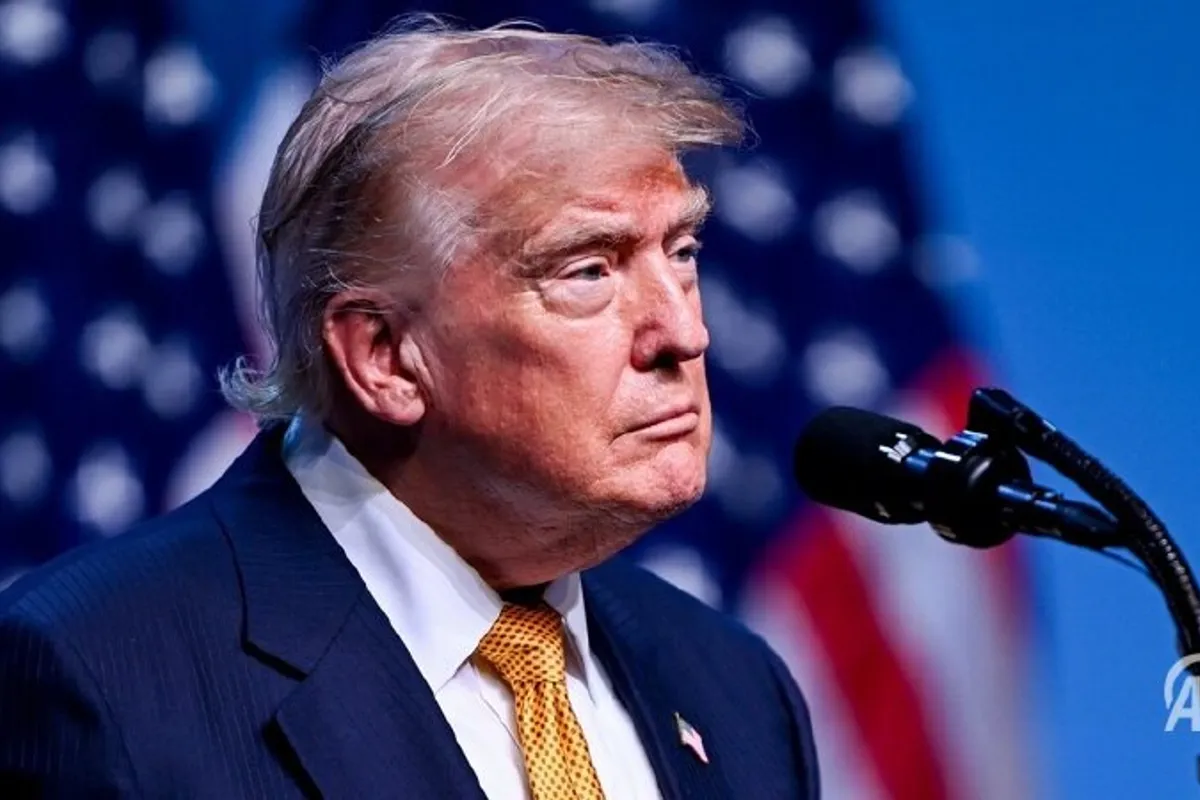
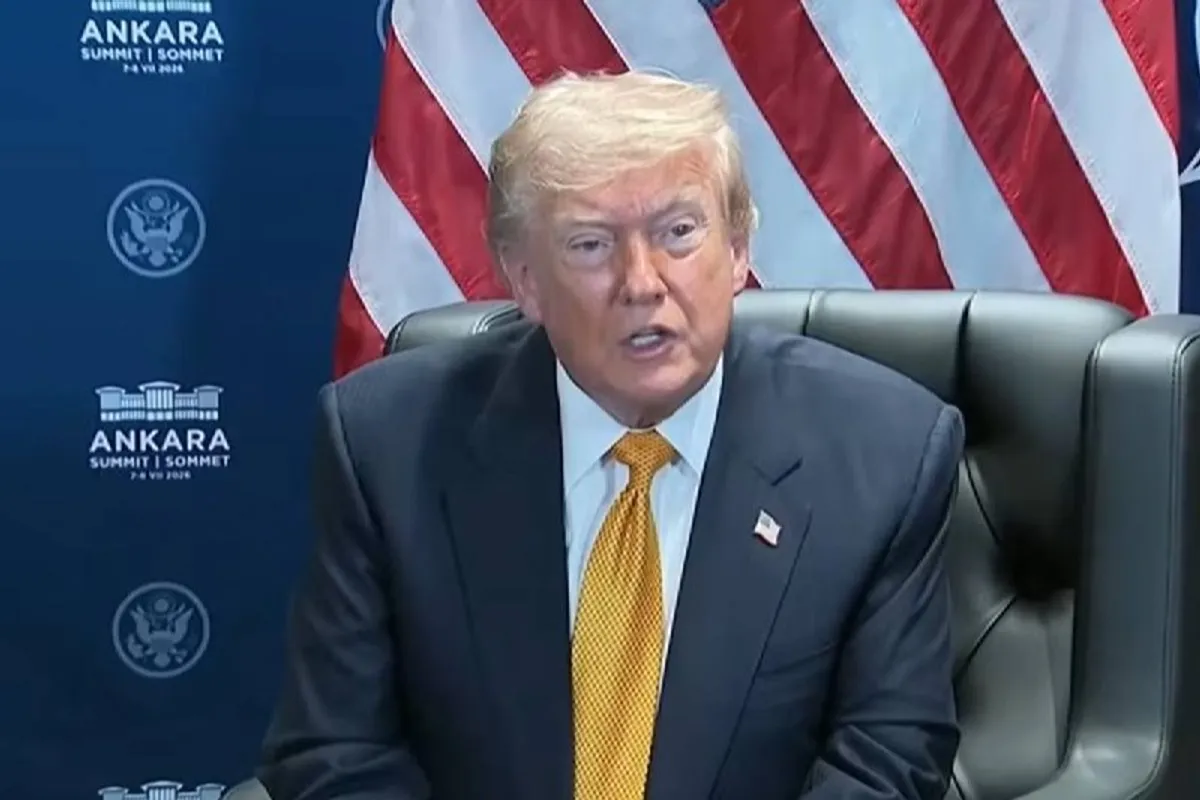
US President Donald Trump announced on Saturday, August 2, 2026, that he had called off a planned military strike on Iran. The decision came after diplomatic pressure from Gulf allies, with a phone call from Saudi Crown Prince Mohammed bin Salman proving pivotal, according to Jutarnji list, citing Axios journalist Barak Ravid.
On his Truth Social platform, Trump wrote that "Iran and other Middle Eastern countries" had asked him to postpone the strike because agreement frameworks had been reached. According to him, the deal would include "the immediate, complete, and unconditional opening of the Strait of Hormuz and an end to the Iranian nuclear threat."
As reported by Jutarnji list, Saudi Crown Prince bin Salman personally called Trump on Saturday to express concern over plans for new large-scale strikes. "The Saudis expressed concern and requested clarification of the action plan," a US official told Axios. Another source familiar with the conversation claims bin Salman urged Trump to de-escalate and refrain from striking.
Days earlier, Trump had also met with representatives from Qatar, the United Arab Emirates, Turkey, and Pakistan, who are also pressing both sides to calm tensions. Meanwhile, Iranian Foreign Minister Abbas Araghchi spoke with Qatari mediators, White House envoy Steve Witkoff, and Omani officials about reopening the Strait of Hormuz.
Iranian state media deny that Tehran requested the cancellation of the strike. The semi-official Fars news agency commented on Trump's announcement: "Again the mountain labored and brought forth a mouse."
Analyst Iman Agari told Iran International that Iran is playing for time: "Iran has no intention of reaching a deal; it is trying to buy time to rebuild its own deterrence capabilities and the so-called axis of resistance." According to him, as soon as the Islamic Republic feels threatened, it starts talking about negotiations or brings in mediators.
The US-Iran conflict has been ongoing since February 28, 2026, and Trump has repeatedly made dramatic threats that he later retracted, as Pakistan's Dawn reminds us. As early as March 21, he threatened to destroy Iranian power plants within 48 hours if the Strait of Hormuz was not reopened. He extended and paused the deadline, then on April 7 announced that "the entire civilization will die tonight," only to agree to a two-week truce hours later.
A similar pattern repeated on June 11, when he announced the cancellation of strikes five hours after announcing them, citing progress in negotiations. In late July, he again threatened to "hit Iran hard," only to announce the latest retreat in early August.
The Strait of Hormuz, through which about a quarter of the world's seaborne oil trade passes, has been closed since the start of the conflict. During July, the price of Brent crude rose by 24 percent, which was felt in the wallets of citizens in Western countries, including Croatia. The hardest hit are countries that rely entirely on this maritime route for their exports: Iraq, Kuwait, Qatar, and Bahrain. Saudi Arabia and the UAE have managed to redirect some of their exports through alternative routes, but their maneuvering space is shrinking the longer the conflict lasts.
According to the Tehran Times, the commander of US European Command, General Alexus Grynkewich, warned the Pentagon that he lacks sufficient naval forces to simultaneously protect Israel and defend US territory. The paper interprets this as confirmation of Iran's strategic success and the high price Washington pays for its hostility toward Tehran.