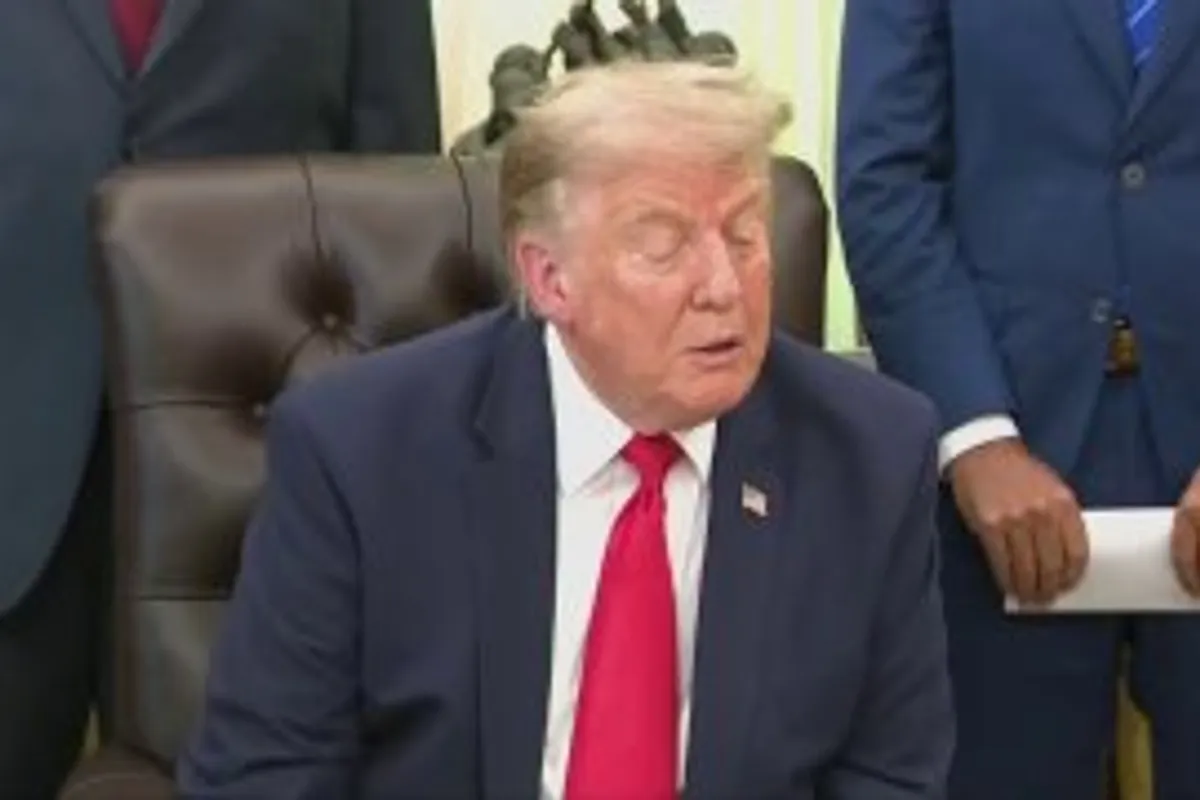
U srijedu, 29. srpnja 2026., američki predsjednik Donald Trump ugostio je izraelskog premijera Benjamina Netanyahua u Bijeloj kući, s fokusom na suzbijanje iranskog nuklearnog programa. Prema izvoru iz izraelskih vlasti, analizirane su tri opcije: diplomatski dogovor s Teheranom, nastavak ekonomskih sankcija i pomorske blokade, te velika vojna ofenziva. Trump je pritom upozorio Iran na "vrlo jak" odgovor.
"Udarit ćemo ih vrlo jako, jer je na nas red da ih udarimo", izjavio je Trump, dodajući u drugoj izjavi: "Mogu to reći jer im je vrlo malo moguće učiniti po tom pitanju." Ove poruke prenijeli su Telegram kanali koji prate sigurnosne teme.
Anonimni izraelski dužnosnik, koji je želio ostati nepoznat, rekao je da Netanyahu nije naglasio preferenciju za vojni napad, već su sve tri opcije ostale otvorene. "Na kraju je to njegova odluka", rekao je o Trumpu, napominjući da postoje naznake da je iransko vodstvo destabilizirano zbog rasta inflacije i građanskog nezadovoljstva, ali je potrebno uzeti u obzir i utjecaj na globalno gospodarstvo i naftno tržište.
Pojačani sukobi i rast cijena nafte
Istog dana, tenzije između SAD-a i Irana su se dodatno pogoršale. Kako prenosi Novi list, američke i saudijske snage izvele su napade na proiranske paravojne formacije u Iraku, dok je Iran objavio da je ciljao američke baze u Jordanu i brodove u Hormuškom tjesnacu. Teheran je također odbacio prijedlog Omana o zajedničkom nadzoru tog ključnog plovnog puta.
Zračna kampanja protiv Irana počela je 28. veljače 2026., kada su Izrael i SAD započeli zajedničke operacije. Izrael se nije pridružio najnovijoj dvotjednoj američkoj ofenzivi ovog mjeseca, koja je izazvala iranske odmazde na američke vojne baze, ali je upozorio da će snažno uzvratiti ako bude napadnut.
Zbog povećanih napetosti, cijene nafte su u srijedu značajno porasle, što odražava bojazni tržišta o opskrbi.