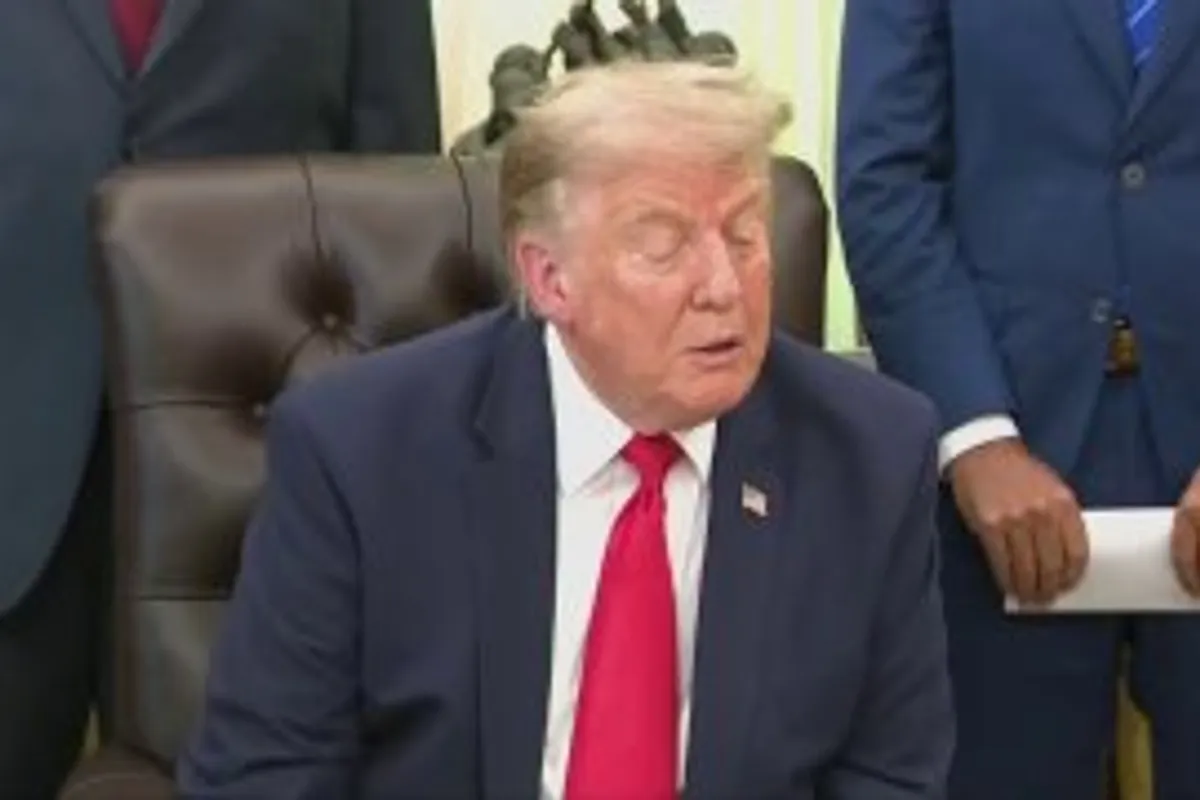
On Wednesday, July 29, 2026, U.S. President Donald Trump hosted Israeli Prime Minister Benjamin Netanyahu at the White House, focusing on curbing Iran's nuclear program. According to a source from Israeli authorities, three options were analyzed: a diplomatic agreement with Tehran, continued economic sanctions and a naval blockade, and a major military offensive. Trump warned Iran of a "very strong" response.
"We will hit them very hard, because it's our turn to hit them," Trump said, adding in a second statement: "I can say that because they have very few options in this regard." These messages were relayed by Telegram channels that track security topics.
An anonymous Israeli official, who wished to remain unnamed, said Netanyahu did not emphasize a preference for a military strike, but all three options remained on the table. "Ultimately, it's his decision," he said of Trump, noting that there are signs that Iran's leadership is destabilized due to rising inflation and civil discontent, but the impact on the global economy and the oil market must also be considered.
Escalating Conflicts and Rising Oil Prices
On the same day, tensions between the U.S. and Iran further deteriorated. As reported by Novi list, American and Saudi forces carried out strikes on pro-Iranian paramilitary formations in Iraq, while Iran announced it had targeted U.S. bases in Jordan and ships in the Strait of Hormuz. Tehran also rejected Oman's proposal for joint oversight of that crucial waterway.
The air campaign against Iran began on February 28, 2026, when Israel and the U.S. launched joint operations. Israel did not join the latest two-week American offensive this month, which provoked Iranian retaliations on U.S. military bases, but warned it would respond forcefully if attacked.
Due to heightened tensions, oil prices rose significantly on Wednesday, reflecting market concerns about supply.