Under pressure from low import prices, fruit grower Domagoj Škobić from Aljmaš has decided to uproot his apricot orchard. Five thousand trees are being turned into mulch, and the reason is clear, cheap imported goods leave no room for profit, even with cold storage facilities.
Oversupply in Storage and Lack of Understanding from Retail Chains
"We have a very large quantity in storage, and you simply can't keep up, you can't manage. It just eats itself," Škobić told HRT. Although apricots yielded excellently this year, the problem isn't overproduction but the attitude of retail chains toward domestic produce. "This isn't about some 'overproduction'; it's simply about a lack of understanding from importers and retail chains for that small, small portion of domestic production," Škobić notes.
Croatia Produces Only Ten Percent of Its Apricot Consumption
According to data from an HRT article, domestic production covers only about ten percent of total apricot consumption in Croatia. However, the Croatian Fruit Growers' Association warns that the problem isn't quantities but the production methods. A key shortfall is the lack of modernization, primarily irrigation.
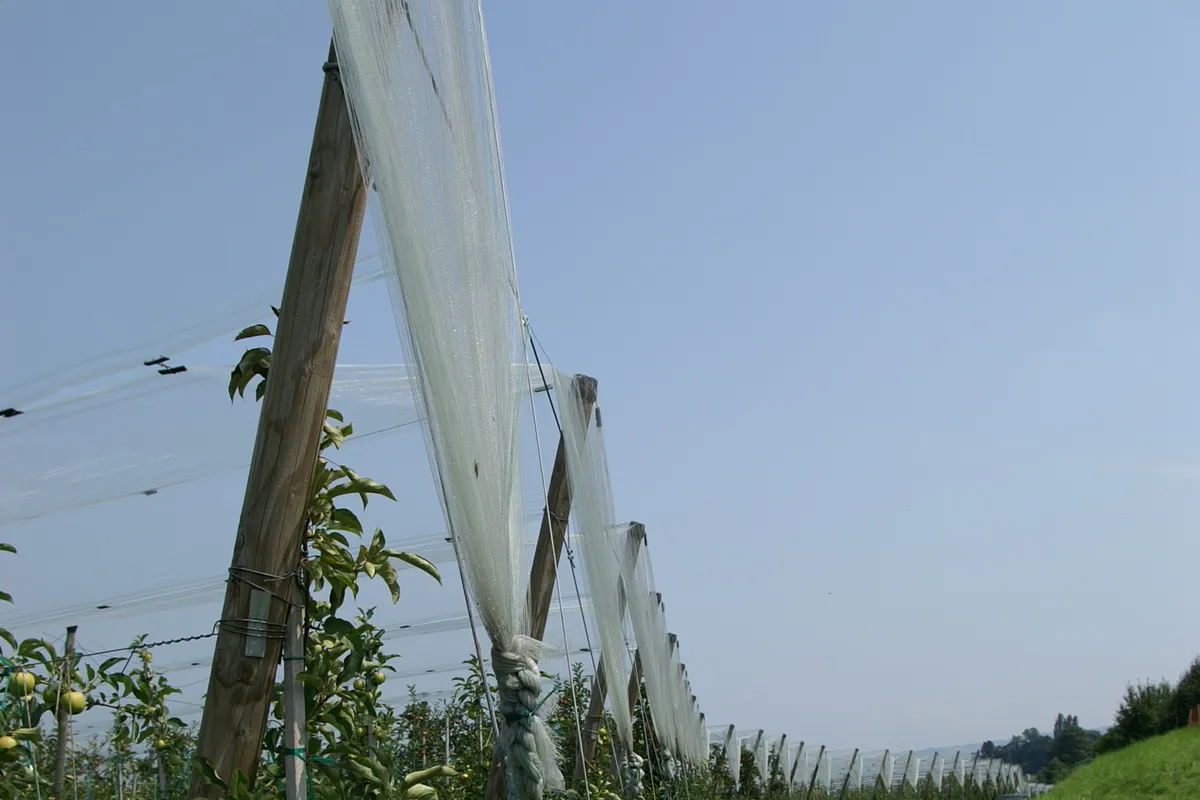
"We can't be competitive in any fruit production, of any fruit type, without proper irrigation. And everything that our competitors have," said Stjepan Zorić from the Croatian Fruit Growers' Association. Besides irrigation, foreign competitors also use protective nets, anti-frost systems, and enjoy greater loyalty from domestic buyers. "As a rule, it's always a fight for profit, and we understand that. Though it's not always like that; there is some local patriotism, say, in some countries, so they prefer buying domestic products," Zorić pointed out.
Baranja Cooperative Halts Plum Harvest
A similar fate befell the Veterans' Social and Work Cooperative from Darda in Baranja. On their 6 hectares, plums yielded well, but while they successfully sell industrial plums, they have nowhere to go with table plums. Here too, the main problem is retail chains and their promotions that drive prices down.
"They blackmail us and lower prices; when I hear there's going to be a weekend promotion, I get a headache because I know that's it, the price has dropped, and we have no chance anymore," said Renato Kovač from the cooperative. Due to unprofitability, they decided on a radical move. "We're left with less than twenty cents per kilogram; well, let others judge whether that's profitable. We've stopped the harvest and won't deliver at that price," Kovač emphasized.
Modernization Is Key, but Capital Is Lacking
Although the value of imported fruit and vegetables reached €600 million this year, domestic producers warn that without investment in orchard modernization, for which they lack cheaper capital, such scenes of uprooting orchards and halting harvests will not be rare.