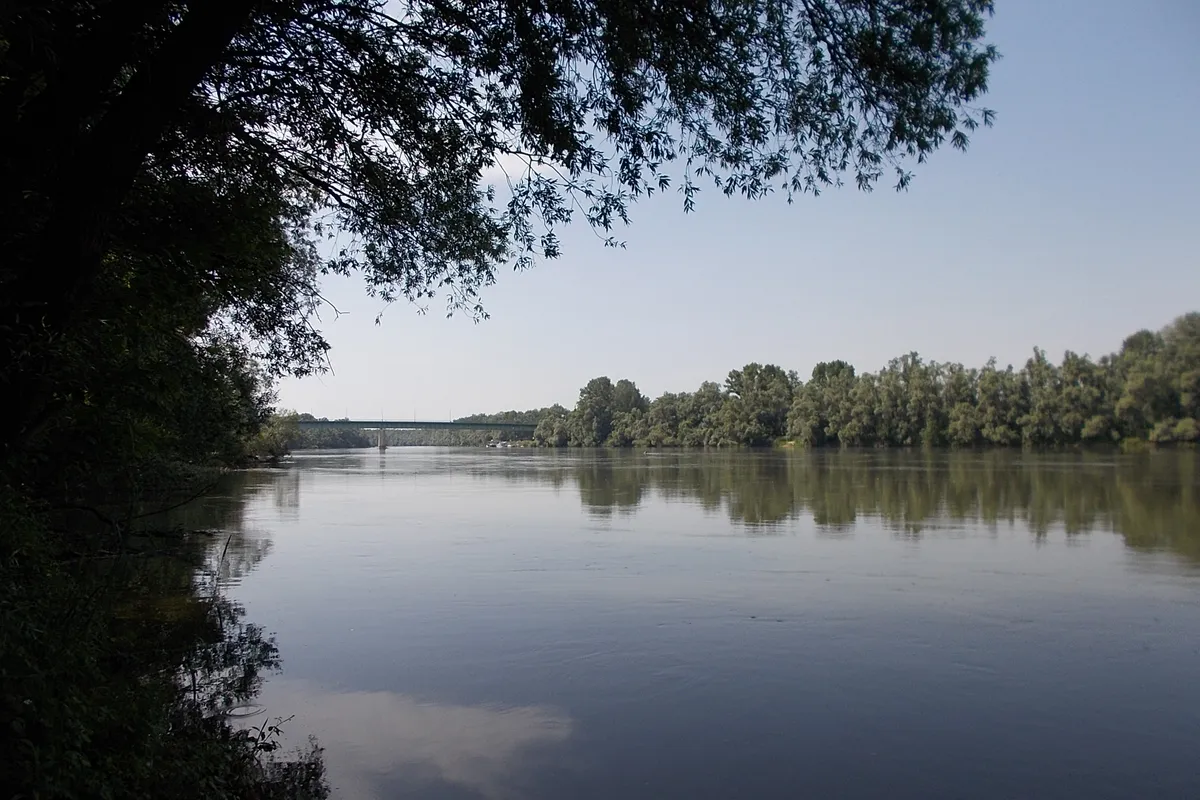
Valpovo at 39.7°C: Yesterday's Hottest Spot in Croatia, Grude Already at 35.9°C by 11 AM Today
Red heatwave alerts are in effect across Croatia, and meteorologist Dorian Ribarić reveals whether absolute records are falling and when relief is coming.
Red heatwave alerts are in effect across Croatia, and meteorologist Dorian Ribarić reveals whether absolute records are falling and when relief is coming.
The thermometer in Valpovo stopped at 39.7 degrees Celsius yesterday, the absolute maximum in the country under a powerful heatwave that simultaneously triggered red alerts from the east to the south of Croatia. The unbearable heat shows no signs of letting up today, best illustrated by the fact that Grude recorded a staggering 35.9°C as early as 11 AM.
The State Hydrometeorological Institute has issued the highest level of warning for Osijek, Zagreb, Karlovac, Gospić, Knin, Rijeka, Split, and Dubrovnik, meaning extreme heat poses a threat to the health of the entire population, not just those with chronic conditions or the elderly. This is a signal that caution must not be lacking for even a moment.
Second place on yesterday's unenviable list was shared by Zagreb and Požega with a measured 38.7°C, while Beli Manastir was hot on their heels with 38.6°C. Osijek recorded 38.3 degrees, and Karlovac and Knin rounded out the day at 37.8°C, even Gospić, usually a haven of cooler Lika air, didn't fare much better with its 36.1°C.
The Adriatic coast offered no significant escape from the heat: Rijeka burned at 36 degrees, Split at 35.7°C, and Dubrovnik, although relatively the most pleasant, stayed at a hot 35°C, still far from a temperature at which spending time outdoors would be bearable.
Thursday at 11 AM brought no respite. After Grude with 35.9°C, Knin climbed to 34.9°C, Rijeka to 34.1°C, and Osijek to a round 34°C. Zagreb was already recording 33.9 degrees at that time, Split 33.5°C, while Dubrovnik reached 32.6°C. Slightly milder values were recorded in Karlovac (31.4°C) and Gospić (29°C), and the only real refreshment came from Zavižan, a pleasant 25 degrees.
Meteorologist Dorian Ribarić explained that individual absolute daily records have not been broken, but what sets this heatwave apart is its persistence. "According to data so far, this is a record-warm end of July and beginning of August at a large number of measuring stations," Ribarić stated for Net.hr, words suggesting that it's not just the peak being recorded, but a whole series of consecutive extreme days.
A frontal disturbance approaching Croatia from the west should bring a drop in temperatures, but Ribarić emphasizes that the relief will primarily be felt on the mainland. Until then, all the usual precautions remain in effect: avoiding the sun during the hottest part of the day, staying well hydrated, and cooling indoor spaces, because today will be no more merciful than yesterday.