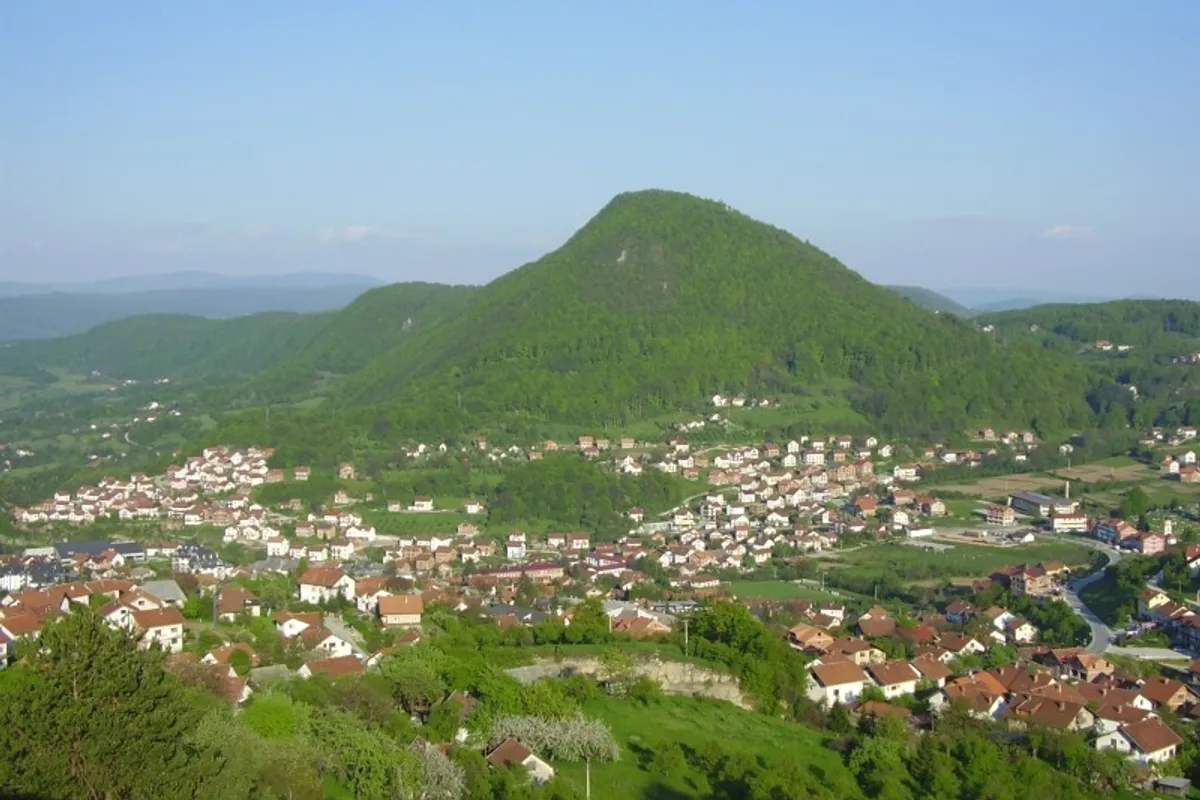
On August 4, 2026, Mrkonjić Grad marked the Day of Remembrance for all Serbs killed and expelled during the military-police operation "Storm" in August 1995. High-ranking officials, including Serbian President Aleksandar Vučić, attended the joint commemoration organized by the Republic of Serbia and the Republika Srpska entity.
According to Veritas data, more than 220,000 Serbs were expelled during Operation Storm, with around 2,000 killed or missing. The commemoration in Mrkonjić Grad takes place a day before Croatia celebrates Victory and Homeland Thanksgiving Day on August 5, symbolizing the deeply divergent memories of the same events for years.
Vučević Pays Tribute to 262 Fallen Fighters
Miloš Vučević, leader of the Serbian Progressive Party (SNS) and presidential advisor for regional affairs, visited the Memorial Room in Mrkonjić Grad. On that occasion, he paid tribute to the victims and emphasized the importance of preserving memory.
"The names of 262 fallen fighters and 20 fighters still listed as missing are engraved on the marble plaques. Every photograph, personal item, document, and military exhibit testifies to the people who embedded their greatest sacrifice into the freedom we enjoy today," Vučević wrote, as reported by Kurir.rs.
He stated that such places serve as a reminder that memory, respect, and gratitude are enduring obligations, and that the truth about the deeds of the fallen must be preserved from oblivion.
Vučić Criticizes Montenegro Over Knin Visit
Serbian President Aleksandar Vučić, who visited his birthplace in Bosnia and Herzegovina the same day, commented sharply on the announcement that a Montenegrin delegation would attend Croatia's anniversary celebration of "Storm" in Knin. According to Dnevno.hr, Vučić assessed that Montenegro's government is thereby "participating in the joy of celebrating" an event that Serbia and Republika Srpska regard as a day of mourning.
This reaction further underscores the enduring political tensions and divergent interpretations of historical events from the end of the war in the former Yugoslavia.
Legal Aftermath of "Storm" and Divergent Memories
The International Criminal Tribunal for the former Yugoslavia (ICTY), in its first-instance verdict for Croatian generals Ante Gotovina and Mladen Markač, characterized "Storm" as a joint criminal enterprise aimed at the permanent expulsion of Serbs from the then Republic of Serbian Krajina. However, the appeals chamber rejected these claims and acquitted the generals of all charges, although it was established that serious crimes against the Serb population occurred after the armed attacks, for which Croatia's state and military leadership bore no responsibility.
The International Court of Justice (ICJ) in February 2015 dismissed the mutual genocide lawsuits between Croatia and Serbia. The Court found that crimes that could constitute elements of genocide occurred during and after "Storm," but that "specific genocidal intent" was not proven.
Since 2014, the Republic of Serbia and Republika Srpska have jointly commemorated the memory of Serbs killed and expelled during Operation Storm.