Warholova bizarna genijalnost: djela u Opatiji
Izložba u Umjetničkom paviljonu 'Juraj Šporer' donosi 42 originalna djela pop arta, a rođendan kralja ovog pokreta prilika je za uron u njegove najprovokativnije stvaralačke procese.
Izložba u Umjetničkom paviljonu 'Juraj Šporer' donosi 42 originalna djela pop arta, a rođendan kralja ovog pokreta prilika je za uron u njegove najprovokativnije stvaralačke procese.
Šestog kolovoza 2026. godine, na datum kada bi Andy Warhol slavio rođendan, njegovo ime snažno odjekuje Opatijom. U Umjetničkom paviljonu "Juraj Šporer" traje postav "POP ART, Zbirka Infeld", koji prvi put na područje Kvarnera donosi ugođaj njujorške avangarde i sjaja. Među 42 originalna rada desetorice vodećih autora pokreta, Warholovi komadi plijene pozornost svojom neospornom energijom. Njegovi antologijski portreti Marilyn Monroe i Micka Jaggera, koji su prerasli u simbole masovne kulture i duboko se usjekli u kolektivno sjećanje, podsjećaju posjetitelje na razloge zbog kojih Warhol i dalje nosi titulu neprikosnovenog vladara pop arta.
Izlošci dolaze iz jedne od najbogatijih privatnih kolekcija u Austriji. Njezini začetnici, Peter Infeld i njegova majka Margaretha, počeli su je graditi sredinom šezdesetih godina, a danas obiteljsku tradiciju s jednakim žarom nastavlja Zdenka Infeld. Postav nudi pogled na blistavu fasadu Warholovog univerzuma, ali ispod te površine skriva se daleko zamršenija, neobičnija i subverzivnija stvarnost.
Dok se profinjeni sitotisci zvijezda izlažu na galerijskim zidovima, neki od Warholovih najradikalnijih uradaka nastali su na krajnje neuobičajen, gotovo skandalozan način. U razdoblju od 1977. do 1978. godine, u svom čuvenom ateljeu "The Factory", proizveo je niz apstraktnih platna službeno nazvanih "Oxidation Paintings", no javnosti daleko poznatijih kao "Piss Paintings". Sama metoda bila je upravo onakva kakvom je ime opisuje. Warhol bi velike formate premazivao bojom na bazi bakra, nakon čega bi on, njegovi pomoćnici i posjetitelji studija, nerijetko ohrabreni obilnim količinama alkohola, po njima urinirali.
Taj se čin, naizgled grub i uvredljiv, zapravo temeljio na kontroliranom kemijskom i umjetničkom eksperimentu. Mokraćna kiselina je u dodiru s metalom iz boje stvarala nepredvidljive, svjetlucave apstraktne oblike i mrlje u tonovima zelene, smeđe i zlatne. Daleko od obične provokacije, "Slike s urinom" funkcionirale su kao Warholov ciničan, no genijalan osvrt na tadašnju umjetničku klimu, osobito na apstraktni ekspresionizam i mačistički, herojski potez kistom u stilu Jacksona Pollocka. Umjetnik je tjelesnu izlučevinu, nešto odbačeno i smatrano nečistim, transformirao u instrument za kreiranje ljepote, istodobno ismijavajući ideju o uzvišenosti umjetničkog stvaranja.
Ova fascinacija nije izblijedjela ni danas. Muzej Andyja Warhola u Pittsburghu je, uz pomoć donacije, nedavno pokrenuo opsežan konzervatorski pothvat usmjeren na očuvanje tih djela. Da bi razumjeli kemijske transformacije koje su se s godinama odvile na slikama, znanstvenici i restauratori vjerno su rekonstruirali Warholov originalni proces. Nabavili su identične metalne prahove i akrilne boje koje je on koristio krajem sedamdesetih, a volonteri su, baš poput nekadašnjih gostiju Factoryja, konzumirali vitamin B kako bi pojačali oksidacijski učinak urina, koji se zatim pipetom nanosio na platna.
Warholova opsesivna potreba za dokumentiranjem i prikupljanjem nije se ograničavala samo na tjelesne tekućine. Prožimala je svaki, pa i najtrivijalniji segment njegove egzistencije, a vrhunac je dosegla u jednom od najbizarnijih arhivskih poduhvata u povijesti umjetnosti, "Vremenskim kapsulama" (Time Capsules). Od 1974. pa sve do svoje smrti 1987., Warhol je gotovo svakodnevno punio obične kartonske kutije smeđe boje stvarima koje bi mu tog dana dopale šaka. Računi, pozivnice za tulume, novinski isječci, pisma obožavatelja, jelovnici, zrakoplovne karte, pa čak i ostaci hrane, primjerice komad torte zamotan u ubrus, svi su završavali u kutiji tog mjeseca. Kad bi se kutija napunila, on bi je zatvorio, napisao datum i otpremio u skladište. Iza sebe je ostavio više od 600 takvih kapsula, monumentalan i kaotičan dnevnik vlastitog života i epohe. Unutar njih pronađeno je svega, od njegovih znamenitih perika, kojih je imao preko 40, do krajnje neobičnog nalaza, mumificiranog ljudskog stopala.
Te stotine zapečaćenih kutija danas predstavljaju ogromnu zagonetku. Sam ih je Warhol opisivao na dva kontradiktorna načina: ponekad kao skulpture koje kani prodati, a ponekad kao teret kojeg se želi riješiti, u nadi da će se zagubiti u skladištu. Ta ista dvojnost muči kustose i arhiviste u Muzeju Andyja Warhola. Kako sistematizirati i izložiti projekt koji izmiče svakoj klasifikaciji? Je li riječ o jedinstvenom umjetničkom djelu, neprocjenjivom povijesnom arhivu ili jednostavno hrpi otpada koju Warhol, kao patološki kolekcionar, nije bio u stanju odbaciti? Svaki pokušaj uvođenja reda u taj kaos, kroz sortiranje predmeta ili njihovu digitalizaciju, narušava izvornu Warholovu logiku slučajnosti i akumulacije. Zbog toga "Vremenske kapsule" i dalje figuriraju kao "problematičan projekt", termin koji koriste akademici, postumna institucionalna kritika samog muzeja i načina na koji se pokušava uhvatiti neuhvatljivi trag jednog genija.
Ovi ekscentrični projekti neodvojivi su od Warholove javne persone, koju je oblikovao s jednakom minucioznošću kao i svoja platna. Rođen kao Andrew Warhola u Pittsburghu 6. kolovoza 1928., u siromašnoj obitelji slovačkih imigranata, bio je boležljivo i introvertirano dijete. Zbog neurološke bolesti mjesecima je ostajao vezan za krevet, gdje mu je majka Julia, i sama umjetnica amaterka, donosila stripove, filmske magazine i crtaći pribor, nesvjesno mu udarivši temelje za buduću fiksaciju na slavu i popularnu kulturu.
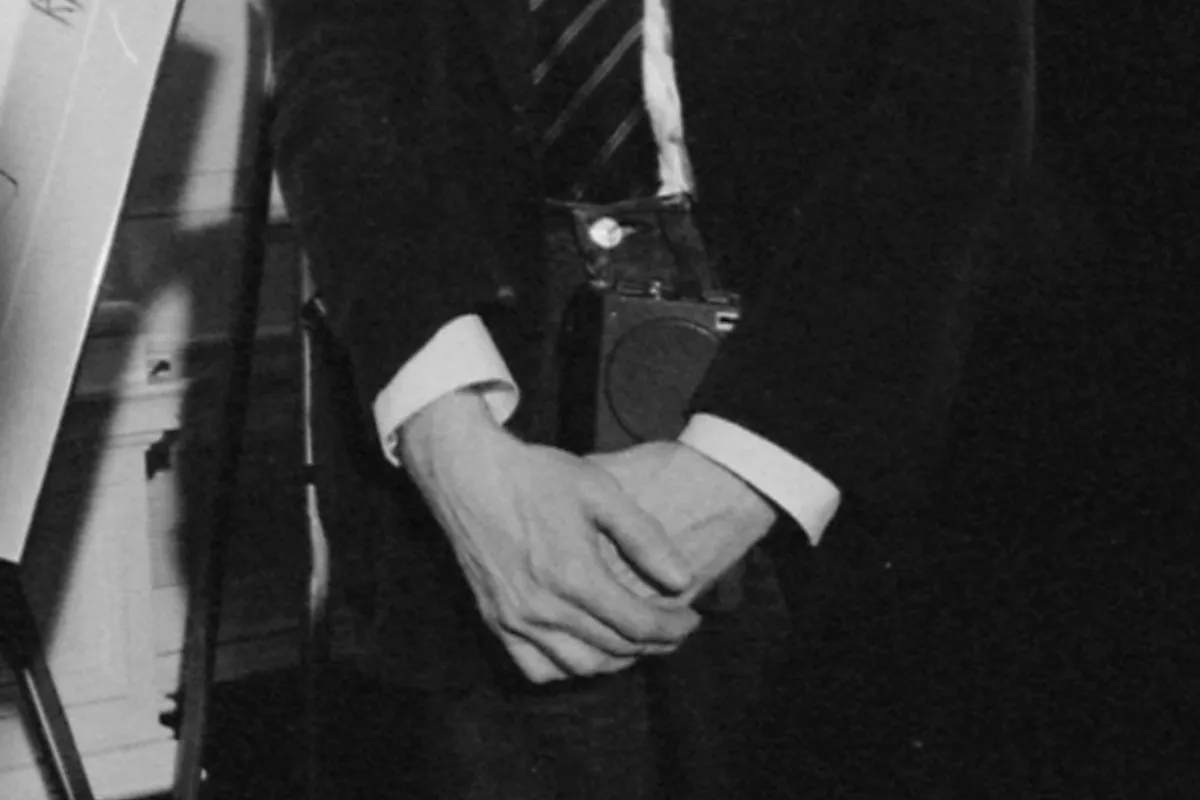
Taj dječak iz radničke četvrti s vremenom će se u New Yorku preobraziti u Andyja Warhola, blijedog, šutljivog promatrača s ikoničnom platinastom perikom. Njegov diktafon, kojeg je nazivao svojom "suprugom", neprekidno je bilježio razgovore, dok bi on sam često puštao drugima da govore umjesto njega, stvarajući tako auru misterije. Iako je tvrdio da želi biti stroj, njegovi opsesivni, duboko intimni projekti poput "Vremenskih kapsula" razotkrivaju upravo suprotno: ranjivog pojedinca preplavljenog materijalnim svijetom.
Njegov atelje, "The Factory", obložen srebrnom folijom, bio je žarište njujorške kontrakulture šezdesetih, mjesto susreta umjetnika, glazbenika, holivudskih zvijezda, drag queensa i marginalaca. Premda na glasu po raskalašenim, drogom prožetim zabavama, The Factory je istovremeno bio i prostor nevjerojatne kreativne produkcije. Warhol je ondje snimio stotine filmova, producirao kultni prvi album sastava The Velvet Underground i iznjedrio vlastitu vojsku "superzvijezda". Iza te hedonističke kulise krio se, međutim, još jedan njegov paradoks: bio je pobožni katolik bizantskog obreda, redovito je posjećivao mise, volontirao u pučkim kuhinjama i čak financirao svećenički studij svog nećaka.
Ovaj unutarnji rascjep između duhovnosti i slave, grijeha i iskupljenja, posebno se intenzivirao nakon što ga je 1968. godine radikalna feministkinja Valerie Solanas ustrijelila i zamalo ubila. To iskustvo dodatno je potaknulo njegovu preokupaciju smrću i nasiljem, motivima koji se provlače kroz serije o električnim stolicama, prometnim nesrećama i tragičnim sudbinama ikona poput Marilyn Monroe. Warhol je, u konačnici, egzistirao i stvarao na razmeđi svetog i profanog, pretvarajući najbanalnije proizvode američkog konzumerizma, kao i vlastite izlučevine, u trajne simbole umjetnosti dvadesetog stoljeća.