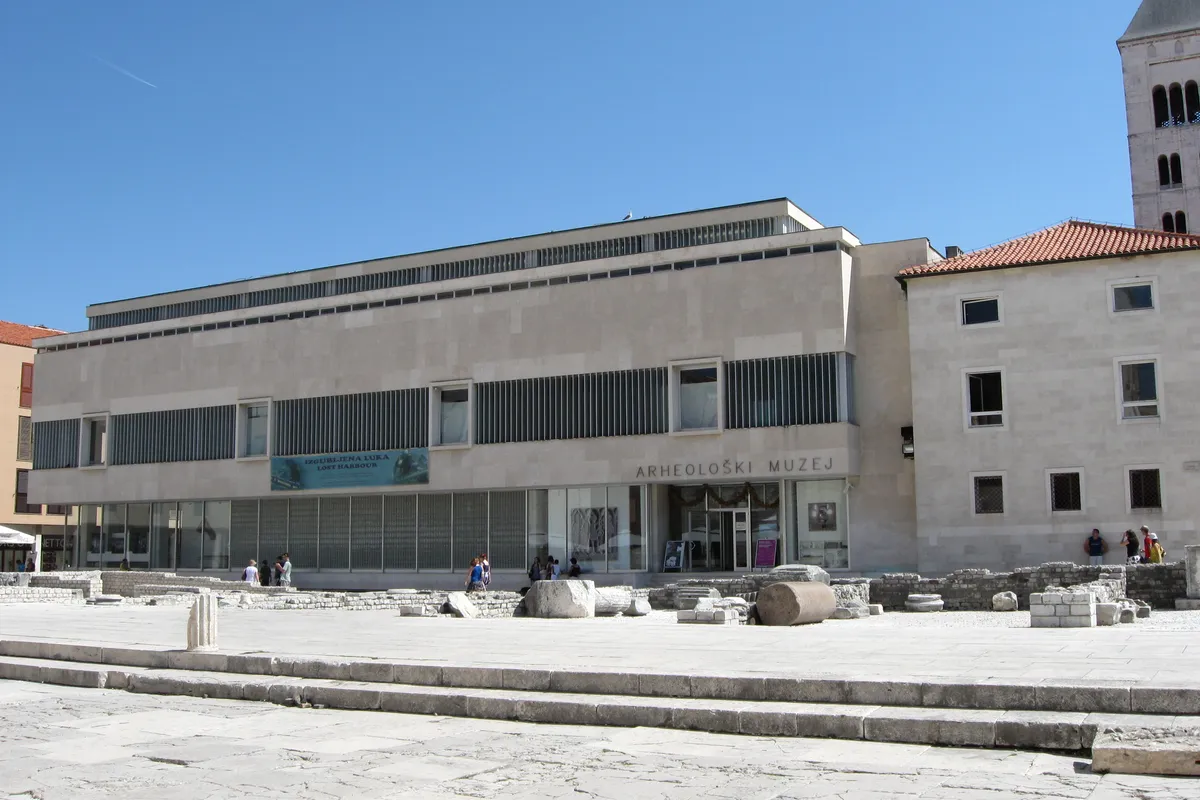
During July 2026, a team from the Archaeological Museum Zadar conducted trial excavations at the Raštele site in the village of Srb, located in Lika. The work resulted in the discovery of the remains of a structure from the ancient period, which, based on initial findings, is presumed to be a Roman villa rustica, or an agricultural estate.
Collaboration between the museum and the local community
The fieldwork was led by curator Slavko Šarčević. Alongside the institution's director, Morana Vuković, museum staff Ana Karađole, Antonio Lovrinčević, Vladimir Kusik, and Ivan Čondić actively participated in the research. They were joined by students and external associates: Tomislav Ivančić, Iris Osmančević, Patrik Galičić, and Filip Bugarski.
An important partner in the entire endeavor was the Serb National Council (SNV), whose external associate Ana Bezić Spasojević was directly involved in field activities. The collaboration between these institutions underscores a shared commitment to preserving and researching the region's rich cultural heritage.
Rich finds beneath the surface
The excavations yielded the remains of stone walls, indicating the existence of a structure of greater value and more representative purpose. Among the collected movable materials, fragments of Roman pottery, glass, and a significant number of mosaic tesserae stand out. These artifacts suggest that the site was active during the Roman period, most likely in the 1st and 2nd centuries AD.
Although precise dating will only be known after further analyses are completed, the evidence gathered so far provides strong indications of the site's nature. Definitive confirmation of the character and function of the structure is expected with the continuation of archaeological work.
New insights into Lika's antiquity
The results of this year's campaign mark a significant advance in understanding the ancient past of the Srb area. The discovery opens the door to new knowledge about the way of life and settlement of this part of Lika during Roman times, a region that remains insufficiently explored in this context.