Zelensky Approves New SBU Operations and Announces Carpathian Initiative
As Kyiv intensifies diplomatic and security efforts, Slovakia confirms suspension of military aid, with PM Fico saying weapons only prolong the war.
As Kyiv intensifies diplomatic and security efforts, Slovakia confirms suspension of military aid, with PM Fico saying weapons only prolong the war.
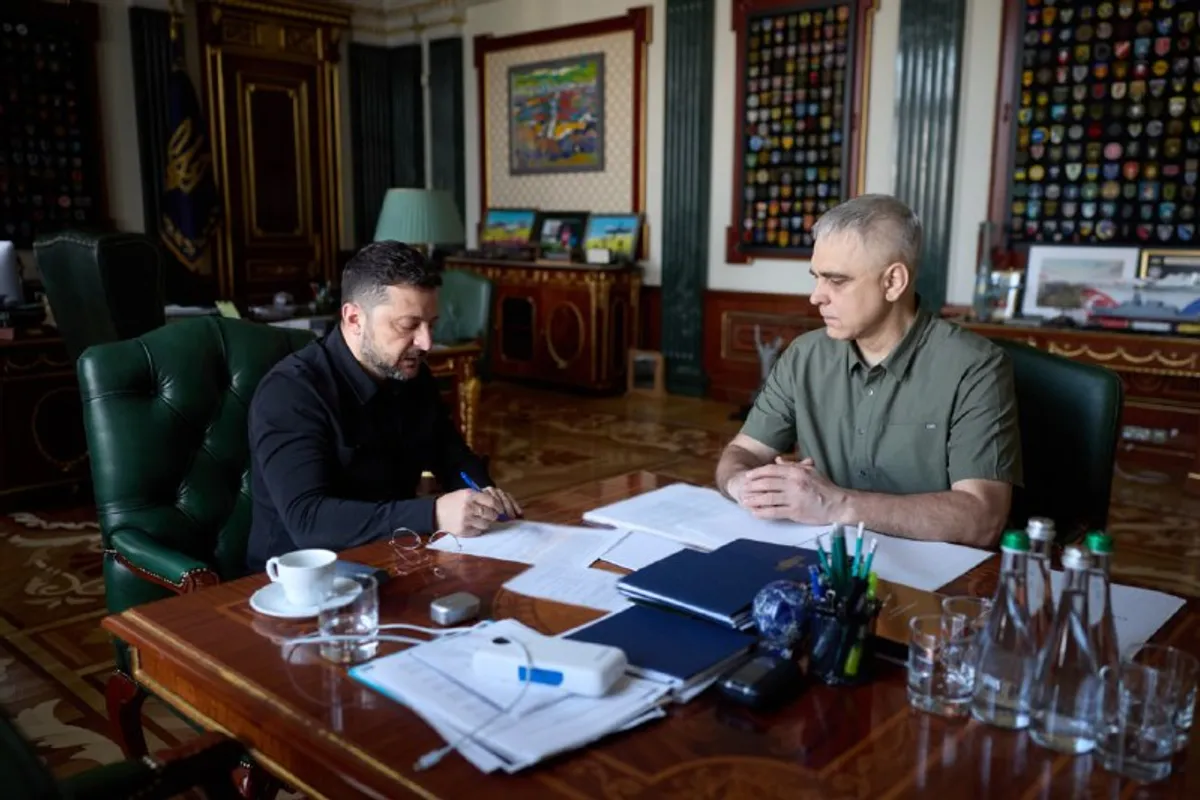
Ukrainian President Volodymyr Zelensky on Tuesday approved new operations by the Security Service of Ukraine (SBU) targeting Russian aggression. SBU chief Oleksandr Poklad reported on the service's priorities for August, and Zelensky also announced additional steps to purge the SBU's internal structure of those who, as he put it, "work for themselves, not for Ukraine."
"Today I approved new operations. Oleksandr Poklad reported on the priorities of the Security Service of Ukraine for August. I also approved further steps for the SBU chief to purge the internal structure of the Service of those who work for themselves, not for Ukraine," Zelensky wrote on his Telegram channel on August 4, 2026. The President thanked all SBU members "who genuinely protect our state and our people."
A day earlier, on August 3, Zelensky announced via Twitter the launch of the Carpathian Initiative, a new cooperation format bringing together eight countries linked by the Carpathian Mountains. The initiative includes Ukraine, Romania, Austria, Serbia, Hungary, Poland, the Czech Republic, and Slovakia, and will focus on logistics, economy, security, culture, and tourism.
"We have launched the Carpathian Initiative track. This is a new initiative. Why did this idea come about? Because not all countries are ready to strengthen us with weapons, but they want to stand with us on the humanitarian and security path and in the economic sphere. They are thinking about Ukraine's reconstruction," Zelensky said. The President presented the idea to the presidents of the European Council and the European Commission, who, according to him, received it very well. The official launch of the format is planned for autumn 2026, with exact dates still being negotiated.
On the same day, Zelensky also spoke about the first track within the Anti-Ballistic Coalition, a system called FREYJA, which is intended to become Ukraine's anti-ballistic shield open to European partners. "We have the missiles and the launcher, but we lack some components. We have brought together partner countries that have the specific elements we need," he explained.
The President also called on countries that lack production capacity but possess Patriot missiles to join the coalition. He also touched on the military technology market, mentioning companies such as Sweden's Saab, America's Lockheed Martin and Raytheon, and Italy's Leonardo. "We don't need competitors; we need those who will strengthen us and bring us closer. The Russians will do everything to inject garbage into this process and delay the unification of these leading companies," he warned.
While Kyiv intensifies diplomatic and security initiatives, Slovakia confirmed on August 4 that it will not send new military aid to Ukraine. Prime Minister Robert Fico reiterated the stance he has held since taking office in late 2023: Bratislava has halted state military aid packages and maintains exclusively civilian and humanitarian support, allowing only commercial arms sales by private companies.
According to Fico, continued deliveries of Western weapons risk prolonging the war rather than bringing a solution closer. "The way forward is peace negotiations, not military escalation," the Slovak PM believes. He also announced that the Slovak delegation will not support mandates that would involve the country in large military loans or extraordinary financial contributions to Ukraine, leaving Bratislava isolated from most European countries on the issue of military support for Kyiv.
In an address to the heads of Ukrainian diplomatic missions on August 3, Zelensky called for a thorough reform of the diplomatic service. He emphasized that Ukrainian positions and narratives must be present in podcasts, on social media, and through influencers, as well as in every traditional media outlet that still holds influence and political weight.
He placed particular emphasis on language skills. "Our diplomatic service has a traditional, long-standing weakness: when it comes to any language other than English, we face a lack of knowledge. You must deeply understand the values, holidays, and pain of the people in every country where you serve, understand their culture, and know their language," he said.
Zelensky also insisted that every ambassador must regularly visit Ukraine and understand what life on the front line means. "Every ambassador must feel what it's like when air defense launchers are empty and the Russians launch ballistic missiles," he said, calling for more careful selection and preparation of personnel to prevent the outflow of experienced professionals from the service.