County Pays 93 Euros to Everyone Who Hosts Storks on Their Roof
The Vukovar-Srijem County has been paying a gutter cleaning fee for years to encourage the preservation of the white stork, whose population in Croatia is declining.
The Vukovar-Srijem County has been paying a gutter cleaning fee for years to encourage the preservation of the white stork, whose population in Croatia is declining.
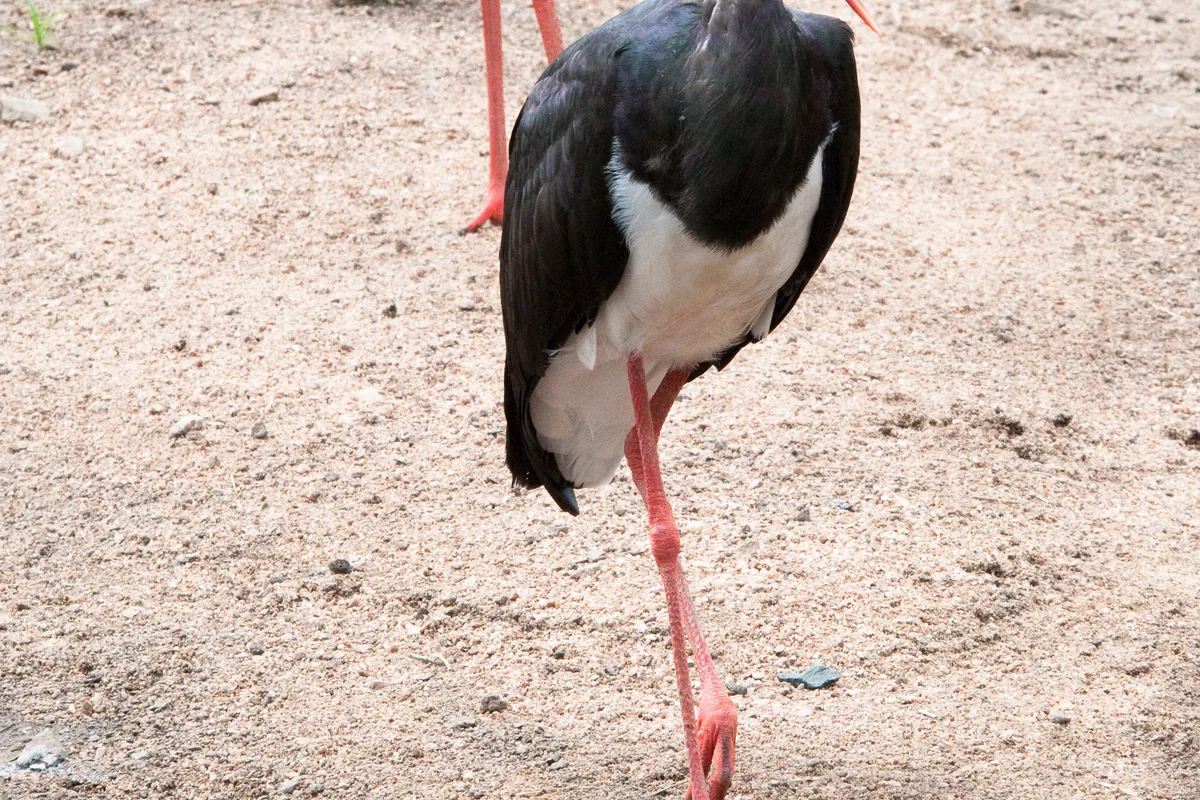
The white stork, a protected bird that has been a symbol of happiness and spring on Croatian rooftops for centuries, has seen its numbers decline in recent years. To encourage citizens to provide them with a safe nest and ease coexistence, the Vukovar-Srijem County has implemented a unique measure, it pays an annual fee to everyone who hosts storks on their chimneys.
The annual fee of 93 euros is intended for gutter cleaning and nest maintenance. Although the amount is not large, 28 individuals in the county currently receive it. "It's not a large sum; it's a symbolic amount of 93 euros per year, but it comes in handy for people," emphasizes Mario Ragaž, professional head of the Public Institution for Nature Protection of the Vukovar-Srijem County.
In the easternmost Croatian county, there are currently 250 young storks in 126 nests. One of the most famous nests is in the center of Vukovar, where storks have been tenants of the city radio for 15 years and have become a real attraction. "Vukovar has its storks in the city center; they are very interesting and have become a true city attraction. There is no reason to fear encounters with storks; they are very tame, even sociable," says HRV journalist Milan Paun.
While some villages in the east have lost all their storks, Vrbanja has just one, on the chimney of Drago Zorić. To keep them, he had to invest considerable effort. "It was a quick fix at first because there was a concrete cap on the chimney, so they couldn't build a nest. I knocked down that concrete cap on the chimney, they started bringing twigs and settled in. After that, they had a problem because the chimney was narrow, so the nest collapsed," recounts Zorić, who then installed a stable iron structure for the nest.
Mario Ragaž points out that storks born in this county travel about 15,000 km to the Republic of South Africa, where they spend the winter. On this journey, they are not as protected as in Croatia. "On that journey, most young storks perish; if we have three or four young chicks that hatched in Vukovar, next year we can expect one or none to return," explains journalist Milan Paun.
When spring arrives and people want to enjoy the natural beauties surrounding Vukovar, birds like storks have their destination to return to. In Borovo, there are as many as 20 nests waiting for them, which testifies to the successful cooperation between the local community and nature protectors.