112 Inclusive Screenings
The Ministry of Culture and Media has secured €431,000 for 39 programs, with the largest grant of €25,000 going to Rijeka's Filmaktiv for the 'Film for Everyone' project.
The Ministry of Culture and Media has secured €431,000 for 39 programs, with the largest grant of €25,000 going to Rijeka's Filmaktiv for the 'Film for Everyone' project.
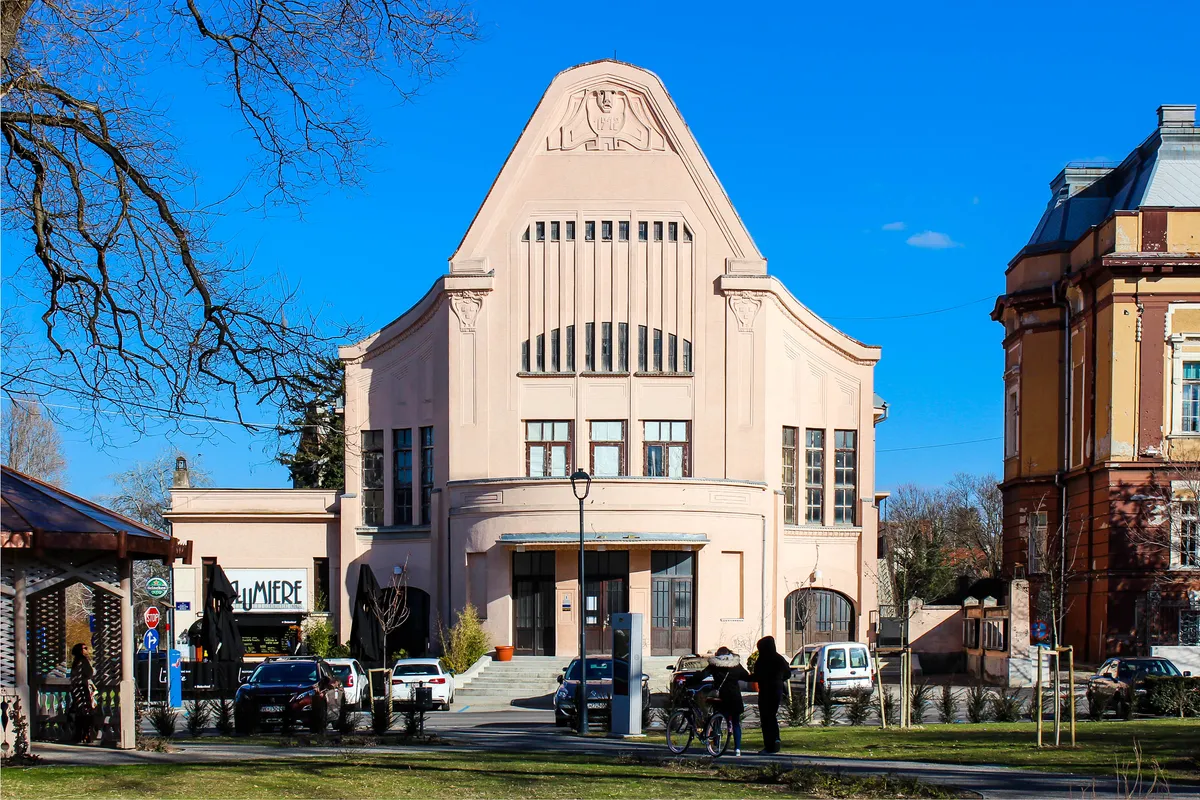
When a full cinema of deaf and blind people sits down, many of whom are watching a film on the big screen for the first time, it's clear that inclusive programs are not just a socially responsible practice but also a powerful tool for creating new audiences. This is exactly what the 'Film for Everyone' project by Rijeka's Filmaktiv association demonstrates, which saw an explosive growth in the number of screenings across Croatia in the first half of 2026.
The Ministry of Culture and Media has recognized the value of such initiatives and has secured €431,000 for 39 programs that make culture more accessible to people with disabilities and children and youth with developmental difficulties. The most generous support, amounting to €25,000, went to Filmaktiv for the continued development of their now well-known program.
The numbers best illustrate the momentum that 'Film for Everyone' has gained. Throughout last year, 46 screenings were held, while by mid-this year, that number had reached 112. "Every year I say it's the biggest one yet, because every year we push the boundary further," said Maja Ogrizović from Filmaktiv, recalling the humble beginnings when they literally made one film at their own expense.
Today, the situation is quite different. The program is present at numerous festivals and cinemas across the country. Ogrizović particularly highlights Kino Edison in Karlovac, where inclusive screenings are held every month, and also mentions Kino Vali, Split's Zlatna vrata, Arsen in Šibenik, Kinoteka, and Kino Gaj in Varaždin as cinemas developing such practices.
Although the amount of the grant is important, Ogrizović emphasizes the validation that such support brings. "I don't think, 'Oh, now we're the best.' We wouldn't be here if it weren't for those before us who laid the foundations for such a public call to even exist. Sometimes you feel like no one sees or understands what's happening, and then you get such a green light and you know, who cares, you worked six months without a day off, it doesn't matter, it paid off," she said.
Her vision is clear and ambitious: "My idea is for inclusive film to become a general social norm. Nothing special." She believes that inclusive programs also change institutions themselves, encouraging them to think about accessibility on multiple levels, from the program itself to ticket prices.
The project doesn't stop at traditional cinema halls. At the end of August 2026, a screening is planned in Umag as part of the Filmski vrt (Film Garden), organized by the Association of the Deaf and Hard of Hearing, which the organizers have described as the first pop-up inclusive cinema in Croatia.
Ogrizović points out that such events also create entirely new audiences, opening the doors of culture to those who have been excluded from it. "When you realize that a whole cinema is full of deaf and blind people, as Kino Edison does every month, it's not hard to believe that life really can be better, easier, and more enjoyable for everyone," she concluded.